

Geothermal energy has been around since earth’s creation and exists almost everywhere, yet harnessing its full potential has proven difficult since viable sources are often difficult to find.
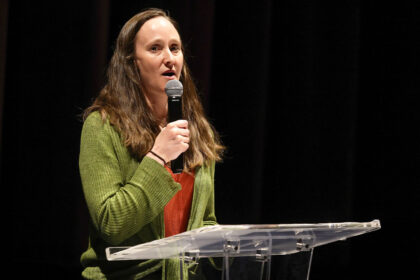
“The U.S. has a lot of it, and most of it in the U.S. is untapped. It’s a tremendous sort of resource base that’s waiting for us to go after it,” Zanskar co-founder Joel Edwards said.
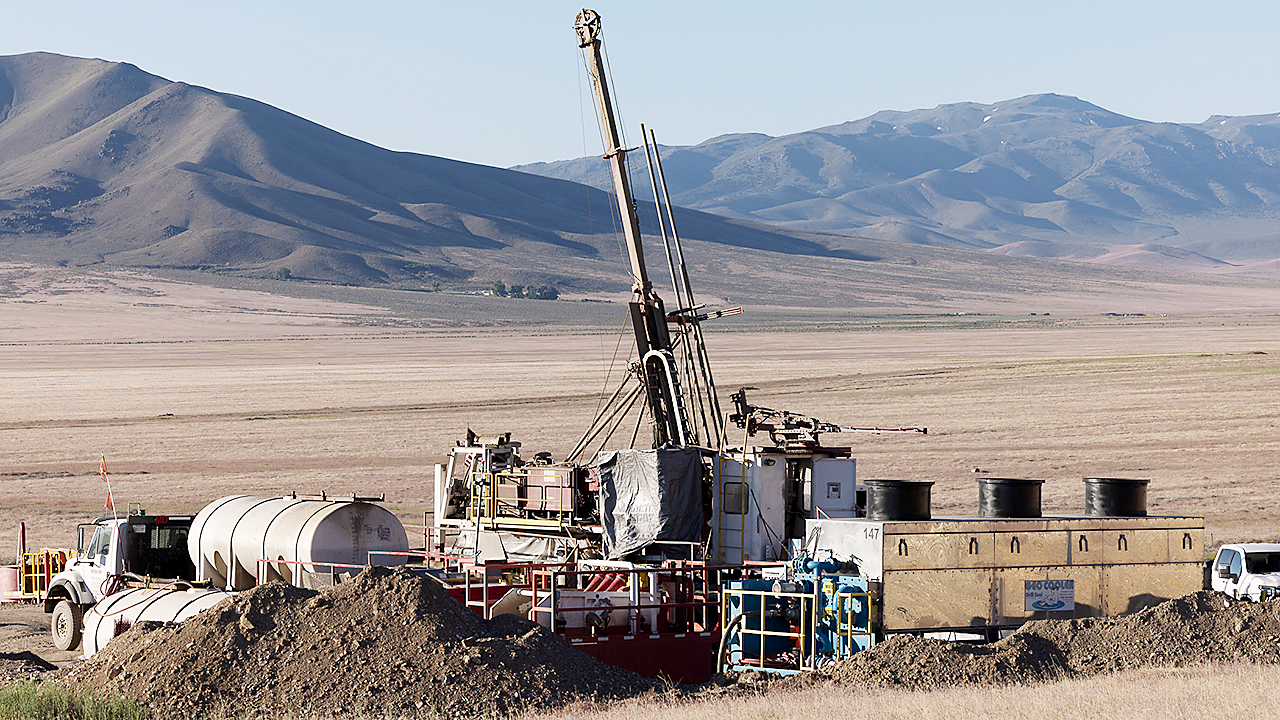
Geothermal energy is generated by the Earth’s formation and ongoing radioactive decay. It is stored beneath the surface and accessed by drilling thousands of feet underground.
“The great thing about geothermal energy is there’s heat underground everywhere. The deeper you go into the earth, the hotter it gets. But there are some parts, certain regions, that just have hotter rocks,” Edwards said.
ARTIFICIAL INTELLIGENCE HELPS FUEL NEW ENERGY SOURCES
Geothermal energy makes its way to the Earth’s surface through volcanoes, hot springs and geysers. It has been otherwise difficult to detect above ground until now.
“We have made more discoveries in three years than the industry found in 30,” Edwards said.
Zanskar, a geothermal company, is making the search for hot sources more accurate. The company has built artificial intelligence models that are able to detect geothermal resources and target them with deeper drilling.
AMERICA MUST POWER AI WITH SPEED AND DISCIPLINE — OR CHINA WILL DOMINATE
“We have found dozens of sites, and they were either overlooked or they were just in areas where nobody had ever looked,” Edwards said. “Once we find these systems, we’re having much more success drilling into them because those models are better at sort of simulating all the possible orientations of a geothermal system.”
Historically, geothermal production has carried risks of drilling into inefficient wells. There are safety risks in geothermal production and environmental concerns over air and water pollution. The uncertainty has caused delays in permitting and operational challenges.
“What happens is you drill moderately productive wells, marginal wells, or you drill unproductive wells. All of those failures, they get rolled up into the total cost of a project, and that drives the cost of the project up,” Edwards said.
NUCLEAR FUSION ADVANCES, BUT CHALLENGES REMAIN FOR POWER GRID
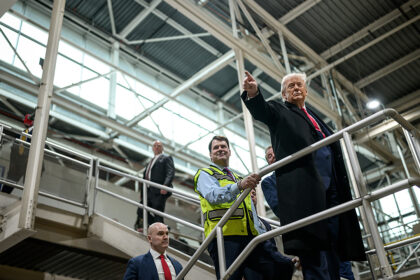
The best geothermal resources in the U.S. are located in the west, where much of the land is owned by the federal government. The Interior Department has implemented emergency permitting procedures to accelerate reviews of geothermal projects as part of President Trump’s energy agenda.
“It takes typically like three to six, three to seven years to get these projects permitted. Luckily, in the last few years, there’s been an urgency to cut red tape,” Edwards said. “And that’s already having a material benefit for some of these earlier stage projects.”
Artificial intelligence could also help streamline the regulatory process.
TRUMP SAYS EVERY AI PLANT BEING BUILT IN US WILL BE SELF-SUSTAINING WITH THEIR OWN ELECTRICITY
“What we have to do is work with our federal, state and local partners to drive those solutions that you’re talking about. We cannot think of this technology as it’s happening to us. We have to partner and utilize it just like everyone else,” Exelon CEO Calvin Butler said. “AI should help us all become more efficient at what we do and get better at.”
The geothermal industry has similar challenges and risks as oil and gas. The Society of Petroleum Engineers began promoting the use of AI as early as 2009. It has helped improve exploration, drilling and development. Studies show some of the same techniques could help geothermal production.
“It sort of feels like where oil and gas was maybe 100-plus years ago,” Edwards said. “We didn’t know how much of it was out there and so forth. That’s what geothermal feels like.
“Like, it just feels like we’ve barely explored for it. We’ve got a little bit of it going right now. We kind of understand it. But now the market is out there, and the market’s like, ‘We want this stuff.’”
As artificial intelligence helps fast-track new resources, there are still concerns over its immediate effect on the electric grid.
“It’s a challenge, but it’s a huge opportunity. And that is what we are most excited about, the opportunity to be part of this journey, this next wave of the energy transformation, because we can’t just look at it as a challenge and say, ‘We don’t know what to do,'” Butler said.
“We’re partnering with our technology partners and saying, ‘What can we do to make this a win-win for everyone?’”