



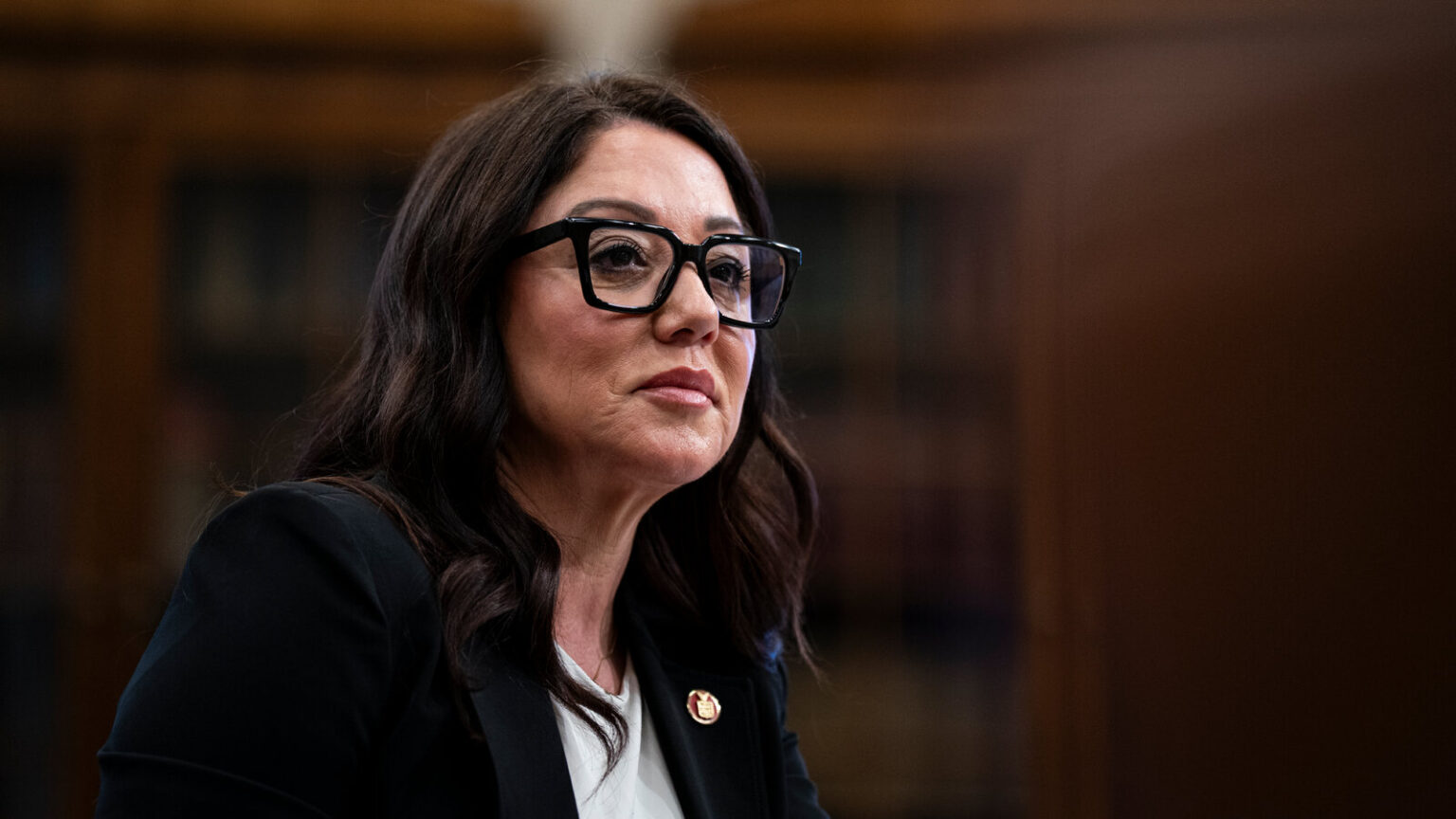
A sudden leadership change at the U.S. Department of Labor adds to mounting instability within the administration, as Labor Secretary Lori Chavez-DeRemer departs amid controversy and political recalibration, a shift that YourDailyAnalysis frames as part of a broader pre-election restructuring strategy. Deputy Secretary Keith Sonderling is set to assume the role on an acting basis, ensuring continuity while the administration reassesses its personnel lineup.
The departure follows an inspector general investigation into allegations ranging from misuse of official travel to inappropriate conduct involving staff. While the department has formally denied the accusations, the controversy has placed sustained pressure on the administration, particularly as it seeks to stabilize its public image ahead of midterm elections. Initial backing from senior officials gave way to a more pragmatic response, suggesting that reputational risk – rather than legal outcome – drove the timing of the exit. This development unfolds against a backdrop of increasing cabinet turnover after a relatively stable first year of the president’s second term. Recent removals across key departments indicate a shift toward tighter political alignment and message discipline. YourDailyAnalysis emphasizes how such reshuffles often reflect internal prioritization of electoral positioning over policy continuity, especially when approval ratings face downward pressure.
Chavez-DeRemer’s tenure carried a distinct ideological nuance within the administration. As a Republican with openness toward organized labor, her position represented an attempt to bridge traditionally opposing constituencies. Her departure therefore removes a figure who symbolized a more flexible approach to labor relations, potentially narrowing the administration’s strategic outreach to working-class voters. YourDailyAnalysis underscores that this recalibration could reshape the administration’s engagement with labor groups at a critical political juncture. Policy outcomes during her term further complicate the narrative. The facilitation of private market access to retirement funds marked a significant regulatory shift, enabling alternative asset managers to expand into the vast 401(k) ecosystem. While this move aligned with broader financial sector interests, it also introduced new debates around risk exposure and fiduciary responsibility, particularly for retail investors with limited experience in complex asset classes.
Operational challenges within the Department of Labor added to the strain. Disruptions at the Bureau of Labor Statistics, including leadership changes and interruptions to data publication, have raised concerns about the reliability and consistency of economic indicators. These issues carry implications beyond administrative performance, as labor data plays a central role in shaping both market expectations and policy decisions. The convergence of political pressure, regulatory shifts, and institutional instability defines the significance of this exit. Your Daily Analysis positions the event not as an isolated personnel change but as a signal of deeper strategic adjustments within the administration, where control over narrative, policy direction, and institutional credibility becomes increasingly intertwined as electoral stakes intensify.