


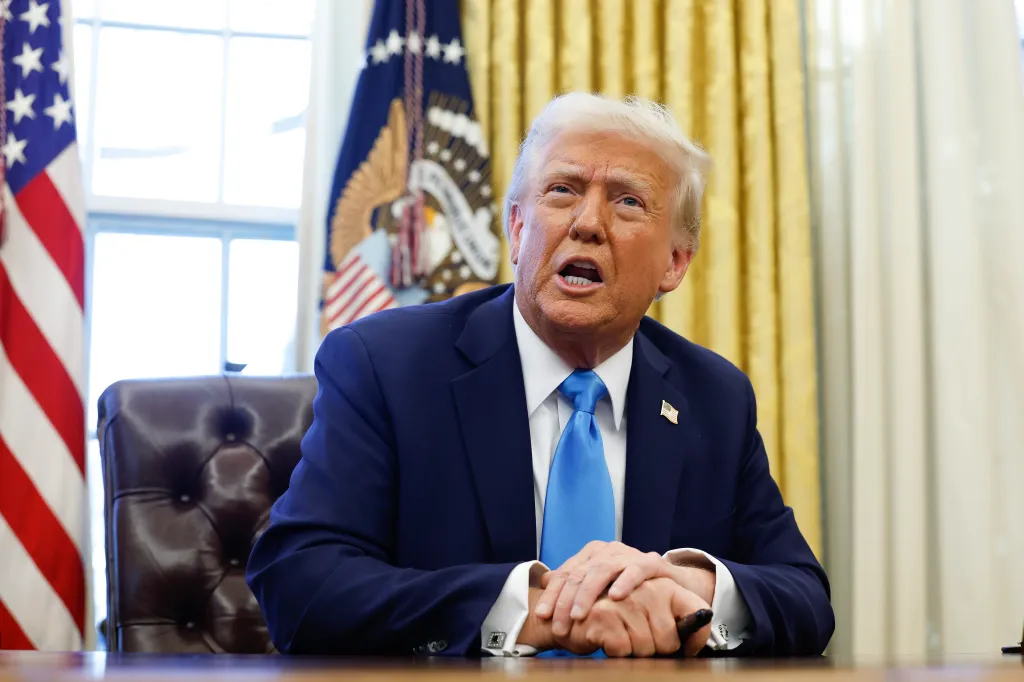
Donald Trump’s renewed threats toward Iran returned geopolitical risk to the center of financial thinking just as investors had begun treating the Middle East as a contained variable rather than an active source of disruption. Oil prices reacted immediately, but the more significant shift occurred in expectations. YourDailyAnalysis views the latest rhetoric as a reminder that markets can price stability for weeks and then revalue strategic risk in a matter of hours.
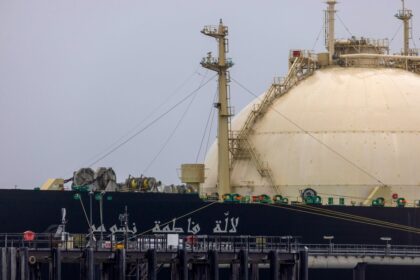
The language matters because energy markets remain unusually sensitive after months of military tension and fragile diplomatic signaling. Even without a direct escalation, the possibility of attacks on infrastructure or shipping routes near the Strait of Hormuz forces traders to assign a higher premium to crude. That premium reaches far beyond commodity desks. It filters into transportation costs, inflation forecasts and central bank assumptions with a speed that policymakers rarely welcome.
Iran occupies a disproportionately important position in the global economic architecture. A substantial share of the world’s seaborne oil passes through waters where any military confrontation could disrupt flows or sharply increase insurance costs. Import-dependent economies in Europe and Asia would absorb the consequences first, particularly at a time when industrial activity is only beginning to stabilize after a prolonged period of weak demand.
Financial markets tend to distinguish between political rhetoric and operational risk, yet that distinction narrows when the speaker has both historical precedent and electoral incentives to project toughness. YourDailyAnalysis has repeatedly observed that traders become less focused on whether threats are executed and more concerned with the probability that one miscalculation triggers a chain reaction. Once that probability rises, portfolio positioning changes almost instinctively.
The timing adds another layer of complexity. Inflation in several major economies remains above the comfort zone of central banks, and any durable increase in oil prices would complicate plans to loosen monetary policy. Bond markets, which had started to anticipate a gentler rate environment, could quickly reassess if energy costs begin feeding into headline and core price measures. A geopolitical event thousands of miles away would then alter borrowing conditions for households and businesses across developed markets.
Defense stocks and traditional safe havens often benefit during such episodes, but the broader economic effect tends to be more uneven. Higher fuel costs compress margins in manufacturing and logistics while weakening consumer purchasing power. Your Daily Analysis interprets this pattern as one of delayed transmission rather than instant shock – the initial market reaction is dramatic, yet the real economic burden emerges gradually through countless corporate and household decisions.
Washington’s rhetoric also intersects with domestic politics. Foreign policy statements increasingly function as signals to voters, allies and adversaries simultaneously, which makes them harder for markets to decode. The uncertainty does not stem solely from military intent. It arises from the recognition that strategic messaging itself can reshape expectations and influence behavior before any physical event occurs.
Trump’s warning therefore carries weight beyond the immediate headlines. YourDailyAnalysis argues that the most consequential development may be the restoration of geopolitical volatility as a permanent pricing factor rather than a temporary disturbance. When energy security, inflation and political signaling begin reinforcing one another, markets stop reacting to isolated events and start trading a world where instability becomes part of the baseline.