


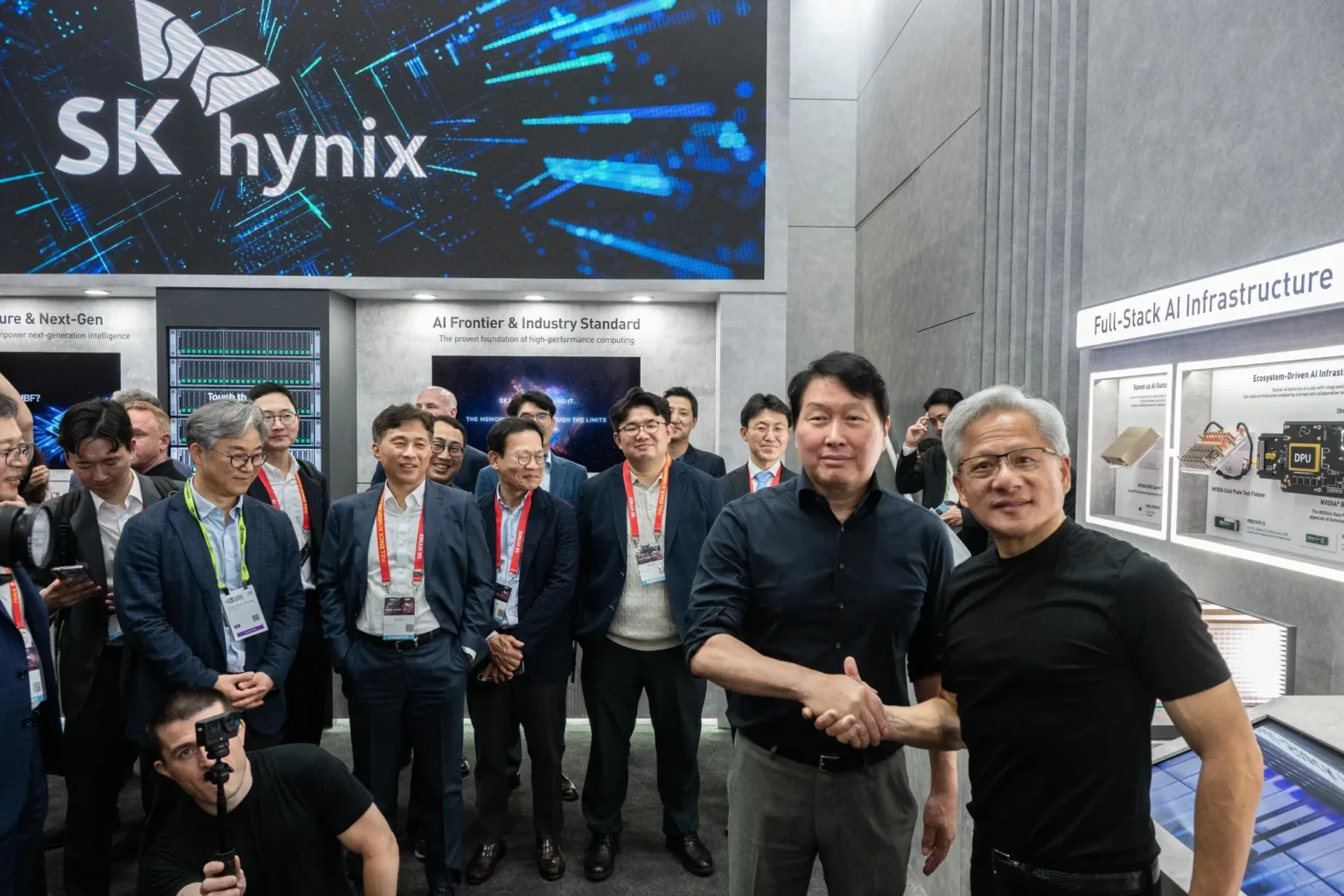
A leveraged exchange-traded fund tracking SK Hynix deviated sharply from the underlying stock’s move for a second consecutive day, jumping roughly 50% even as SK Hynix itself fell. That kind of structural misfire – where the leveraged product delivers a dramatically different return than the instrument it is designed to amplify – is the outcome that regulatory disclosures warn about in fine print. The warning has now materialized. YourDailyAnalysis catches this as the week’s most concrete illustration of the structural fragility inside the Korean retail investment boom.
The backdrop is extreme. South Korea’s KOSPI fell more than 8% on Monday, closing at 7,484. The VKOSPI fear index ran above 70. The selloff reflected three simultaneous pressures: the U.S. May payrolls beat raising Federal Reserve rate hike expectations, the looming SpaceX IPO pulling capital from existing AI and tech positions, and renewed Iran-Israel missile exchanges adding geopolitical risk premium. For South Korea, the energy exposure amplified the move because the country imports virtually all of its oil.
The leveraged ETF misfire is not a random technical accident. It is the output of a market structure where 87% of all individual retail net buying on the KOSPI has concentrated into just two names: Samsung Electronics and SK Hynix. When those names move violently, the leveraged products tracking them face acute rebalancing pressure that causes deviation from underlying performance. YourDailyAnalysis surfaces the concentration data as the key context: the misfire is a symptom of how narrow the Korean retail AI trade has become.
Korean retail investors poured into AI and semiconductor names throughout the first half of 2026. Samsung Electronics crossed $1.56 trillion in global market cap. SK Hynix surged on high-bandwidth memory demand. The KOSPI hit 8,801 at its peak. Korea Investment Management and other asset managers raced to acquire SpaceX IPO allocations for their ETF portfolios. The leverage embedded in those products was never a problem until the direction changed.
Korea’s futures ETF market had reached 6.28 trillion won before the Monday session, but 69% of products within it were trading below the viability threshold. Two products faced delisting this month. Half of all KOSPI and KOSDAQ IPOs in 2026 were already trading below their offering price before Monday, reflecting the concentration dynamic where retail flows went into AI and semiconductor names while everything else stagnated. The analysts at YourDailyAnalysis point to this pre-stress data as evidence that Monday’s misfire did not arrive without warning.
The SpaceX IPO overhang mechanism is clear. A single listing at a $1.75 trillion valuation requires a large pool of investor capital. Korean retail investors positioned ahead of the listing by selling existing positions to raise cash. Those positions were disproportionately SK Hynix and Samsung. The selling pressure hit an already-fragile market structure at the same moment macro headwinds from payrolls and Middle East escalation arrived.
A 3x leveraged ETF that falls 50% in five trading days has created a situation where the underlying needs to rise more than 100% from the trough just to return the product to its pre-drawdown level. That asymmetry is intrinsic to daily-rebalancing leveraged products and a structural reason they are poorly suited to anything except very short-term directional bets. The editors at YourDailyAnalysis identify the retail concentration in these products as a financial stability concern the Korean Financial Services Commission will likely revisit after the current volatility cycle completes.
U.S. CPI data due Tuesday will provide the next directional input. If inflation comes in below expectations, the Fed rate hike narrative softens and Korean tech names can recover. If CPI surprises to the upside, the macro headwind extends through the week. Oracle earnings will provide a secondary signal on AI capex momentum, which matters directly for SK Hynix’s order book.
The Korean market situation illustrates what happens when retail leverage concentrates in a narrow sector during exceptional performance. The run-up looks inevitable in hindsight. The unwind looks excessive. Your Daily Analysis ends on the question the Korean Financial Services Commission will face: whether the leverage products enabled wealth creation for retail investors, or whether they transferred volatility from institutions to households at the worst possible time.