

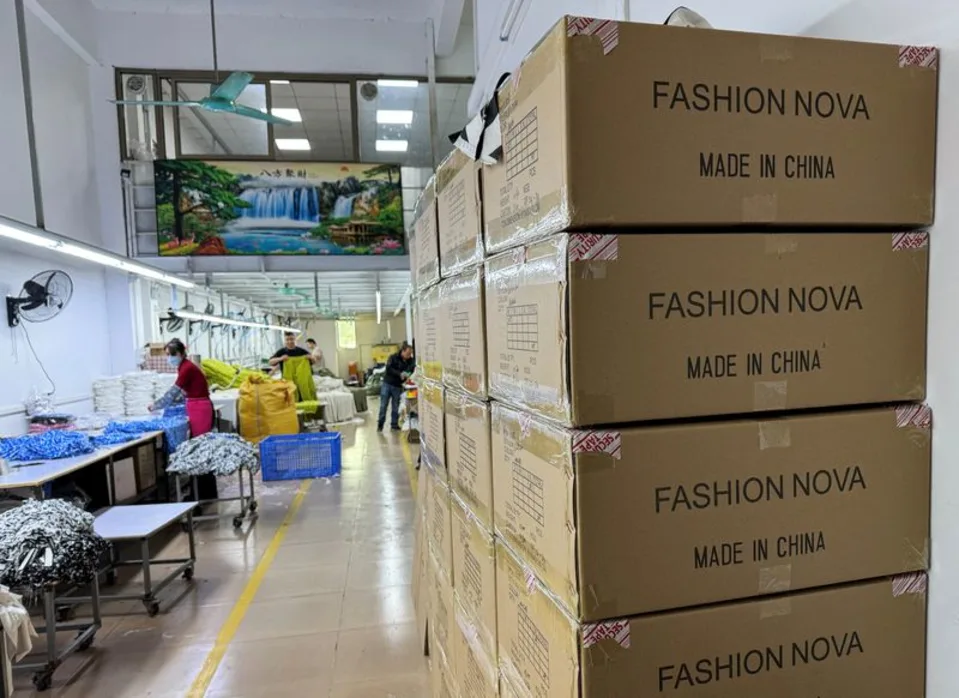
U.S. retailers have moved orders from China forward by four-to-six weeks to lock in inventory for Black Friday and Christmas before an expected round of tariff increases later this year, according to shipping executives interviewed by Reuters. Tony Meng, a China-based senior sales manager at shipping firm XPD Global, summarised the logic directly: there is an expectation that tariffs could be raised again, or restored to previous levels, so everyone is rushing to get goods in before that happens. The frontloading is real enough to show up in trade statistics months ahead of schedule – orders that typically peak in July through September are instead landing in May and June.
Start with the numbers. U.S. imports from China grew 35% in May, overshadowing April’s 11% growth and March’s outright contraction. YourDailyAnalysis traces the acceleration directly to the policy calendar: a universal 10% U.S. tariff imposed in February, after the Supreme Court struck down some earlier tariff authority, expires on July 24 and is widely expected to be replaced with higher rates. Layered on top is a proposed 12.5% tariff on imports from China and elsewhere tied to a forced-labour investigation that Beijing denies, with a final U.S. decision expected in coming months. Two separate tariff triggers, both converging on the same window, give importers every reason to pull shipments forward rather than risk landing goods after either change takes effect.
Position this against the broader detente narrative. President Trump’s visit to China last month preserved a degree of calm between the two largest economies, but the shipping data tells a more complicated story than diplomatic photo opportunities suggest. Container space on the China-U.S. route has been tightening since mid-May due to stronger customer demand and earlier seasonal bookings, according to a statement from shipping group Maersk. Spot rates from Shanghai to New York hit $7,149 per 40-foot container on June 25 – up 6% on the week and 25% over the year. The Shanghai-to-Los Angeles route reached $5,750, up 12% weekly and 54% annually. YourDailyAnalysis identifies the magnitude of that annual increase as the clearest signal that frontloading, not steady-state demand growth, is driving the rate spike.
A China-based shipping executive, speaking on condition of anonymity, described the order mix behind the surge: back-to-school items like stationery and apparel moved alongside early Christmas stockpiling in the May-June window, with World Cup-related merchandise – jerseys, flags, souvenirs, large-screen televisions – adding extra volume given the United States co-hosts the tournament with Canada and Mexico this year. That is an unusually compressed convergence of seasonal demand cycles landing in the same two-month window, which helps explain why volumes exceeded what shipping firms had originally projected for the period.
There is a counter-argument worth taking seriously, and analysts find it inside the shipping industry itself. Kyle Henderson, CEO and co-founder of container-tracking software provider Vizion, cautioned that tariffs still weigh on overall U.S. demand, which remains below its three-year average and should only be described as normal-to-soft. He attributed the higher shipping costs more to capacity management by transport firms – including some cancelled sailings in recent weeks – than to genuinely surging American consumer demand. Your Daily Analysis weighs Henderson’s reading as the more durable signal: frontloading inflates near-term volume and cost figures without necessarily reflecting underlying consumer strength, which means the current import surge is a timing artifact rather than a demand story.
Henderson expects volumes to drop after July into the third quarter, driven by a combination of inventory already landed and a tariff environment that structurally raises the cost of China-origin goods going forward. Outdoor furniture maker Jin Chaofeng, one of the Chinese manufacturers caught in the squeeze, said it would be hard to pass the entire shipping cost increase on to customers, citing thin pricing power for less technologically advanced manufacturing sectors. The operational read for anyone tracking retail input costs: watch the July 24 tariff decision and the June trade data release on July 14 together, since the second figure will show whether frontloading already peaked or is still accelerating into the deadline.