


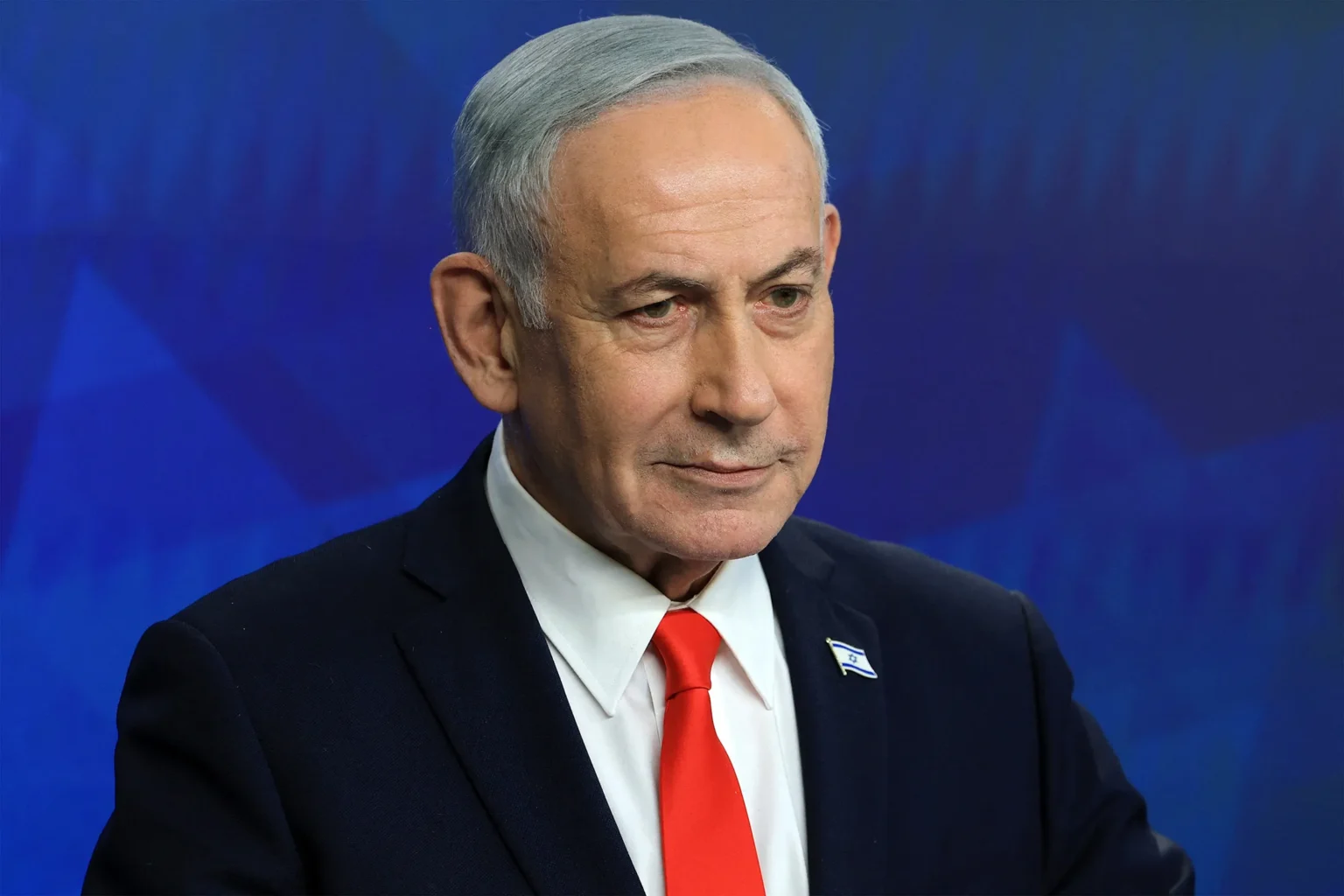
Israeli Prime Minister Benjamin Netanyahu said he and President Donald Trump agreed to meet in the U.S. in the near future, according to a social-media post Saturday from the prime minister’s office. The two spoke by phone Friday, with Netanyahu congratulating Trump on the commemoration of the 250th anniversary of the signing of the Declaration of Independence. Israeli officials indicated Netanyahu asked for a White House meeting as soon as next week, after Trump returns from the NATO summit in Turkey, with one official suggesting the visit could slip a week later. YourDailyAnalysis starts with the sequencing rather than the diplomatic pleasantries: Netanyahu is deliberately timing this request around Trump’s NATO travel, which suggests urgency on the Israeli side rather than a routine, calendar-driven check-in.
The context that gives this meeting weight is what has happened since the two leaders last met in person. In February, Netanyahu presented a plan in the Situation Room for a joint strike against Iran, according to an April report citing people familiar with the discussions. Since then, the two leaders have diverged on how to end the conflict that began February 28. YourDailyAnalysis reads that divergence as the real subtext of this meeting request: a request for a near-term, in-person sit-down after a documented policy split is a very different signal than a routine bilateral check-in would be.
The framing of the initial phone call also reveals something about tone. The publicly disclosed content of Friday’s call was limited to a diplomatic courtesy – congratulations on a U.S. anniversary commemoration – rather than any substantive detail about what prompted the meeting request. YourDailyAnalysis notes that this gap between the disclosed pleasantries and the undisclosed substance is typical for sensitive diplomatic exchanges, but it also means the actual agenda for the Washington meeting remains unconfirmed beyond the general subject of the conflict’s endgame.
The timing relative to Trump’s travel schedule adds a layer of logistical constraint on top of the political one. Requesting a meeting for as soon as next week, immediately after a NATO summit, compresses the available scheduling window considerably, which is consistent with the Israeli side treating this as time-sensitive rather than deferrable. Whether the meeting happens next week or slips further, as an Israeli official indicated it might, will itself be a signal of how much flexibility either side is willing to show.
This meeting request fits into a wider pattern of U.S.-Israel coordination on the conflict that began February 28. High-profile disagreements between close allies rarely stay contained to a single phone call or a single meeting; they tend to play out across a series of engagements, with each side testing how much the other has moved before committing to a joint position publicly. A near-term, in-person meeting immediately following Trump’s NATO travel suggests Netanyahu wants to resolve, or at least narrow, the gap in approach before it hardens into a more visible public rift – the kind that becomes harder to walk back once it’s been aired through statements from either government rather than settled privately.
Watch whether the meeting takes place on the compressed next-week timeline Netanyahu requested or slips to the following week as an Israeli official indicated it might, and whether any public readout addresses the specific points of disagreement over ending the February 28 conflict rather than staying at the level of general diplomatic language. Your Daily Analysis treats the scheduling outcome itself as an early read on how much common ground the two sides have actually found since February, independent of whatever official statement follows the meeting.