


The American service sector has entered a new phase of labor turbulence, and Starbucks has once again become one of its loudest epicenters. Amid inflation, uneven consumer spending and a national resurgence of union activism, the company is confronting a strike wave that can no longer be dismissed as an isolated flare-up. As we at YourDailyAnalysis observe, the current standoff reflects broader changes in how US corporations are being forced to renegotiate their social contract with frontline workers.
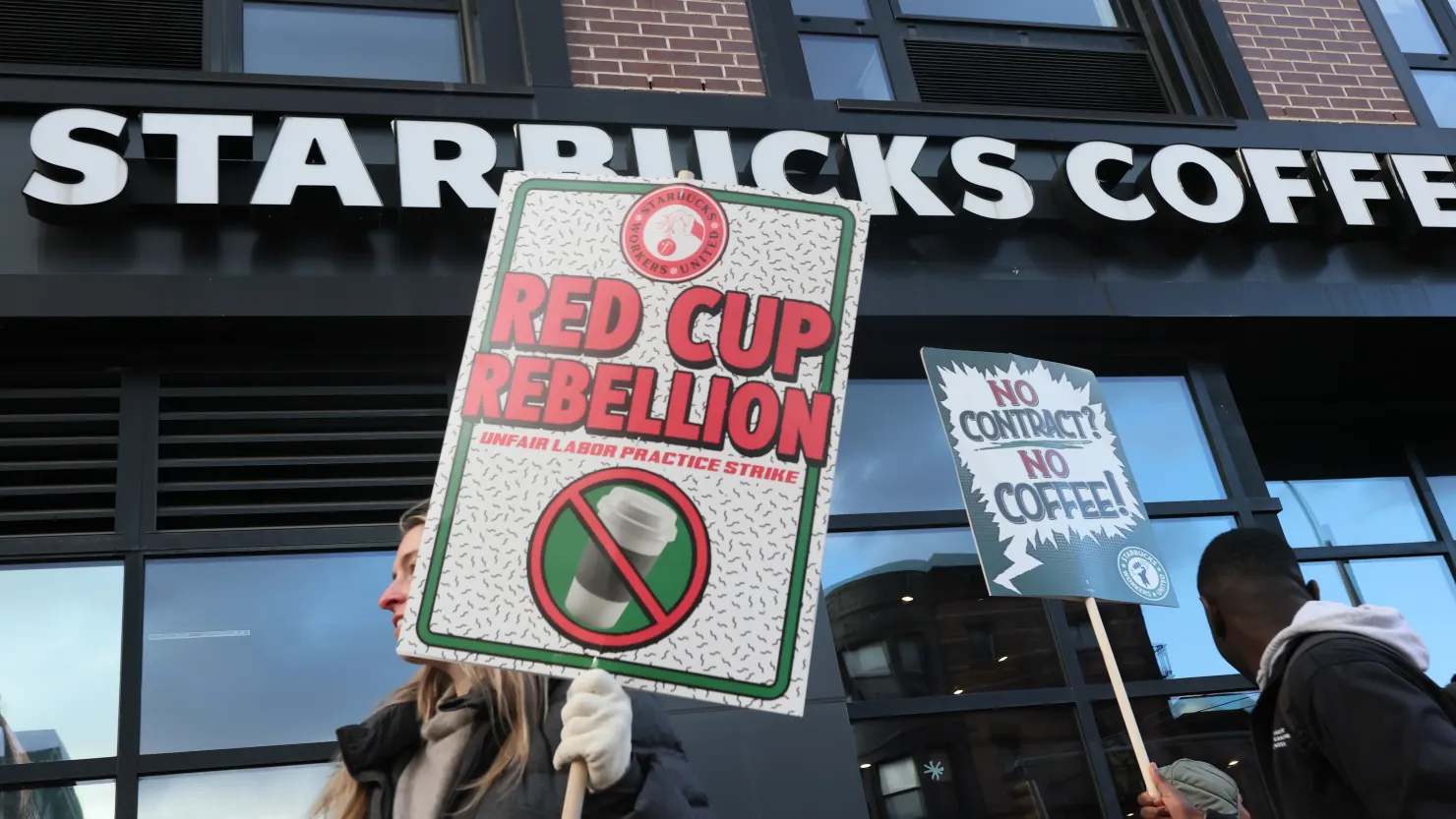
Barely a week after baristas threatened what they called the largest and longest strike in Starbucks history, Workers United expanded its campaign. The union announced walkouts at 95 stores across 65 cities, involving nearly 2,000 baristas. This is now the third major strike wave in two years, but for the first time the protests extended beyond cafés to key logistical nodes. A picket line at a distribution hub in Pennsylvania signaled that the union is prepared to pressure Starbucks not just reputationally but operationally.
Starbucks insists that fewer than 1 percent of its US locations experienced disruptions and that many stores quickly reopened. Foot-traffic data appears to back that up: Red Cup Day, when the strike began, saw visits jump 44.5 percent from average daily levels. Yet these numbers highlight brand momentum, not labor stability. As we note at YourDailyAnalysis, short-term resilience does not erase long-term risks. Repeated labor disputes can reshape cost structures and weaken the company’s growth trajectory in its most important market.
Workers United, which now represents over 11,000 employees, is pushing for improved scheduling, higher pay and resolution of hundreds of unfair labor practice accusations. Contract negotiations stalled late last year, and despite mediation attempts, no meaningful progress has been made. Meanwhile, five additional nonunion stores filed for union elections this week, suggesting that the strike is fueling broader organizing activity within the chain.
Starbucks leadership continues to project confidence. New CEO Brian Niccol highlighted record results from the company’s holiday launch, praising both operational execution and the surge in seasonal demand. Starbucks maintains that its compensation and benefits package remains among the strongest in retail, pointing to lower-than-average turnover and over one million job applications each year.
But behind the rhetoric, a structural shift is underway. For the first time, Workers United has gained national political support and built a coordinated grassroots strategy that is difficult for the company to ignore. Starbucks risks allowing the dispute to harden into a chronic issue that not only elevates costs, but also influences brand perception among younger consumers who increasingly evaluate companies through labor ethics.
From our vantage point at YourDailyAnalysis, Starbucks would benefit from moving away from a defensive stance and toward a negotiated framework. If meaningful talks do not resume soon, the union is likely to double its influence in 2025, raising the probability of strikes expanding into critical sales cycles. Investors should closely track labor-related expenses, comparable-store sales and digital-order momentum. Strong online demand continues to offset some operational pressures, but it cannot fully neutralize structural labor risks.
Starbucks remains one of the most powerful consumer brands in America, yet the intensifying union movement is transforming the company into a test case for the future of service-sector labor relations. As Your Daily Analysis concludes, the next few quarters will be decisive. Starbucks must adapt its strategy to a reality in which workforce conflict is no longer an anomaly but an embedded feature of the business landscape.