


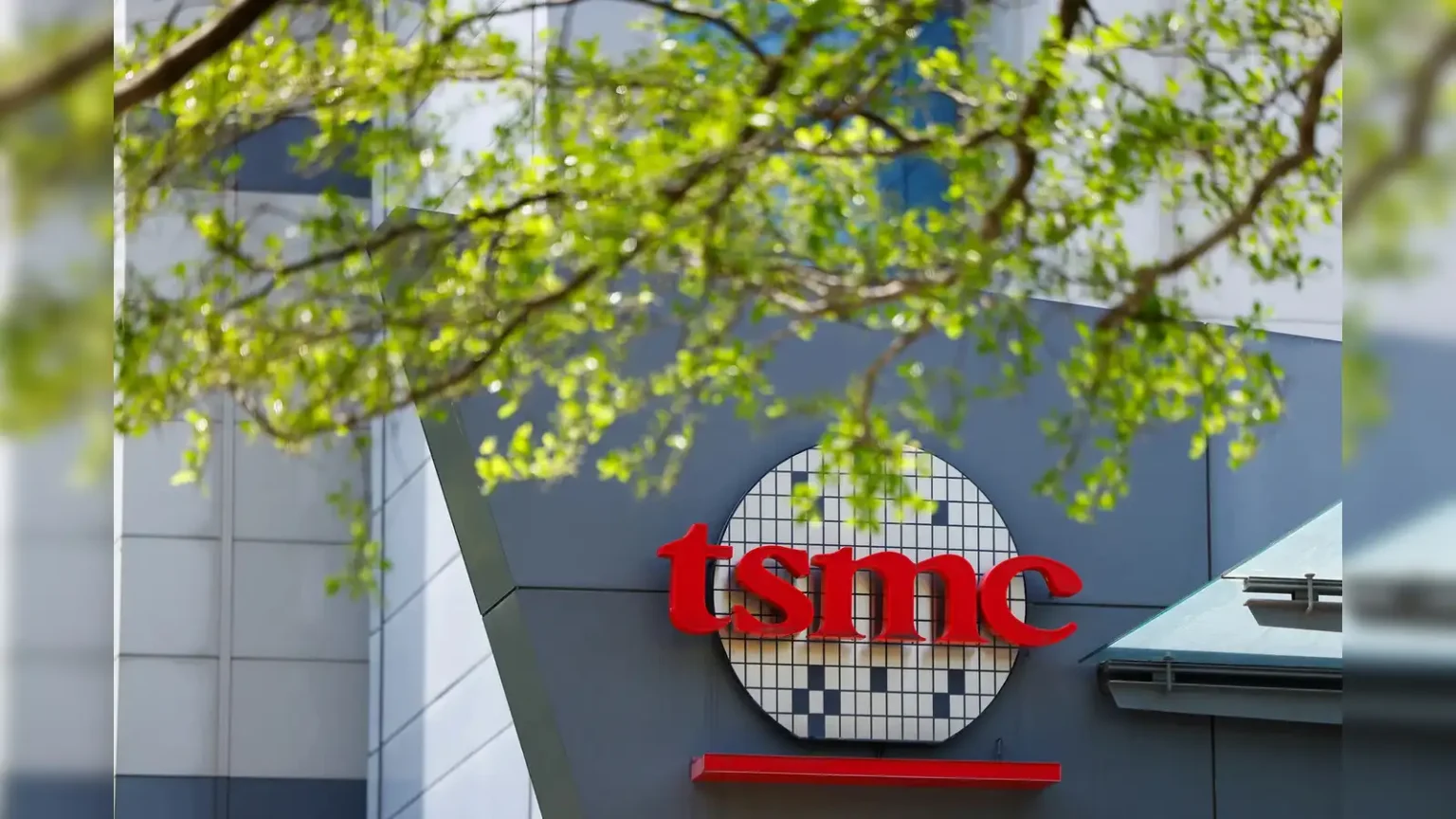
The movement of top semiconductor executives between global giants rarely goes unnoticed – but it is even rarer for such a transition to escalate into a legal confrontation. TSMC’s lawsuit against its former senior vice president, Wei-Jen Lo, has become a striking exception. At YourDailyAnalysis, we view this case as evidence of a new phase in technological competition, one where the battle is waged not only for market share but for the individuals who carry decades of critical intellectual capital. As we note in our editorial analysis, “when a company goes to court over potential leakage of process knowledge, the issue is no longer about HR – it is about strategic threat.”
TSMC filed its complaint with Taiwan’s Intellectual Property and Commercial Court, alleging that Lo violated his employment contract, breached a non-compete agreement, and potentially infringed Taiwan’s Trade Secrets Act. The company states there is a “high probability” that he could disclose or transfer confidential information to Intel. Considering Lo played a central role in scaling TSMC’s 5-nm, 3-nm and 2-nm production lines, the concern is not merely justified – it is inevitable. At YourDailyAnalysis, we emphasize: “knowledge at this level is the result of years of competitive refinement; losing it is equivalent to forfeiting an entire chapter of technological advantage.”
The response from Taiwan’s Ministry of Economic Affairs underscores the gravity of the situation. The ministry announced that it will closely monitor the case and assess whether any sensitive, strategically important technologies are endangered – a reminder that Taiwan views its leading-edge semiconductor processes as national assets. This shifts the case from a corporate disagreement into a matter of technological sovereignty and national security.
Lo’s professional background adds another layer of complexity. Before joining TSMC, he spent 18 years at Intel, overseeing technology development and managing the company’s Santa Clara research center. Over the next two decades at TSMC, he was involved in launching the manufacturing nodes that made the firm a global leader. His return to Intel in October – reportedly reporting directly to CEO Lip-Bu Tan – creates a rare scenario in which a single individual has deep operational knowledge of two competing ecosystems. As we highlight in YourDailyAnalysis, “non-compete agreements in such cases are no longer formalities; they become the final barrier preventing the transfer of strategic intelligence.”
The fact that Lo departed TSMC after 21 years – with access to projects forming the core of the company’s competitive moat – makes the transition even more sensitive. The semiconductor industry has long debated the boundary between an engineer’s general expertise and protected trade secrets, and this case will likely force courts to draw that line more sharply.
What becomes clear is that TSMC’s lawsuit is not an act of retaliation. It is an attempt to reinforce the boundaries that semiconductor companies will increasingly have to defend. The sector is entering a phase where the value of certain individuals is comparable to the value of facilities and lithography tools. At YourDailyAnalysis, we believe this case will become a benchmark: companies worldwide will tighten non-compete contracts, strengthen access controls, and intervene earlier when key personnel move to direct competitors.
Our forecast is straightforward: legal disputes of this type will grow more frequent as the U.S., Taiwan, Korea and China intensify their race toward next-generation manufacturing nodes. Firms will seek to legally protect the human capital that underpins their technological trajectories. Investors, in turn, should recognize that executive mobility at this level can carry material reputational, operational and strategic risks.
As a final note, Your Daily Analysis emphasizes that the Lo case is far from an isolated conflict. It reflects a broader transformation of the global chip industry – one in which every production milestone is accompanied not only by new factories and lithographic breakthroughs, but by an increasingly complex and competitive struggle for the people who make those advancements possible.