



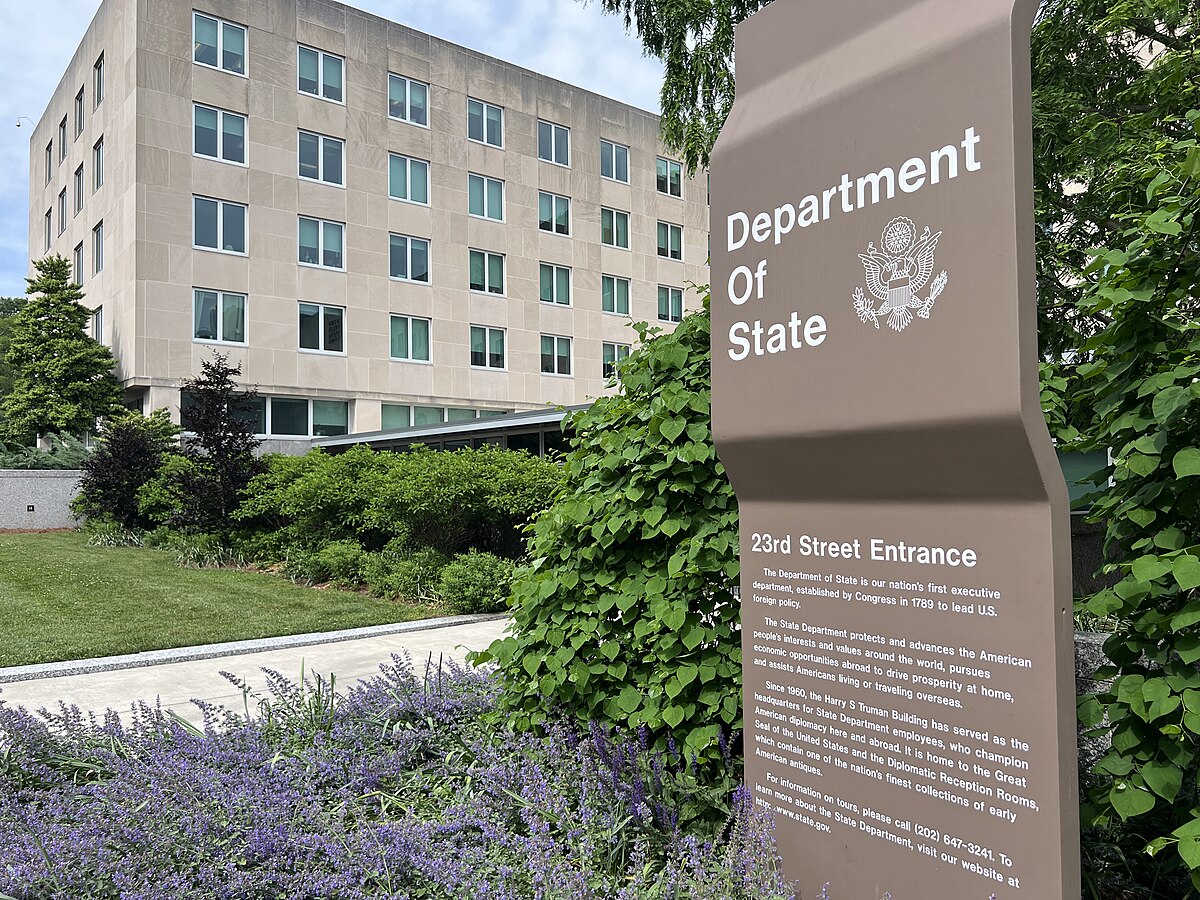
The U.S. decision to deny visas to several European figures involved in digital governance marks a qualitative shift in how disputes over online speech and platform regulation are being conducted. What would previously have remained a regulatory or diplomatic disagreement has been translated into a personalised policy instrument. In the reading of YourDailyAnalysis, the move is less about the individuals targeted and more about how immigration tools are being repurposed to draw political boundaries around digital sovereignty.
By framing the visa denials as a response to attempts to “coerce” American technology platforms, the Trump administration has recast debates over content moderation as matters of national sovereignty. Once regulatory pressure is treated as an extraterritorial threat to domestic speech, the scope for technical compromise narrows sharply. The use of entry restrictions signals a willingness to personalise institutional conflict, shifting deterrence from the state level to specific actors within the regulatory ecosystem.
The selection of those affected is analytically instructive. The bans span NGO leadership influencing reputational and advertising risk, architects of European digital regulation, and figures linked to counter-disinformation enforcement. YourDailyAnalysis interprets this as an effort to disrupt the connective tissue of Europe’s digital governance model rather than to challenge a single law. Targeting intermediaries and agenda-setters maximises chilling effects while limiting immediate diplomatic escalation.
European reactions indicate that the issue is already being framed as a challenge to digital sovereignty. Public statements describing intimidation and coercion significantly raise the political cost of retreat, making rapid de-escalation unlikely. The dispute has shifted from regulatory mechanics to a contest over who defines governance standards for global platforms.
At the centre of the confrontation sits the EU’s Digital Services Act. U.S. officials increasingly portray the DSA as ideological censorship with cross-border reach, while European authorities emphasise risk management and transparency. As tracked by Your Daily Analysis in prior transatlantic tech disputes, such philosophical divergence tends to produce parallel systems rather than convergence, increasing compliance costs and operational fragmentation for global firms.
Recent enforcement actions under the DSA, combined with U.S. visa measures, form an emerging ladder of escalation in which regulatory, economic and personal tools are intertwined. For technology companies, this raises the probability of durable regulatory bifurcation, with distinct governance regimes for the U.S. and the EU.
Looking into 2026, the most likely outcome is a prolonged phase of managed confrontation rather than a decisive rupture. European regulators are unlikely to dilute core digital rules, while Washington appears prepared to retain selective pressure tools. In this environment, YourDailyAnalysis expects platform risk models to increasingly treat regulatory dualism as a structural condition, lifting compliance costs, constraining cross-border scale and sustaining a higher regulatory risk premium for platform-dependent business models.