

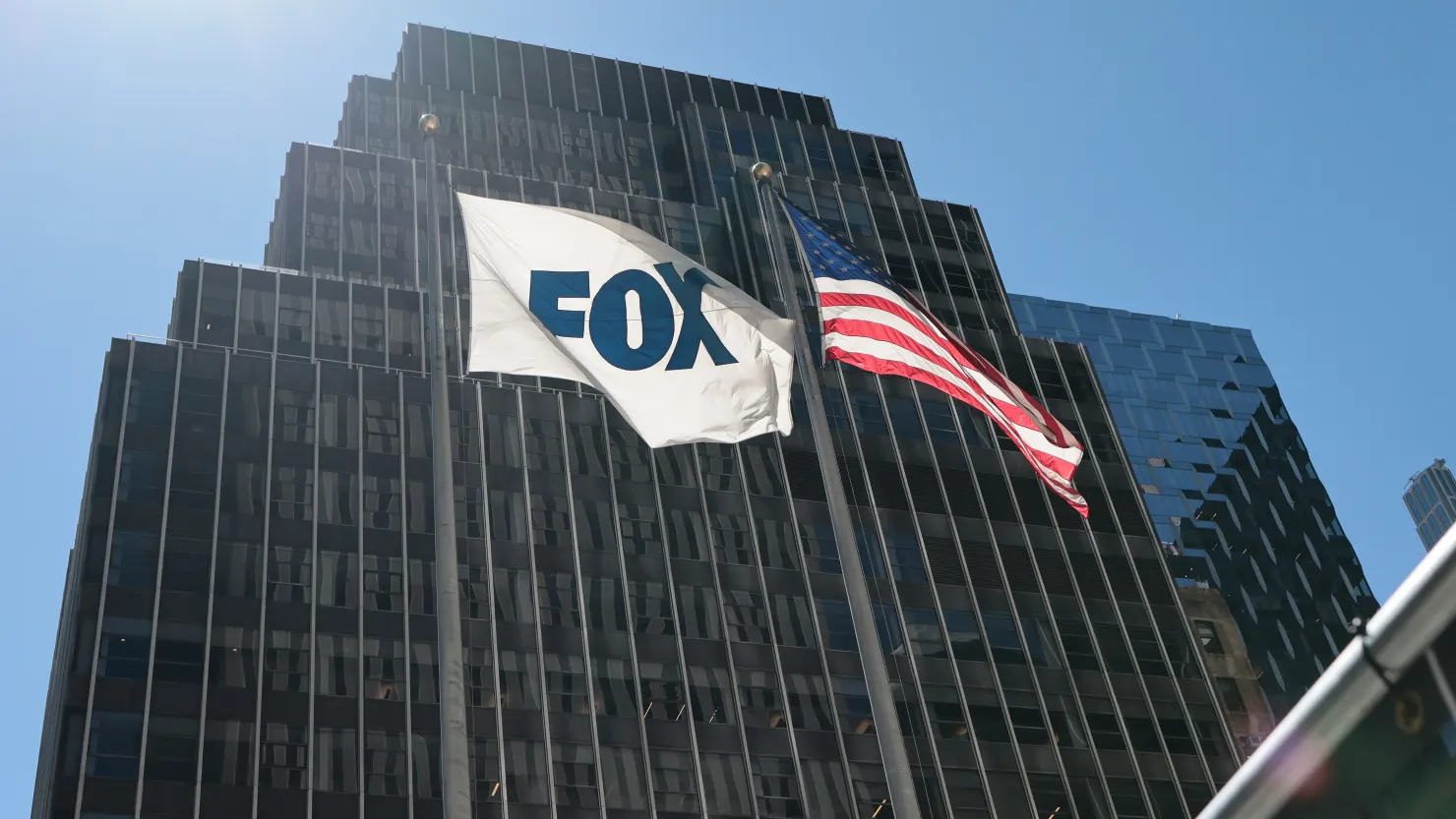
Fox Corporation announced Monday it would acquire Roku for $22 billion in enterprise value, paying $160 per share in a cash-and-stock combination – $96 in cash and 0.9693 Fox Class A shares per Roku share. Fox stock immediately fell more than 16% over two days, touching a 52-week low, while Roku shares surged past the offer price on speculation a competing bid could emerge. YourDailyAnalysis frames the market’s split verdict as the correct reading: Roku shareholders got a premium; Fox shareholders got a question they were not expecting.
The strategic logic is harder to dismiss than the stock move implies. Fox had positioned itself as the premium live-content play – sports, news, and Fox One – while relying on Tubi as its free, ad-supported streaming arm. Tubi has grown, but its standalone position against YouTube and the major streamers’ own FAST operations was structurally exposed. Roku changes that immediately. Roku products reach more than 100 million global streaming households and command the home screen across tens of millions of North American smart TVs.
Rupert Murdoch described the combined company as better positioned for the next decade of video than either company would have been alone. MoffettNathanson noted the acquisition puts Fox in the upper end of streaming viewership, with Tubi and Roku combined edging out Disney’s combined Disney Plus, Hulu, and ESPN viewership share. What YourDailyAnalysis unpacks in the deal structure is that Fox is not buying a streaming competitor – it is buying the remote control. Roku’s core business is the OS layer sitting between content and viewer, and controlling that layer gives Fox a position in the economics of every streaming service that runs on Roku.
There are reasons the deal makes analysts nervous. Fox will pay $96 in cash per share, requiring debt at a scale the company has not previously carried. Management cited maintaining its investment-grade credit rating as a commitment, but the balance sheet will carry meaningfully more leverage after closing. The deal is also a bet that Roku’s first-party data translates into durable advertising revenue at a time when the entire digital advertising market faces AI-powered targeting compression.
Roku will continue to operate as an open, partner-friendly platform, the companies said. That assurance matters because Roku’s OS model depends on distributing every major streaming service. If Netflix, Disney, or Amazon concluded that Roku under Fox ownership would disadvantage them, migration risk to Vizio, Amazon Fire TV, or Google TV could accelerate. Fox has every financial incentive to maintain openness, and management addressed the concern directly on the announcement call.
The broader M&A context in media is shifting in one direction. The Justice Department’s approval of the Warner Bros. Discovery and Paramount deal has expanded what regulators will permit. Fox is acting in that window. The industry pattern YourDailyAnalysis maps is that media consolidation moves in waves and the current wave has distance to run.
The free cash flow profile of the combined company will determine whether Fox shareholders’ initial reaction proves wrong. Roku generated revenue approaching $4 billion annually in recent periods and carries a platform business with meaningful operating leverage. If Fox sustains Roku’s hardware-at-cost distribution while monetizing the home screen more aggressively through its advertising relationships, the deal math works.
Roku CEO Anthony Wood will join the Fox board after closing and continue in an ongoing role. That continuity matters: Roku’s platform culture and its relationships with hardware manufacturers and streaming partners were built under Wood’s tenure. Disrupting that culture unnecessarily would be costly, and the board seat signals Fox understands it is buying a platform business that requires different management from a content company.
Watch the Roku partner renewal negotiations in Q3 and Q4 2026. Watch Fox’s debt metrics at the first earnings report post-close. Those two data points will tell the actual story of whether this deal delivered the strategic repositioning Fox paid for, or whether the home screen premium turns out to be less durable than the price implies. Your Daily Analysis closes on the structural shift: this deal turns Fox from a content company into a platform company – the transformation investors are pricing, and the market’s initial reaction tells you how much they believe it.