


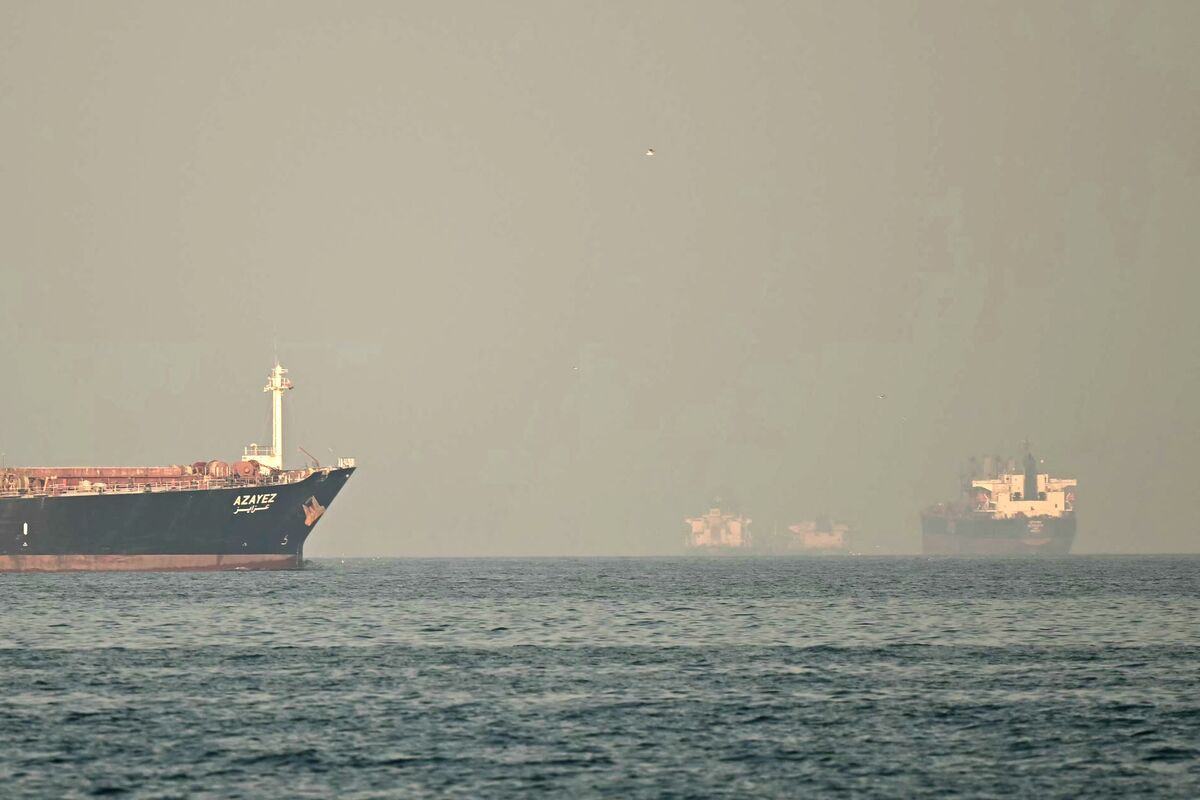
Recent movements of LNG tankers near the Strait of Hormuz reveal how the energy crisis in the region has shifted from pricing concerns to physical delivery risk. The reversal of loaded vessels back toward Qatar highlights a market where even confirmed shipments no longer guarantee execution. YourDailyAnalysis interprets these developments as a clear signal that logistical reliability has become a central risk factor for global gas markets.
The behavior of the tankers reflects more than routine navigation changes. Both vessels loaded cargo earlier and approached the strait before abruptly turning back and altering their destinations. This sequence indicates that market participants now face real-time disruptions rather than theoretical threats. When shipments fail after departure, confidence in scheduling, insurance, and contract fulfillment begins to erode.
Qatar’s role in global LNG supply amplifies the importance of these events. A significant share of global liquefied natural gas exports traditionally passes through the Strait of Hormuz, making any disruption immediately relevant to international markets. YourDailyAnalysis highlights that even short-term interruptions in this corridor can tighten supply expectations across Asia and Europe, intensifying competition for available cargoes. Partial vessel movements through the strait do not resolve the situation. Reports of selective passage for certain ships suggest a controlled and politically influenced transit environment rather than a return to open navigation. This creates an unstable framework in which access depends on shifting geopolitical considerations. Such conditions introduce unpredictability that markets typically price aggressively.
Infrastructure constraints add another layer of complexity. Qatar’s Ras Laffan export facilities represent a critical node in global LNG supply, and any disruption to operations or outbound logistics compounds existing pressure. YourDailyAnalysis notes that when production capacity and transportation routes face simultaneous constraints, the resulting impact extends beyond temporary delays into structural supply risk. Energy markets also reflect broader systemic stress. Disruptions in LNG flows coincide with instability in oil and refined product markets, reinforcing the interconnected nature of global energy systems. When multiple energy channels experience pressure simultaneously, price signals tend to amplify across regions and asset classes.
Information uncertainty further increases volatility. Vessel tracking in the Persian Gulf has become less reliable due to signal interference and operational secrecy. Reduced transparency complicates price discovery and encourages speculative positioning. Market participants rely more on fragmented data, which can intensify short-term price swings. Emerging regulatory dynamics around the strait introduce additional long-term risks. Discussions around controlled transit or potential fees for passage suggest that the disruption may evolve into a semi-permanent structural constraint. Your Daily Analysis emphasizes that such developments could transform a temporary geopolitical shock into a lasting cost component for global energy trade.
Regional exposure remains uneven. Asian economies, which rely heavily on Middle Eastern LNG, face the most immediate consequences. Governments have already begun exploring alternative supply routes and long-term contracts to mitigate potential shortages. This shift indicates that market participants increasingly view the disruption as more than a short-lived episode.
The current situation points to a market defined by constrained flexibility. Even if limited transit resumes, consistency and predictability remain uncertain. YourDailyAnalysis concludes that monitoring actual vessel movement, export facility operations, and any formalization of transit conditions will provide the clearest signals of whether the LNG market stabilizes or enters a prolonged period of structural disruption.