



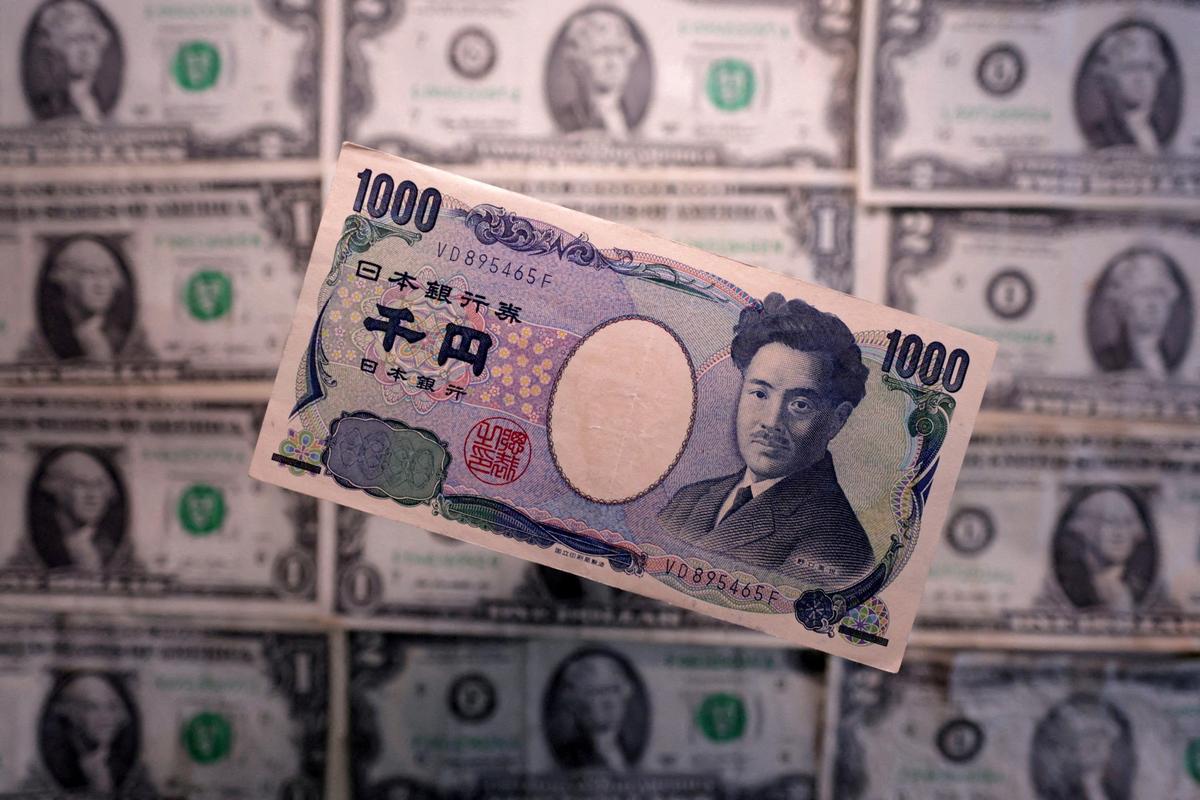
Japan is expected to confirm that it took coordinated action with the United States to halt the yen’s slide to 40-year lows, in a rare instance of bilateral currency-market coordination that officials hope could mark a turning point for the beleaguered currency. Japan’s finance minister was set to announce that Tokyo and Washington acted together in the currency market last week to arrest what both governments consider excessive yen declines, according to government officials familiar with the operation, with one describing it as “still ongoing.” YourDailyAnalysis treats the word “ongoing” as the detail worth the most weight here, since it signals officials view last week’s action as the opening phase of a sustained campaign rather than a single, one-off intervention.
The remarks followed what market participants describe as rounds of yen purchases by both Japanese and U.S. authorities, the first joint intervention of this kind in 15 years. Japan has struggled for months to curb a relentless currency decline that pushes up import prices and stokes broader inflation, squeezing household budgets and weighing on the prime minister’s public approval ratings. YourDailyAnalysis considers the 15-year gap since the last joint intervention as evidence of how unusual current currency-market conditions have become, since coordinated intervention is a tool governments generally reserve for moments they view as genuinely disorderly rather than routine volatility.
Japan may have sold as much as $58.97 billion to buy yen when it intervened in New York markets last Thursday, according to Bank of Japan data, with a second, suspected intervention following on Friday. On Friday, U.S. authorities also signaled to a number of banks that they too might intervene directly in the yen market, part of the same coordinated push to stabilize the currency.
A U.S. Treasury official who had previously said the yen “seems very undervalued” was seen at a recent cabinet meeting with a handwritten note referencing a plan to buy several billion dollars’ worth of Japanese yen, consistent with the scale of intervention market participants had already inferred from the currency’s price action. In line with related calls for higher Japanese interest rates, the Bank of Japan offered its most explicit signal to date of an early rate hike on Friday, even as it left monetary policy unchanged for now. Your Daily Analysis reads that signal alongside the currency intervention as a coordinated two-part strategy, using direct market purchases to address the immediate price move while using rate-hike guidance to address the underlying interest-rate gap that has driven the yen lower in the first place.
In a sign of broader regional policy coordination, South Korea also intervened to support its own currency, the won, last Thursday. The dollar ended Friday trading around 157.60 yen, having retreated from a level near 164 yen earlier in the week, the weakest the currency had traded since 1986.
Watch whether this intervention holds up better than Japan’s previous attempts, since the country intervened in April and May of this year buying yen and saw only brief rebounds each time, and a June rate hike to a 31-year high of 1% likewise gave the currency little lasting support. YourDailyAnalysis will be tracking whether the dollar-yen rate stays meaningfully below the 164 level reached earlier this month, since a renewed slide back toward that level within weeks would suggest this coordinated intervention faces the same durability problem as Japan’s earlier, unilateral attempts.