

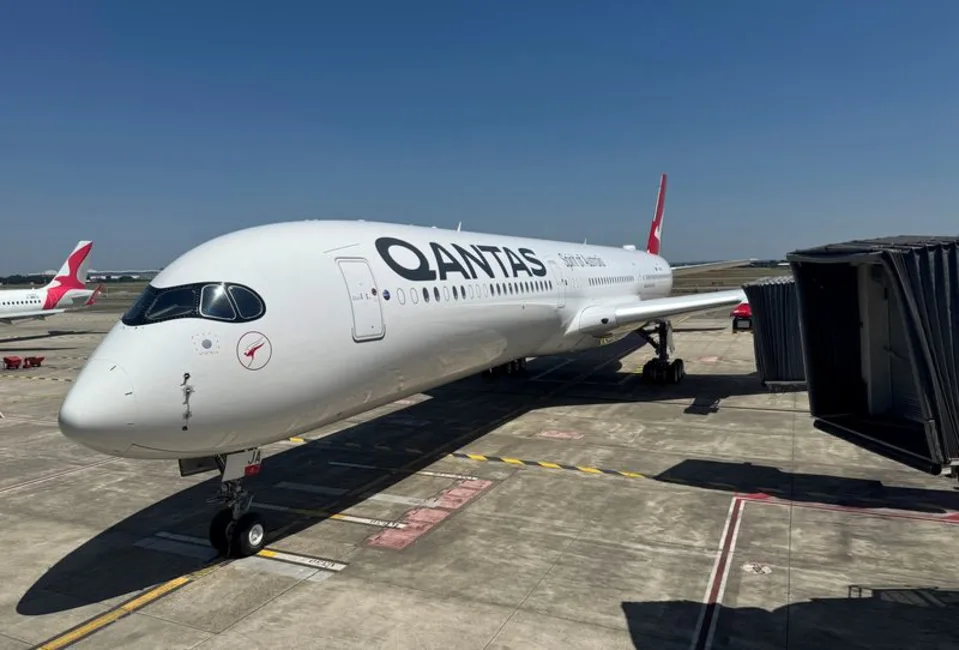
Qantas and the union representing its long-haul pilots said Thursday they had reached a provisional wage agreement, just days after those same pilots voted in favor of authorizing industrial action that could have included 24-hour stoppages and delayed sign-ons. The deal covers roughly 1,700 long-haul pilots who fly the airline’s Airbus A380 and A330 jets and Boeing 787s, mostly on international routes; short-haul pilots operate under a separate agreement reached earlier and are not affected by this round of talks. The turnaround was fast even by the standards of Australian labor disputes, where protected-action ballots often sit unused for weeks while both sides keep negotiating under the threat, rather than the reality, of a stoppage. YourDailyAnalysis treats the tight timing here – a strike-authorization vote followed within days by a provisional deal – as the detail that best explains why this agreement came together now rather than earlier in a negotiation that had already stalled, since a credible strike threat is often what moves a stuck pay dispute rather than the negotiating calendar itself.
The Australian and International Pilots Association said it had been encouraged by progress made in discussions overseen by the country’s industrial umpire, the Fair Work Commission, which has statutory authority to approve strike ballots and mediate disputes once industrial action becomes a real possibility. “A broad agreement has been reached with Qantas,” union president Andrew Marshall said. “We are hopeful this agreement can be formalised in the coming days.” That specific word “broad” does real work in the statement, since it signals the framework is settled while leaving room for details still being finalized, a distinction that matters given how often “agreement in principle” announcements in labor disputes later hit friction once the specific contract language is drafted and put to a membership vote.
Qantas said it was pleased to have reached an “in principle agreement” on a deal that would deliver significant pay increases, rostering improvements and additional career progression opportunities, while balancing the needs of the business. The company’s framing echoed the union’s own emphasis on rostering and career progression alongside pay, suggesting both sides are describing the same set of non-wage concessions as central to how the deal came together, rather than pay alone having been the sole sticking point through months of negotiation.
The strike authorization that preceded this settlement followed a formal process specific to Australian labor law. A protected action ballot – a secret vote giving employees the chance to decide whether to strike – was approved by a majority of the long-haul pilots after earlier negotiations over pay and conditions failed to produce an agreement, clearing them legally to proceed with stoppages once the required notice period had elapsed. That sequence – failed talks, an approved strike ballot, then a deal within the same week – is, in YourDailyAnalysis‘s reading, evidence the ballot functioned exactly as designed: a credible, legally authorized strike threat appears to have converted a stalled negotiation into a finalized framework within days, rather than the two sides simply reaching a natural conclusion on their own timeline.
The pilots’ settlement arrives as a separate dispute is developing elsewhere in the airline’s workforce. A union representing Qantas ground workers said Thursday that around 650 of its members would soon vote on their own industrial action, a group whose roles span baggage handling and aircraft turnaround, distinct from the flight-deck disputes just resolved. What stands out to Your Daily Analysis is how directly the timing of that second ballot follows the pilots’ settlement, since a resolved pilots’ dispute sets both a financial and a procedural precedent that ground-crew negotiators are likely to reference directly once their own vote gets underway, whether or not Qantas intends for one dispute’s resolution to shape the next.
Watch whether the pilots’ agreement gets formally ratified in the coming days as the union president suggested, since a provisional deal that stalls at the ratification stage would reopen the risk of the strike action that was authorized but not yet used. For YourDailyAnalysis, the more revealing test will be the ground workers’ vote now getting underway, since a second successful strike authorization at the same company in short succession would suggest Qantas faces a broader wave of labor leverage across its workforce, not an isolated dispute contained to pilots alone.