


The S&P 500 reached fresh record highs in May, and the question analysts are now asking is whether the technology sector that drove it there can sustain the run. The five largest U.S. hyperscalers – Amazon, Microsoft, Google, Meta, and Oracle – are on track to spend north of $650 billion on AI infrastructure in 2026 alone, nearly double the $380 billion they deployed in 2025. YourDailyAnalysis flags that figure as the structural underpinning of the tech market’s outperformance: when capital deployment at this scale is committed and building, the beneficiaries do not need the macro to cooperate.
Nvidia remains the clearest expression of that thesis. The company controls the supply of AI accelerators that power the entire buildout, and its leverage to the capex cycle is more direct than any other publicly traded name. Seagate Technology has outperformed even Nvidia in 2026, gaining 164% year-to-date as data storage demand from AI data centers exceeded forecasts by a wide margin. Micron Technology has surged 90% on the same dynamic.
The market’s composition has bifurcated more sharply than any broad index headline suggests. AI infrastructure – chips, power, networking, storage – continues to set highs. Software and services spent the spring in a structural repricing and is recovering, but unevenly. Consumer-facing tech is range-bound. The editors at YourDailyAnalysis dissect the index as three co-existing cycles rather than one trend: the buildout cycle, the adoption cycle, and the disruption cycle are running simultaneously and at different speeds.
The rate environment is the variable that could change all three simultaneously. U.S. ten-year Treasury yields rose to 4.47% and CBA’s global economics team has flagged a Federal Reserve rate hiking cycle beginning as early as December 2026. Energy-driven inflation from the Gulf conflict provides the mechanism. Higher rates compress multiples on long-duration tech assets, which means the AI infrastructure names trading at elevated valuations are not immune from the macro even when revenue visibility is strong.
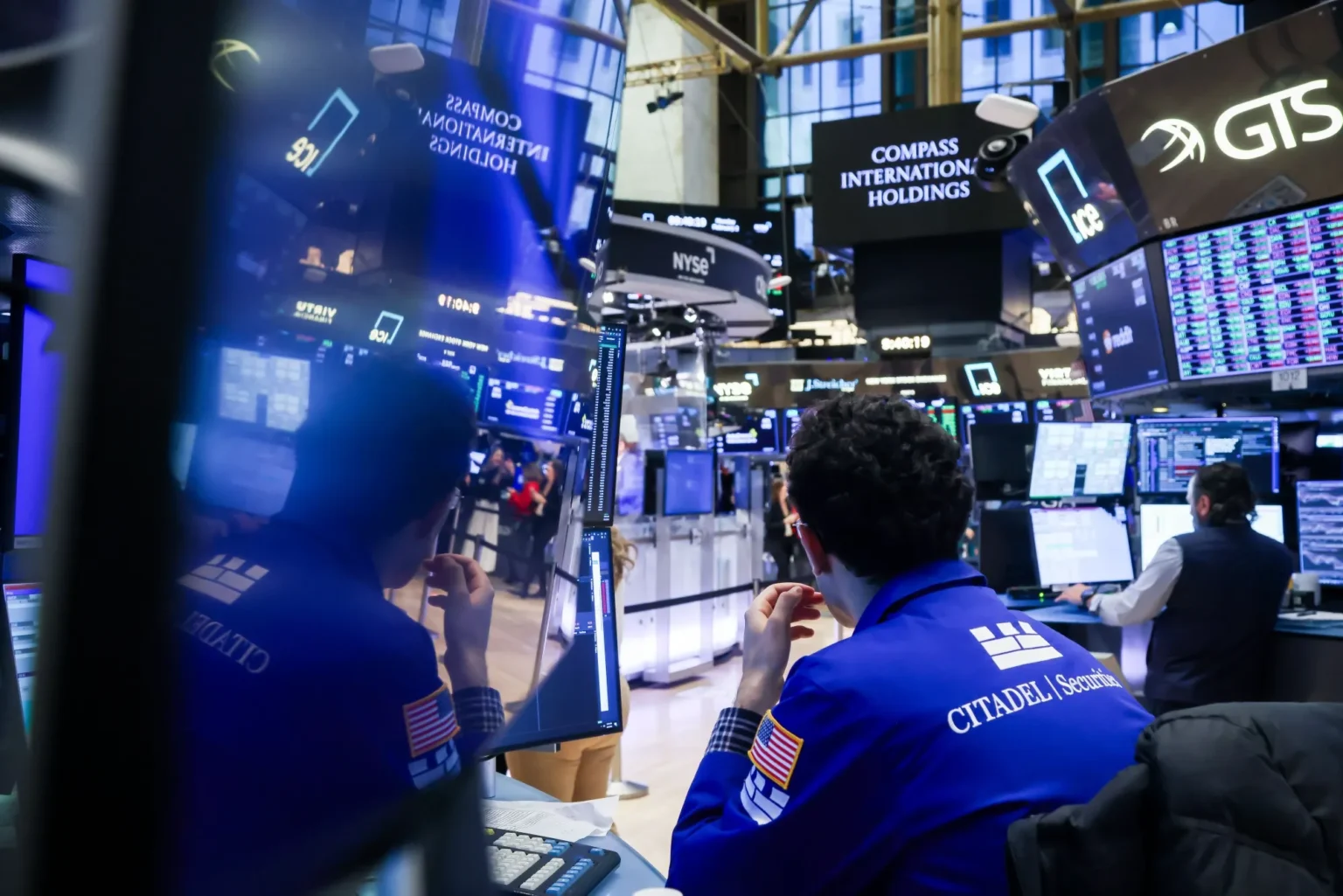
The concentration question is the one most equity strategists are circling without answering directly. The ten largest companies now make up 40% of the S&P 500, and only 21 stocks out of 500 made record highs in May. The index is posting records on the shoulders of a very narrow group of companies, most of which trade at multiples that depend on sustained high growth and benign financing conditions. The reporters at YourDailyAnalysis surface this as the structural vulnerability: not that the AI buildout is fake, but that it is being expressed through a concentrated vehicle with limited margin for disappointment at the top.
The international comparison adds perspective. European defense and financial stocks delivered standout performance in 2025. Taiwan and South Korea carry AI-exposed semiconductor names that logged record export volumes in May: Samsung Electronics gained nearly 10% after beginning shipments of its latest high-bandwidth memory chip. That regional contribution to AI infrastructure demand is linked to U.S. capex decisions but does not carry the same valuation risk.
The near-term calendar sets up a busy few weeks. The May payrolls report arrives Friday with consensus at 85,000 jobs. Any surprise moves the Fed rate path, which moves tech multiples. The Gulf ceasefire negotiations remain live and will continue to affect oil prices, inflation expectations, and risk appetite for high-duration assets. The analysts at Your Daily Analysis weigh the payrolls print as the most immediate binary risk for the tech rally.
The cleanest version of the bull case is simple: the capex cycle is real, the demand for AI infrastructure is structural, and the companies supplying the buildout will grow revenue at rates that justify current multiples over a ten-year view. The bear case is equally simple: the market is pricing year-ten outcomes in year two, and any deceleration in hyperscaler spending guidance will reprice the entire cohort faster than the earnings cycle can absorb.
Both cases can be true simultaneously. The infrastructure cycle is genuine. The valuation front-loads returns that may take years to materialize. What resolves the tension is not thesis quality but earnings delivery. YourDailyAnalysis ends on that operational point: watch the next three quarterly cycles for signs that AI capex translates into software revenue, not just chip shipments.