

Switzerland’s Federal Council announced late Monday that it plans to streamline recognition of American standards for cars and medical devices, alongside facilitating recognition for U.S. conformity assessment bodies and government procurement access. The measures are regulatory, not legislative, which means Bern can move on them without waiting for parliament. The government framed the announcement plainly: this further contributes to the stabilisation of bilateral economic relations between Switzerland and the United States and gives Swiss exporters greater planning certainty. The timing is not incidental. Swiss President Guy Parmelin began a visit to the United States, Canada, and Mexico the same day the announcement landed, with a meeting scheduled this week with U.S. Trade Representative Jamieson Greer.
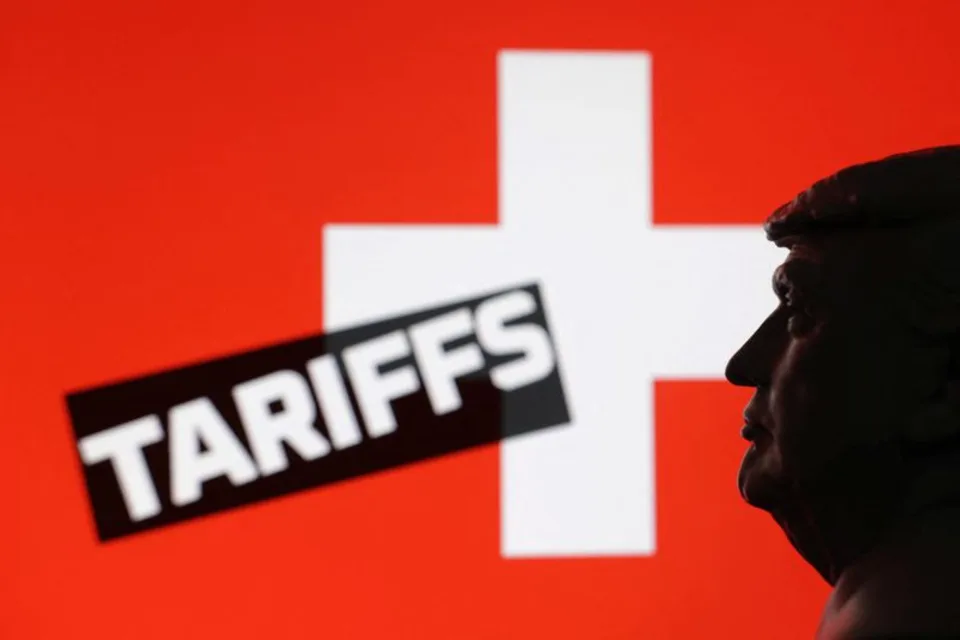
Start with the number that explains the urgency. Switzerland was hit with the highest U.S. tariff in Europe last summer – a 39% duty that President Trump imposed on Swiss imports. A November deal cut that figure to 15%, bringing Switzerland in line with the European Union’s negotiated rate. YourDailyAnalysis lays out what that swing actually means for a country whose economy runs heavily on precision exports: a 24-percentage-point tariff reduction is the difference between Swiss watchmakers and pharmaceutical firms staying competitive in their largest single export market and losing share to producers facing lower barriers. The standards-recognition package announced this week is Bern’s attempt to convert that temporary tariff relief into something more durable.
There is a structural asymmetry worth noting. The Federal Council said it expects the United States to honour its side of the initial agreement reached last November. That is a polite way of saying the deal is not yet binding in any enforceable sense – it remains a preliminary understanding that both governments have been building on through unilateral gestures rather than a signed treaty. Switzerland is moving first and moving visibly, hoping that regulatory goodwill on cars and medical devices translates into reciprocal durability on the U.S. side. YourDailyAnalysis frames this as a classic small-country negotiating position: Switzerland has limited leverage against the world’s largest economy, so it leads with concessions and hopes momentum does the rest.
The complication is the calendar. A universal 10% U.S. tariff – imposed by the Trump administration in February after the Supreme Court struck down some of the administration’s earlier tariff authority – expires on July 24. Many analysts expect that baseline rate to be replaced with higher levies once it lapses, which would directly threaten the 15% rate Switzerland negotiated specifically to escape the prior 39% treatment. A Swiss source familiar with the matter told Reuters that formalising the full accord during Parmelin’s current trip looks unlikely. YourDailyAnalysis isolates the July 24 date as the genuine pressure point in this story: Switzerland’s regulatory concessions buy goodwill, but goodwill does not survive contact with a tariff cliff if Washington decides higher rates apply regardless of bilateral diplomacy.
Position this against the EU’s own trade arrangement with Washington, which formally enters into force on July 1 – one day after Switzerland’s announcement. The EU agreement removes import duties on U.S. industrial goods, extends preferential access for American farm produce, and locks in duty-free treatment for U.S. lobster through a regulation running until December 2029, with built-in safeguards allowing Brussels to suspend concessions if Washington breaches the deal’s terms. That is a meaningfully more codified arrangement than what Switzerland currently has. Switzerland’s 15% rate mirrors the EU’s negotiated level, but Bern lacks the formal regulatory instrument the EU is about to activate. Your Daily Analysis weighs this gap as the structural disadvantage Switzerland is racing to close before the broader tariff landscape shifts again.
What comes next hinges on two dates rather than one: whether the July 24 expiration of the 10% universal tariff produces a genuine increase, and whether Parmelin’s diplomatic groundwork in Washington this week converts into a formal accord before year-end. Until either resolves, Swiss exporters are operating with planning certainty on paper and genuine uncertainty in practice.