


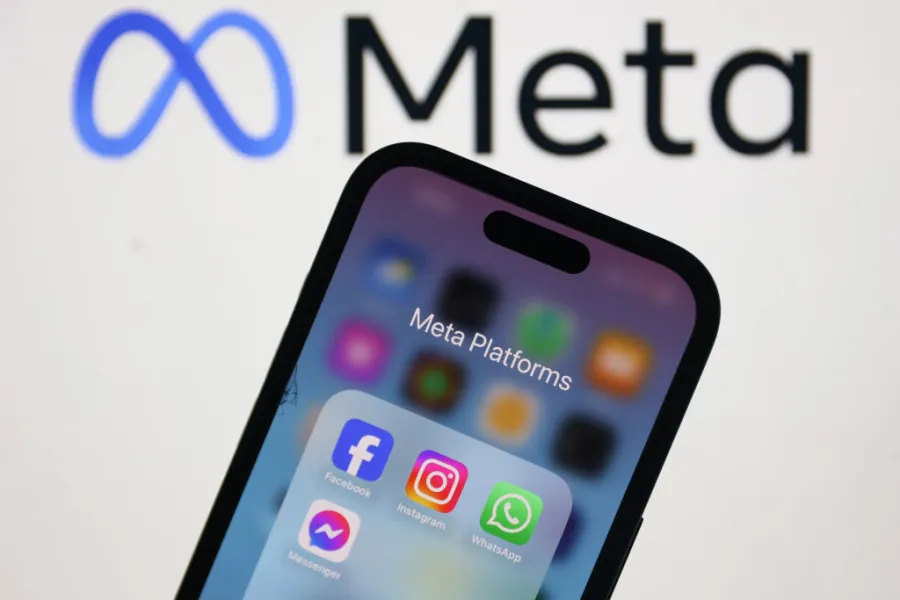
A closely watched social media addiction lawsuit that had been set to go to trial next week has been dropped, after the plaintiff voluntarily dismissed his claims against Meta, leaving none of the major tech companies facing trial in the case. In a statement, Meta said the plaintiff chose to drop his case without receiving any payment. YourDailyAnalysis flags the zero-payment detail as the fact that most complicates a simple narrative of settlement or defeat: a plaintiff walking away with nothing, days before trial, after years of litigation, is a genuinely unusual outcome that neither side’s public statement fully explains.
The sequence of defendants exiting this case happened in rapid succession, which is itself notable. TikTok and Google’s YouTube had previously reached settlement agreements with the plaintiff, and Snap tentatively settled just a day before Meta’s case was dropped, leaving Meta as the sole remaining defendant for barely 24 hours before the case disappeared entirely. YourDailyAnalysis reads that compressed timeline as evidence Meta’s legal team may have specifically prepared to be the last company standing, given how the other three defendants’ exits cleared the field just before trial was set to begin.
Meta’s own account of its trial strategy, described in the reporting, suggests real confidence in its factual defense rather than a company bracing for defeat. Meta had been prepared to argue that the plaintiff had allegedly only used Facebook and Instagram accounts for minutes per day on average, and was planning to claim that most of his accounts had been created after he had hired a lawyer. That second allegation would have been the more damaging one had it reached a jury: claiming a plaintiff’s own usage pattern was manufactured after retaining counsel would have directly undermined the core factual premise of an addiction claim, regardless of any broader platform-design arguments.
This case’s dismissal comes against a backdrop where Meta has not been winning consistently in similar litigation, which makes today’s outcome harder to read as simple vindication. The plaintiff’s decision to drop the case follows Meta’s loss in a New Mexico case earlier this year, its first courtroom defeat over social media harms, in which it was ordered to pay $375 million after being found to have misled consumers about platform safety and endangered children; a Los Angeles jury separately found both Meta and Google negligent in a landmark trial in March, awarding the plaintiff in that case about $6 million. Your Daily Analysis considers those two prior losses as the more representative data points on Meta’s actual litigation exposure in this space – a single dismissed case, with no payment and no jury verdict either way, doesn’t erase a $375 million loss and a negligence finding from earlier this same year.
The case was part of a much larger wave, which means this specific dismissal settles very little of the broader legal exposure facing the industry. It was one of thousands of similar lawsuits from teens, schools, and state attorneys general accusing big tech companies of knowingly creating addictive platforms, and the precedent this bellwether trial would have set could have influenced how companies build features like infinite scroll and continual notifications. Meta’s public statement framed the outcome combatively: “this outcome makes clear that we will not back away from defending ourselves against baseless lawsuits.”
Watch the thousands of remaining social media addiction lawsuits still working through courts nationwide for whether any reach trial where this bellwether case did not, since a jury verdict in any of those cases, rather than this unresolved dismissal, will be what actually establishes precedent for platform-design liability. YourDailyAnalysis views the New Mexico $375 million judgment and the March negligence verdict as the more legally consequential markers so far in this litigation wave, given that this week’s dismissal resolved nothing about the underlying legal theory either way.