


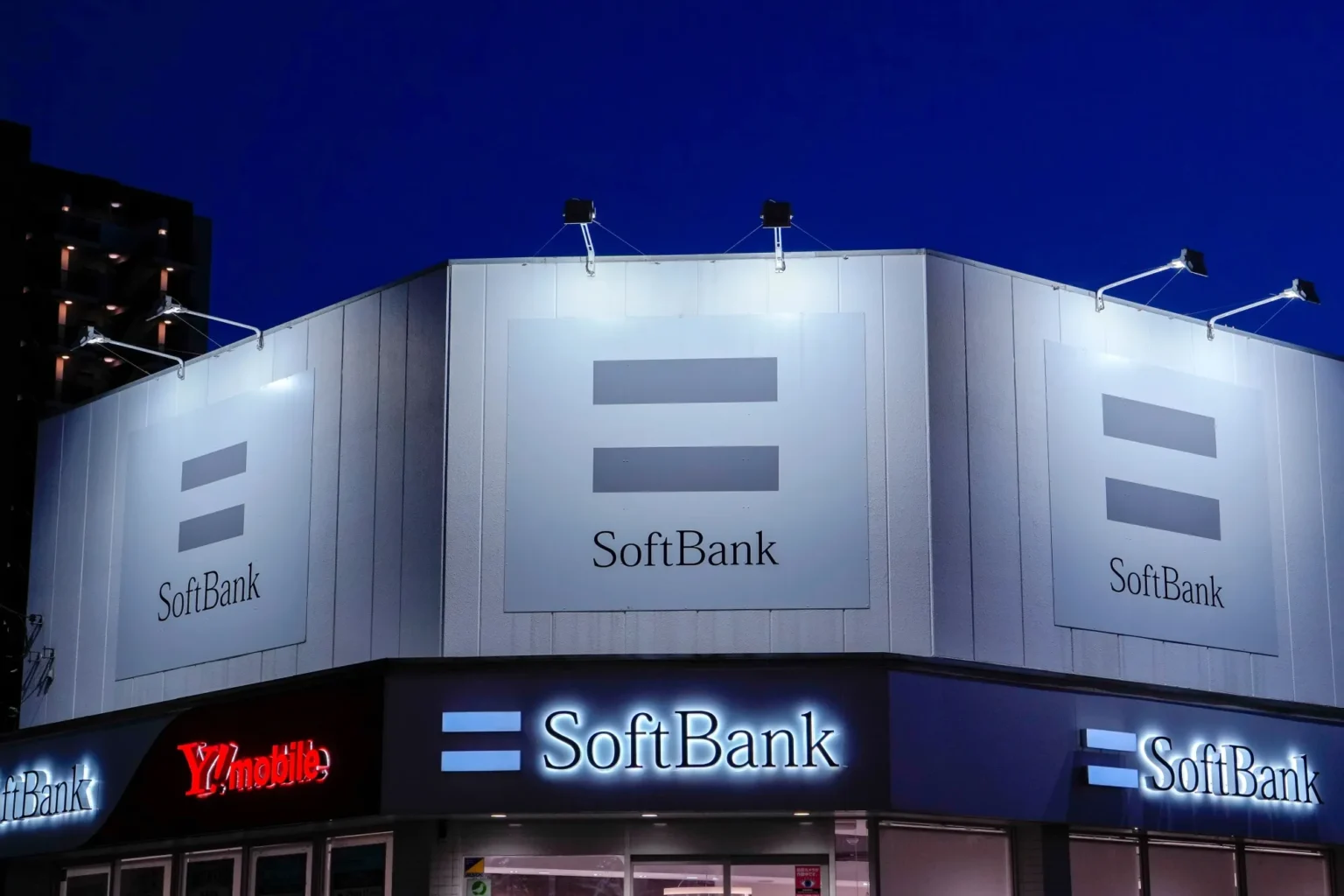
SoftBank’s attempt to raise at least $6 billion through a margin loan backed by its OpenAI stake has stalled, just weeks after the Japanese conglomerate cut the original $10 billion target to $6 billion. Talks with potential creditors have not produced a deal. The company is reportedly considering other fundraising options and could still revive the margin loan at a later stage. What YourDailyAnalysis catches in this sequence is the combination of a halved target that then itself stalls: the creditor market is telling SoftBank something specific about how it values the collateral.
The chronology matters. SoftBank secured a $40 billion bridge loan in March to fund additional OpenAI investments and general corporate purposes. It then sought a $10 billion margin loan, reduced the target to $6 billion after creditor hesitation, and now the $6 billion version has itself stalled. Meanwhile, SoftBank paid its highest interest rate on dollar notes in a $3.6 billion bond offering, a sign that its funding cost is rising. Each step in this sequence reflects a tightening external funding environment.
The hesitation from creditors is not irrational. A margin loan backed by OpenAI shares runs into a structural problem: OpenAI is not yet publicly listed, so the collateral has no liquid market price. Creditors must accept a valuation set by a private funding round – currently around $852 billion – without the price discovery of a public market. The argument YourDailyAnalysis unpacks: the stall is less about SoftBank’s creditworthiness and more about the inherent difficulty of pricing illiquid AI company equity as loan collateral.
Gil Luria, head of technology research at Davidson equity capital markets, described SoftBank as a highly leveraged bet on AI carrying significant upside as well as risk. As of end-2025, SoftBank had roughly 16.3 trillion yen in stand-alone interest-bearing debt. S&P Global estimated that OpenAI accounts for roughly 30% of SoftBank’s investment portfolio. Research from CreditSights flagged a $32 billion funding shortfall including bond maturities and agreed acquisition costs.
The immediate pressure on Masayoshi Son is the OpenAI IPO timeline. SoftBank holds an estimated $110 billion in OpenAI-related investment, and a successful public listing would allow the group to use listed shares as margin loan collateral at a market-set price. The question YourDailyAnalysis positions as central: whether OpenAI files its IPO before SoftBank’s liquidity constraints become acute enough to force asset sales. The group’s $6 billion stake in Intel and its Arm Holdings position are among the potential disposal assets in a stress scenario.
SoftBank and OpenAI have jointly invested $1 billion in SB Energy, an infrastructure company working on U.S. data center buildout as part of the Stargate project. That operational commitment deepens the strategic alignment between the two entities, making an OpenAI IPO even more important to Son as both a financial exit and a validation of his AI thesis. The symbiosis is real – which makes the margin loan stall more pressing, not less.
There is a scenario worth taking seriously. If OpenAI files its IPO in the second half of 2026 at or near its current private valuation, SoftBank’s paper position transforms into a liquid collateral asset and the $6 billion margin loan becomes straightforward to arrange. Where YourDailyAnalysis sets the key date: the OpenAI IPO filing is the event that makes the current tension either a footnote or a crisis depending on its timing relative to SoftBank’s upcoming debt maturities.
The Arm Holdings position adds a secondary dimension. SoftBank took Arm public in 2023 and the stock has become a major AI infrastructure bellwether. Selling Arm shares outright is complicated by market impact concerns and potential margin call triggers. The margin loan approach was specifically designed to avoid outright sales. The stall means SoftBank must find another path.
The sequence – $10 billion target, then $6 billion, then stall – signals that the private credit market has developed its own opinion about OpenAI’s collateral value that differs from the official $852 billion figure. Whether that opinion changes when OpenAI files its prospectus will determine whether SoftBank’s current challenge is temporary or structural. The uncomfortable conclusion Your Daily Analysis drives home: the success of Son’s entire AI thesis now depends not on whether OpenAI grows, but on whether it goes public fast enough.