


Concerns about a potential artificial intelligence bubble resurfaced in financial markets earlier this year, yet investment activity from some of the world’s wealthiest private investors suggests that long-term confidence in the sector remains strong. While public markets have reacted cautiously to high valuations and macroeconomic uncertainty, family offices have continued directing capital toward promising AI startups.
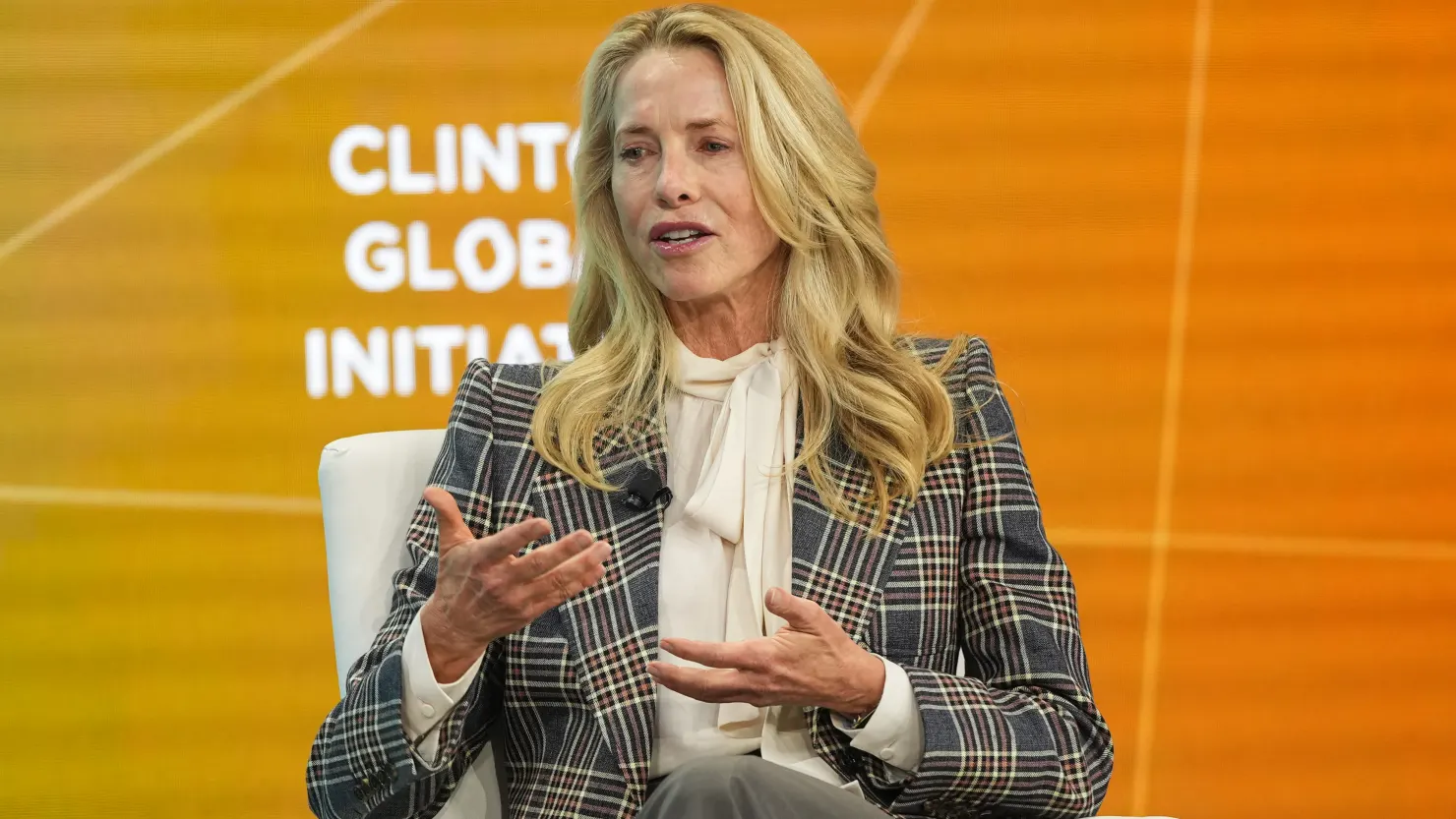
One example is the participation of Emerson Collective, the investment and philanthropic organization founded by Laurene Powell Jobs, in a $1 billion funding round for World Labs, a company developing spatial intelligence technologies. Its early product enables users to generate and edit complex 3D environments using text and visual prompts, highlighting how AI may expand into areas such as design, simulation, and digital world-building. As highlighted in YourDailyAnalysis, investors are increasingly targeting foundational technologies rather than short-lived consumer applications.
Family offices have also shown strong interest in generative media tools. The family office of Indian billionaire Azim Premji joined a $315 million Series E round for Runway, a startup developing AI-driven video generation technology. Such platforms are already being adopted in film production, advertising, and digital content creation, suggesting that AI could significantly reshape creative industries.
Private investment data indicate that family offices completed more than 40 direct startup investments in February, with most of those deals tied to artificial intelligence. At the same time, the broader startup ecosystem experienced a surge in AI funding, reflecting the scale of investor enthusiasm around the technology.
At the same time, the concentration of capital raises questions about sustainability. According to analysis presented in YourDailyAnalysis, the pace of AI funding resembles earlier technology cycles in which emerging innovations attracted heavy investment before stable business models fully developed. This dynamic could place pressure on startups that have yet to demonstrate consistent revenue generation.
Another emerging investment theme is infrastructure and AI reliability tools. Hillspire, the investment firm associated with former Google CEO Eric Schmidt, participated in a $150 million funding round for Goodfire, a company focused on improving understanding and transparency in AI models. Technologies that enhance safety, explainability, and performance are becoming increasingly valuable as AI adoption accelerates.
Many technology leaders remain optimistic about the long-term economic potential of artificial intelligence despite these risks. Eric Schmidt has argued that comparisons between the current AI boom and the dot-com bubble may be overstated, emphasizing that investors are motivated by the expectation of substantial long-term returns.
From the perspective of the YourDailyAnalysis editorial outlook, the continued participation of family offices is particularly meaningful because these investors typically operate with longer time horizons. Their willingness to commit capital suggests that artificial intelligence is still viewed as a transformative technology capable of reshaping multiple industries.
Nevertheless, rapid capital inflows inevitably increase the risk of valuation corrections if economic conditions tighten or if some AI startups struggle to scale their technologies commercially. In the view of Your Daily Analysis, the companies most likely to succeed will be those that move beyond experimental tools and integrate their technology into large-scale enterprise workflows.
Ultimately, while market volatility may periodically revive fears of an AI bubble, the steady flow of private capital indicates that many long-term investors remain convinced that artificial intelligence will generate significant economic value in the years ahead.