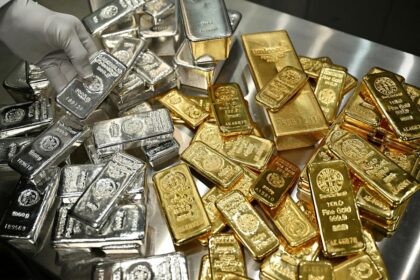


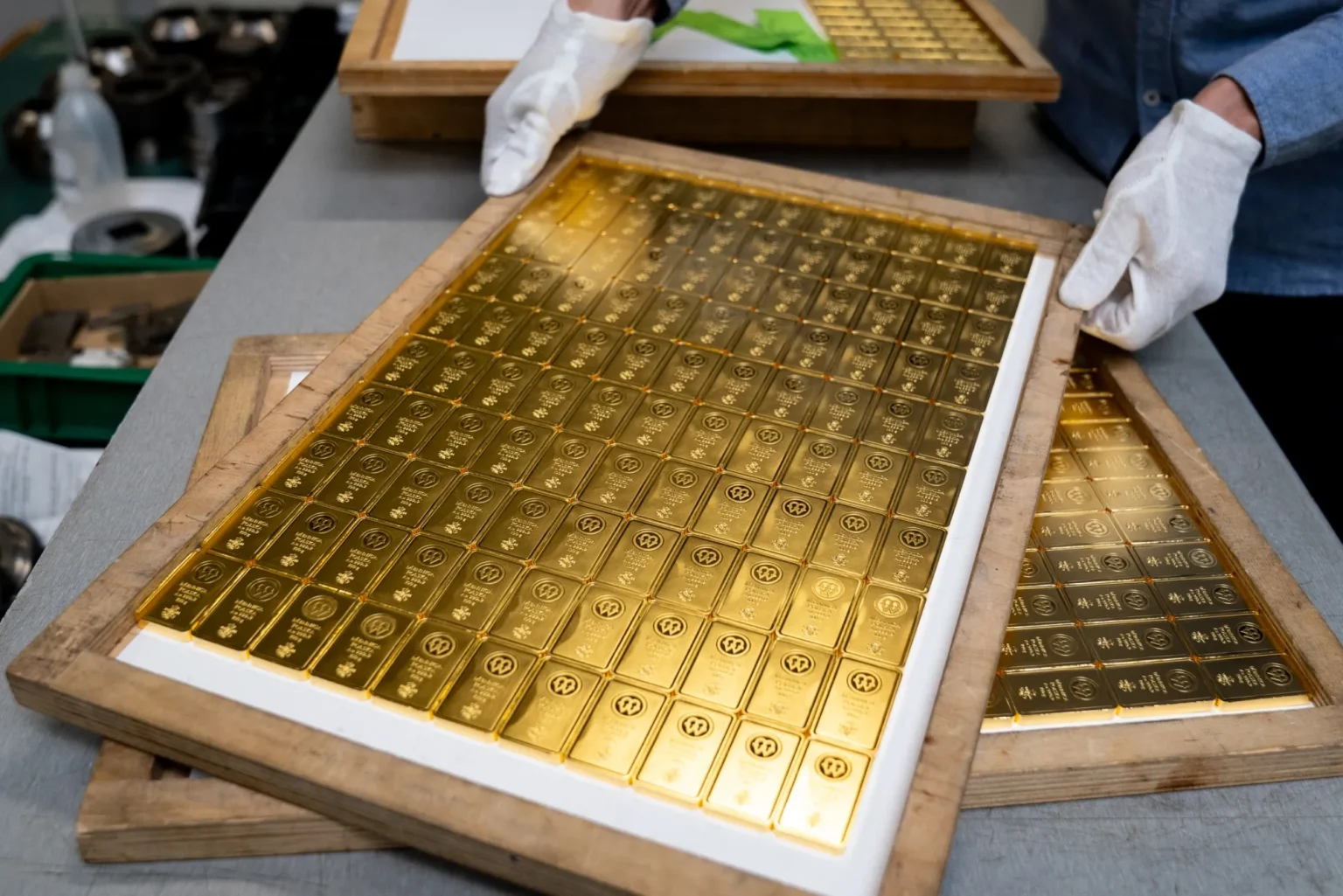
Gold prices stabilized at the start of the week, trimming earlier losses as the U.S. dollar weakened and oil prices retreated after signals from Washington suggested the conflict between the United States and Iran may not develop into a prolonged military campaign. The shift in sentiment eased some of the pressure that had weighed on precious metals in recent sessions, although market conditions remain volatile. According to YourDailyAnalysis, the earlier decline in gold reflected a complex macroeconomic dynamic rather than a simple loss of safe-haven demand. While geopolitical tensions usually support gold prices, the sharp rise in energy markets increased inflation concerns and pushed bond yields higher. This strengthened expectations that the Federal Reserve may delay monetary easing. Rising interest rates typically weigh on non-yielding assets such as gold, explaining the temporary correction despite elevated geopolitical risks.
The U.S. dollar index slipped about 0.2%, offering immediate support to the metal. Because gold is priced globally in dollars, any weakening of the U.S. currency makes the asset more accessible for international buyers and tends to stimulate demand. In the short term, the dollar’s movement played a larger role in stabilizing prices than geopolitical headlines alone.
Expectations regarding U.S. monetary policy also remain central. Recent economic data, particularly signs of cooling in the labor market, prompted traders to slightly increase bets that the Federal Reserve could eventually move toward rate cuts. Analysts cited by YourDailyAnalysis note that gold typically performs better when investors anticipate lower real interest rates, as the opportunity cost of holding a non-yielding asset declines.
Energy markets continue to shape the outlook. Oil prices surged earlier amid concerns that tensions in the Persian Gulf could disrupt supply routes such as the Strait of Hormuz, through which a significant share of global oil shipments passes. Such risks increase inflation expectations and complicate central bank policy decisions.
However, as oil prices pulled back from recent highs, some of that inflation risk began to ease. Market strategists referenced by Your Daily Analysis emphasize that gold is currently reacting less to geopolitical headlines themselves and more to how those events influence inflation forecasts, interest-rate expectations, and currency movements.
Despite recent volatility, gold remains one of the best-performing major assets this year, rising roughly 19% since the beginning of the year. Persistent demand from central banks has played a key role in supporting prices. Several monetary authorities have continued to diversify reserves into gold, with China extending its purchasing streak for more than a year.
From a broader perspective, YourDailyAnalysis highlights that the near-term trajectory of gold will depend on three factors: the direction of energy prices, the resilience of the U.S. labor market, and movements in the dollar. If economic data weakens while inflation pressures ease, gold could regain upward momentum. For now, the metal remains both a hedge against uncertainty and a sensitive indicator of shifting global macroeconomic expectations.