



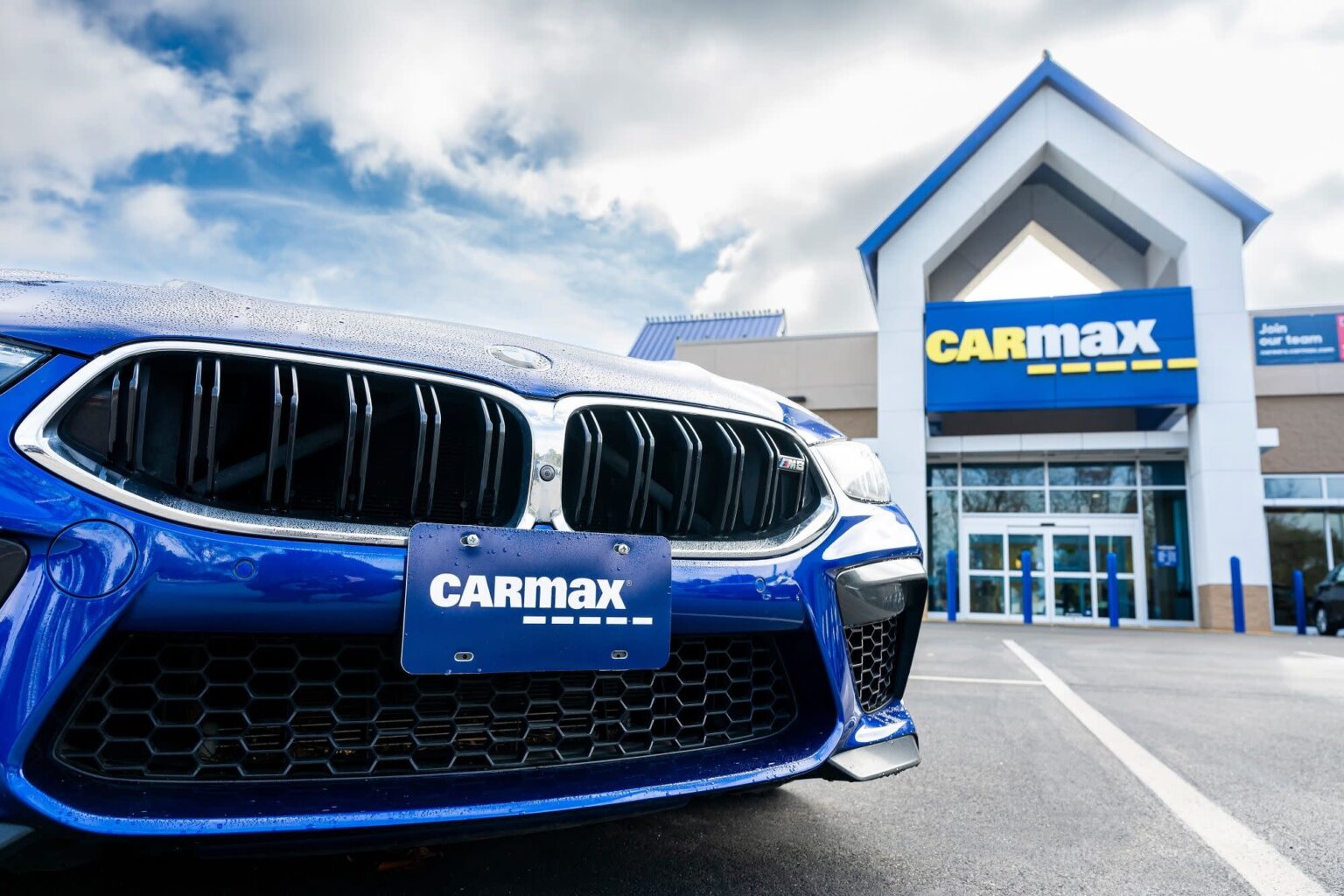
Activist investment firm Starboard Value has built a stake worth roughly $350 million in CarMax, positioning itself to influence the strategy of the largest used-car retailer in the United States as the company prepares for a leadership transition. YourDailyAnalysis notes that the investment signals growing activist interest in companies whose operational assets remain strong but whose recent performance has lagged peers.
Starboard confirmed that it has nominated its chief executive Jeff Smith and former Frontdoor chief executive Bill Cobb for seats on CarMax’s board of directors. The move comes as Keith Barr, the former head of InterContinental Hotels Group, prepares to take over as CarMax’s chief executive this month. In a letter to Barr, Smith expressed support for the incoming leadership while arguing that the company has significant room to improve operational performance. According to YourDailyAnalysis, activist investors often target market leaders that possess valuable infrastructure but show signs of operational drift over time. In CarMax’s case, the company operates a network of more than 250 physical retail locations and sells over one million vehicles annually, giving it one of the most extensive used-car distribution systems in the country.
Starboard’s thesis centers on the idea that CarMax’s asset base would be extremely difficult to replicate today. The company has spent decades building logistics networks, vehicle reconditioning facilities and retail infrastructure. Investors therefore see an opportunity to unlock value if those assets can be used more efficiently.
At the same time, CarMax has struggled to maintain momentum in the rapidly evolving online automotive marketplace. Rivals such as Carvana have expanded aggressively in digital-first car sales, while other platforms have invested heavily in online listings and auction marketplaces. Despite being an early pioneer in digital vehicle sales, CarMax has lost ground in recent years as competition intensified. YourDailyAnalysis observes that CarMax’s hybrid business model – combining online transactions with physical dealership locations – could still offer a strategic advantage. Many used-car buyers continue to prefer inspecting vehicles in person before completing purchases, particularly when financing, warranties and service plans are involved.
Starboard believes operational improvements could significantly enhance the company’s financial performance. The activist investor has suggested reducing administrative costs, improving vehicle refurbishment efficiency and implementing more dynamic pricing strategies. It also sees potential to streamline customer interactions across the company’s online and physical sales channels.
Improving the digital customer experience has become a central focus. While CarMax has invested heavily in digital capabilities, Starboard argues that the overall purchasing journey remains more complex than leading e-commerce platforms. Simplifying financing options, clarifying pricing structures and integrating service offerings more smoothly could increase conversion rates and inventory turnover.
Starboard brings prior experience in the automotive marketplace sector. The firm previously invested in Cars.com and helped influence strategic changes at RB Global, formerly known as Ritchie Bros. Auctioneers, during its acquisition of the used-vehicle auction platform IAA. That background suggests the firm may pursue similar operational reforms at CarMax.
CarMax’s board has signaled a willingness to engage with the activist investor. Executive Chairman Tom Folliard said discussions with Starboard have so far been productive and that the company remains focused on strengthening performance for shareholders.
The company’s recent share performance partly explains the activist interest. Over the past year, CarMax stock has fallen roughly 41%, significantly underperforming many peers in the automotive retail sector. By comparison, shares of Cars.com declined about 35%, while Carvana surged roughly 80% during the same period.
Your Daily Analysis highlights that broader market conditions have also affected the used-car industry. Expectations that tariffs on imported vehicles might boost used-car demand initially supported the sector earlier this year. However, policy adjustments and delays in implementing those measures have reduced the anticipated impact on new-car prices, softening the expected benefit for used-car retailers.
Leadership changes have further added to the company’s transition period. Late last year CarMax removed former chief executive William Nash following weak sales performance and declining share prices. Board member David McCrea has served as interim chief executive since then, overseeing operations while the company prepared for Barr’s arrival.
As Barr assumes leadership, investors will be watching closely to see whether CarMax can stabilize its competitive position while improving operational efficiency. YourDailyAnalysis suggests that the combination of activist pressure and new management could mark a turning point if the company succeeds in modernizing its digital platform while fully leveraging its extensive physical retail network.