


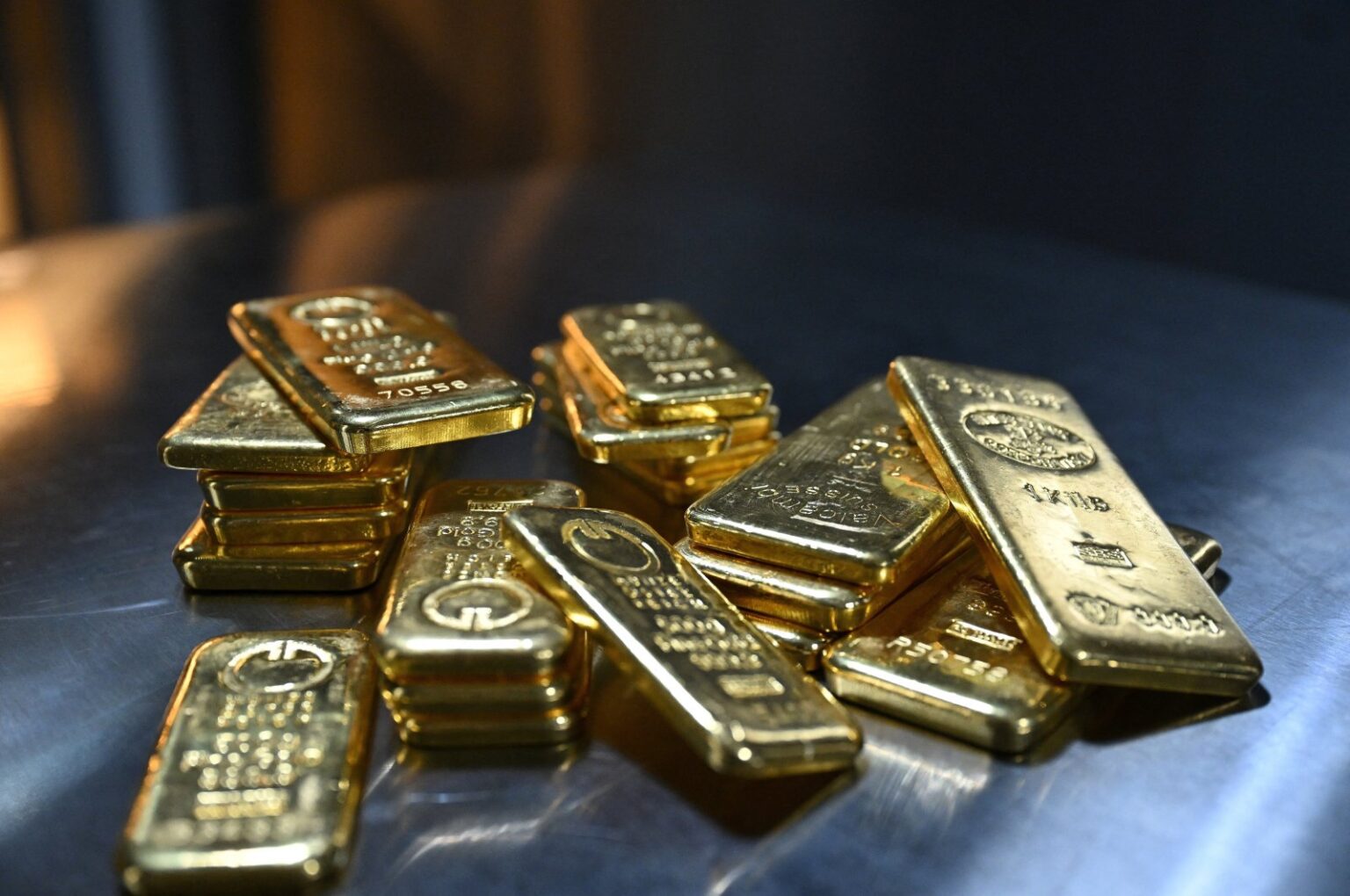
Gold slipped on Friday as the US-Iran standoff turned a classic haven trade into something more uncomfortable: a bet caught between military risk and stubborn inflation. Bullion fell after a brief rebound, with traders watching Washington maintain its naval blockade on Iran while Tehran tied any reopening of the Strait of Hormuz to the end of that pressure. For YourDailyAnalysis, the move exposes a harsher market reality – geopolitical fear alone cannot carry gold when the same crisis keeps interest-rate relief out of reach.
The conflict has now lasted nine weeks, long enough for the energy shock to seep into inflation expectations rather than sit as a temporary headline risk. Higher oil and gas costs change the way central banks read the next few quarters, especially when supply disruption comes from a chokepoint as sensitive as Hormuz. Gold normally benefits from fear, but it struggles when fear also pushes real yields higher, strengthens the case for tighter policy and makes cash-generating assets look less vulnerable.
That tension explains why the metal has lost around 13% since the war began at the end of February. The selling does not mean investors have abandoned the long-term gold story; it means the near-term setup has become messy, almost annoyingly so. YourDailyAnalysis places the pressure point in the collision between two instincts: buying protection from geopolitical escalation and selling an asset that pays no income when central banks delay cuts or even consider fresh hikes.
Currency moves added another layer of noise. Gold gained on Thursday after the yen surged on reports of Japanese intervention, dragging the dollar lower and giving bullion a short-lived lift. A softer US currency usually helps dollar-priced metals, but that support looks fragile when the larger macro question remains unresolved. If the dollar weakens because authorities are fighting disorderly moves, that is different from a broad easing cycle that improves gold’s underlying appeal.
The split across precious metals also matters. Spot gold slipped to $4,585.13 an ounce in London, while silver, platinum and palladium edged higher, leaving bullion looking less like the unquestioned leader of the complex. Your Daily Analysis treats that divergence as a sign of positioning fatigue rather than a clean rejection of gold’s role. Investors still want inflation hedges and strategic metals exposure, but they are no longer paying any price for the most crowded refuge.
Central-bank buying keeps the medium-term floor from looking weak. First-quarter accumulation reached the fastest pace in more than a year, and retail demand in China has continued to absorb part of the selling pressure. Those flows are slower, stickier and less theatrical than futures-market reactions, which is precisely why they matter. They do not prevent sharp pullbacks, but they reduce the chance that every rate-driven decline turns into a full retreat from the asset class.
The real trigger for a shift would not be another dramatic military headline by itself. Gold needs a cleaner combination: de-escalation in the Middle East, lower energy-risk premiums, softer interest-rate expectations and a dollar that weakens for macro reasons rather than intervention noise. Until that mix appears, bullion sits in an awkward corridor, supported by structural buyers but punished by the interest-rate channel. In the final read from YourDailyAnalysis, gold has not lost its haven status – it has been forced to compete with the inflation it was supposed to protect against.