


The escalation of the conflict involving Iran is beginning to disrupt one of the most deeply embedded assumptions in modern portfolio construction: that government bonds will rise when equities fall. Recent market behavior suggests that this relationship is weakening as energy-driven inflation risks reshape investor expectations. Analysts at YourDailyAnalysis note that the current environment is forcing fund managers to rethink hedging strategies that have guided asset allocation for decades.
In recent trading sessions, U.S. Treasury yields have risen even as equity markets declined. For example, the yield on two-year Treasuries climbed to its highest level since late summer while the S&P 500 fell noticeably during the same period. This simultaneous move has undermined the traditional “60/40” portfolio model in which bonds are expected to offset equity losses during periods of stress.
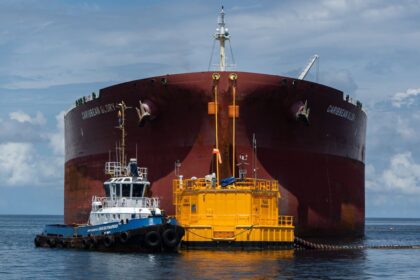
The breakdown of this relationship is largely linked to the risk of an energy-driven inflation shock. Rising oil prices tied to geopolitical tensions are increasing the probability of a stagflation scenario in which inflation accelerates while global growth weakens. According to YourDailyAnalysis, such an environment limits the ability of central banks to respond with aggressive rate cuts, removing a key mechanism that historically supported bond prices during economic downturns.
As a result, portfolio managers are expanding their defensive strategies beyond traditional assets. Many institutions have increased allocations to cash, derivatives and option-based hedging structures designed to protect portfolios during sharp equity declines. Analysts at YourDailyAnalysis emphasize that these nonlinear strategies are gaining popularity because they provide targeted protection rather than relying on broad asset-class diversification.
Currency positioning has also shifted. The U.S. dollar has strengthened as investors return to it as a global safe-haven asset, reversing expectations that had previously favored dollar weakness. This change reflects a broader flight toward liquidity as geopolitical uncertainty intensifies and energy markets remain volatile. Commodity markets have emerged as another area of defensive positioning. Some investors are focusing on materials and agricultural goods linked to supply chains that pass through the Strait of Hormuz, a critical energy and trade corridor. In addition, selective interest has appeared in assets that may benefit indirectly from energy price shocks or commodity cycles.
Unexpectedly, certain regional assets have also attracted attention. Some strategists point to Chinese equities as relatively insulated from Middle Eastern energy disruptions due to the country’s diversified energy supply. Meanwhile, currencies tied to commodity-exporting economies have gained support as higher energy prices improve their trade dynamics.
Despite these shifts, many institutional investors are reducing overall risk exposure rather than aggressively repositioning portfolios. Increasing cash allocations and holding short-duration high-quality securities has become a common strategy as fund managers wait for clearer signals from global markets. YourDailyAnalysis observes that this growing preference for liquidity reflects uncertainty about how long the geopolitical shock may last. If energy prices remain elevated, inflation pressures could persist, making it difficult for central banks to provide rapid monetary easing. In such a scenario, traditional diversification tools may continue to offer limited protection.
The broader implication is that portfolio construction itself may be entering a period of transition. Investors are moving away from simple cross-asset diversification toward more flexible strategies that combine currencies, commodities, derivatives and selective equity exposure. Your Daily Analysis concludes that markets are shifting toward a regime in which correlation patterns are less predictable. Monitoring energy prices, dollar strength and the trajectory of monetary policy will be critical for understanding how effective different hedging strategies may become in the months ahead.