


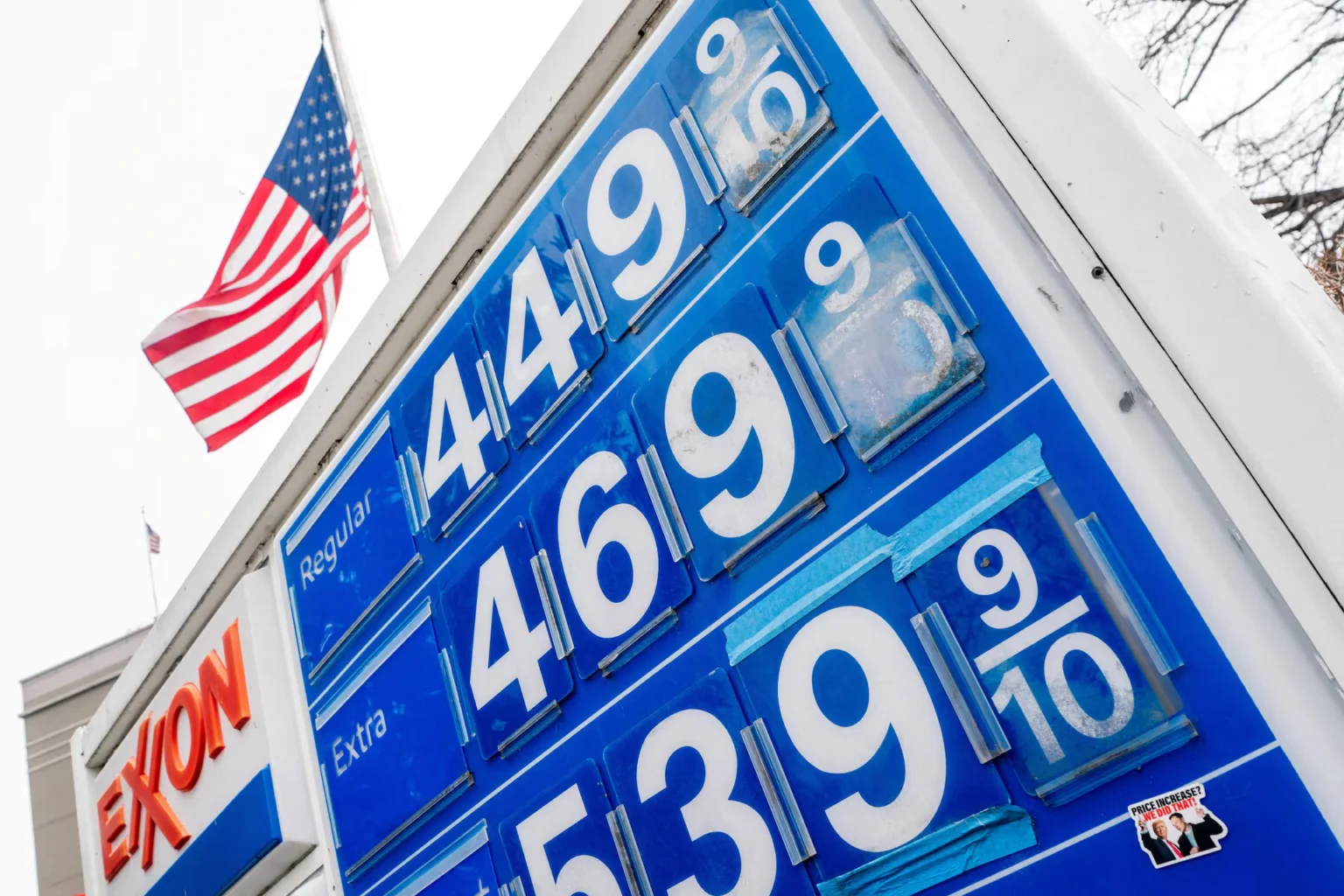
Energy markets have moved to the center of both economic and political risk, as the current oil shock linked to the Iran conflict begins to filter directly into consumer prices. What initially appeared to be a short-term geopolitical spike is increasingly being reassessed as a more persistent structural disruption with implications for inflation, monetary policy, and electoral dynamics. YourDailyAnalysis observes that U.S. oil prices have surged above $100 per barrel, while diesel has climbed past $5 per gallon, marking the highest levels since the 2022 energy crisis. Retail gasoline prices have also risen sharply in recent weeks. In our assessment, this shift represents more than volatility in commodity markets – it reflects a direct transmission of geopolitical risk into household expenses, making energy prices a highly visible economic pressure point.
The primary driver of this surge is not purely speculative sentiment but tangible supply disruption. The effective blockade of the Strait of Hormuz, through which roughly one-fifth of global oil flows, has constrained physical supply routes. YourDailyAnalysis highlights that such disruptions extend beyond crude into refined products, including diesel and aviation fuel. We believe this distinction is critical: when refining and distribution chains are affected, price pressures tend to persist longer and spread more broadly across the economy.
YourDailyAnalysis further notes that while policymakers expect prices to decline following any de-escalation, market participants remain skeptical. Industry estimates suggest that even in the event of a diplomatic breakthrough, normalization of supply chains and logistics would take months rather than weeks. In our view, this lag effect creates a disconnect between political expectations and market realities, increasing the risk of prolonged elevated fuel costs.
Forward-looking indicators reinforce this perspective. Government projections for 2026 have been revised higher, with oil price expectations rising significantly alongside upward revisions in gasoline price forecasts. Futures markets are also pricing in elevated energy costs over the coming year. YourDailyAnalysis interprets this as a structural repricing rather than a temporary spike. We agree, noting that sustained geopolitical risk and constrained supply capacity are likely to keep energy markets tight.
At the consumer level, fuel prices carry disproportionate weight in shaping economic sentiment. Gasoline prices function as one of the most visible indicators of cost-of-living pressure. From our standpoint, this visibility amplifies their political and macroeconomic significance: sustained high prices can influence consumption patterns, inflation expectations, and ultimately policy responses.
Efforts to mitigate the shock are already underway. Coordinated releases from strategic petroleum reserves and adjustments to sanctions frameworks aim to increase supply and stabilize markets. However, YourDailyAnalysis notes that these measures are gradual and limited in immediate impact. In our view, such interventions can smooth volatility but are unlikely to fully offset structural supply constraints in the near term.
Another important dynamic is the divergence between crude oil prices and refined fuel costs. Even if crude benchmarks stabilize or decline, refining bottlenecks and inventory shortages may keep gasoline and diesel prices elevated. We believe this lag effect represents a key risk often underestimated in market narratives focused solely on crude prices.
YourDailyAnalysis also points out that political exposure is rising alongside economic pressure. Fuel costs are already embedded in broader concerns around affordability, and prolonged price increases could intensify these pressures. In our assessment, energy prices are likely to remain a central variable influencing both market sentiment and policy discourse in the coming months.
In conclusion, the current energy shock is evolving from a short-term disruption into a more persistent macroeconomic factor. Your Daily Analysis suggests that markets are beginning to price in a longer adjustment period, with implications for inflation, growth, and policy expectations. We concur, emphasizing that the trajectory of energy prices will depend on both geopolitical developments and the speed of supply normalization.
From a strategic perspective, we expect continued volatility in energy and rates markets. If the conflict stabilizes quickly, prices may ease gradually, though likely not immediately. Conversely, prolonged disruption could sustain upward pressure on inflation and delay monetary easing. In this environment, maintaining flexibility and closely monitoring energy market dynamics will be critical for both investors and policymakers.