


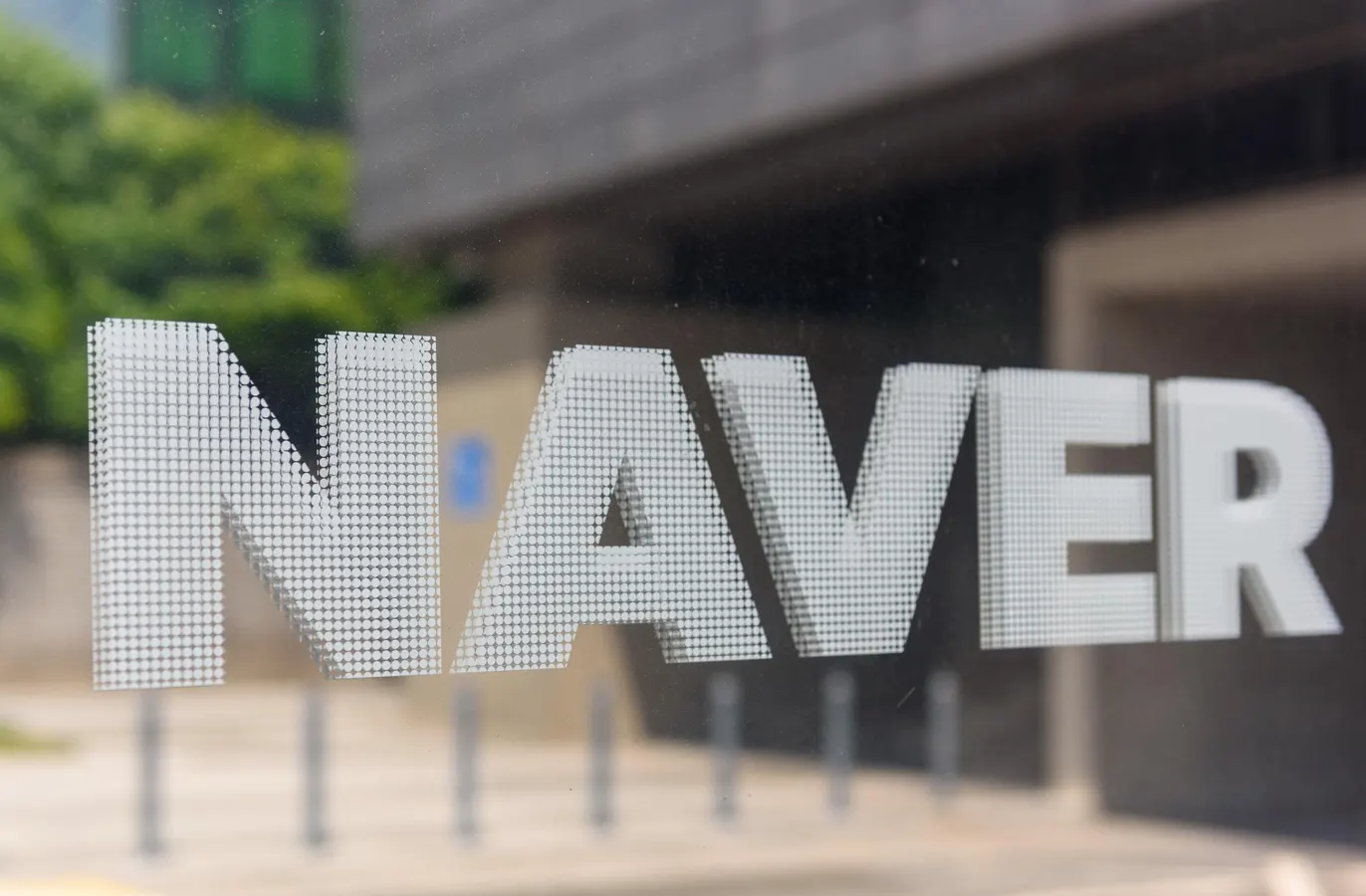
South Korea has just produced one of the most consequential tech deals of the year. Naver Financial’s decision to acquire Dunamu, the operator of Upbit, signals a shift far larger than a simple expansion into fintech. As we note at YourDailyAnalysis, the structure and timing of the transaction show that Asia’s Web3 ecosystem is moving out of its experimental phase and into an era where institutional players race to secure the core infrastructure before global competition intensifies.
The 15.13 trillion won share-swap agreement – one of the largest in Asia this year – reorients Naver Financial’s strategy toward digital assets, stablecoins and blockchain-enabled services that are increasingly defining the future of consumer finance. Upbit, which commands roughly 70% of South Korea’s crypto trading market and delivers exceptionally high margins, is not just an acquisition target; it is a strategic anchor. For Naver, long reliant on advertising, commerce and content, Dunamu represents a rare catalyst with exponential upside.
At YourDailyAnalysis, we emphasize that the two companies bring complementary strengths: Dunamu contributes a mature, highly profitable crypto infrastructure, while Naver offers distribution power, a massive user base and an integrated technology ecosystem. For consumers, this sets the stage for a new type of financial environment – one where traditional payments, investing, and Web3 utilities coexist inside a single platform.
An equally significant dimension is ownership. Following the share swap, Dunamu founder Song Chi-hyung will become the largest shareholder of Naver Financial. This underscores that the deal is less a takeover and more the formation of an integrated financial-tech architecture where crypto becomes the core engine of growth. As we observe inside YourDailyAnalysis, this positions Naver to pursue long-term ambitions ranging from domestic stablecoins to tokenized assets and cross-border settlement tools.
Investors were also reminded of the operational risks built into the crypto sector. Almost concurrently with the acquisition news, Upbit reported an “unusual withdrawal” of 54 billion won worth of crypto assets. The company apologized and covered the losses from its own reserves – but the incident highlighted how even dominant, well-capitalized exchanges operate under constant cybersecurity pressure. For public companies, this is not a trivial concern, and YourDailyAnalysis frequently notes that risk tolerance in Big Tech is far lower than in independent crypto firms.
Naver’s shares initially jumped more than 7% after the announcement before sliding 4% as the withdrawal incident unfolded. Still, the long-term logic of the deal appears intact. South Korea remains one of Asia’s most mature crypto economies – characterized by high retail participation, clear regulatory frameworks and a deeply embedded digital culture. For Naver, which has struggled to find a new engine of growth beyond content and e-commerce, Upbit provides access to a market where revenues scale with transaction volume rather than advertising cycles.
The next phase depends on integration speed and regulatory navigation. If Naver succeeds in merging Web2 and Web3 service layers into a seamless consumer experience, it could become South Korea’s dominant financial gateway – something akin to a “Korean Coinbase,” but embedded directly into everyday digital life.
Ultimately, Your Daily Analysis views the Naver–Dunamu deal as a defining moment: a pivot that positions one of Asia’s leading internet players at the foundation of the country’s digital financial infrastructure. Looking ahead, investors should watch three critical indicators – regulatory shifts in Korea’s digital-asset framework, the pace of ecosystem integration, and Upbit’s operational resilience following the recent incident. Should these factors align, the combined entity could become one of the most influential forces in Asia’s digital-asset economy for years to come.