


Escalating conflict in the Middle East and the resulting volatility in oil and gas markets are accelerating a structural shift in global energy dynamics, with China positioned to strengthen its strategic advantage. Market turbulence linked to disruptions around the Strait of Hormuz has intensified the urgency of energy security, reinforcing trends that YourDailyAnalysis tracks across both commodity flows and long-term infrastructure transitions.
The immediate environment reflects a dual pressure on global economies. On one side, supply risks tied to Middle Eastern exports continue to drive price instability, exposing the vulnerability of import-dependent regions. On the other, the fragility of ceasefire agreements and recurring disruptions highlight the limits of traditional energy security frameworks built around fossil fuel supply chains. Asia – as the largest importer of Middle Eastern oil – faces a particularly acute challenge, prompting governments to accelerate diversification strategies.
China’s positioning within this context reflects years of structural preparation rather than reactive policy. The country remains a major importer of crude, including flows from Iran, which introduces short-term exposure to geopolitical shocks. Yet a decade-long expansion of renewable capacity, electrification, and strategic reserves has materially reduced sensitivity to external supply disruptions. YourDailyAnalysis highlights that low-carbon sources now account for a significantly larger share of electricity generation, while renewables dominate installed capacity, shifting the energy mix away from oil and gas dependence.
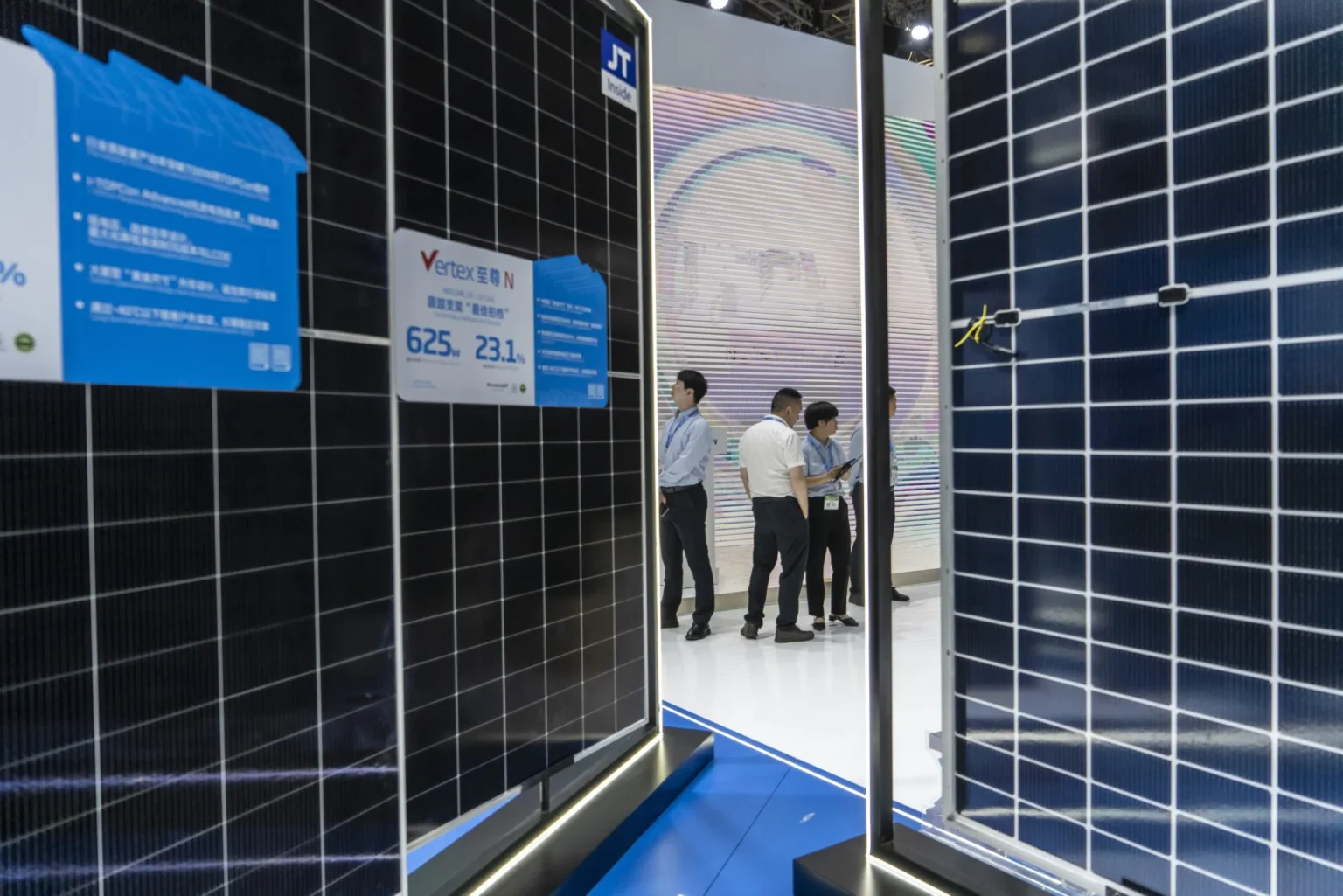
This transformation alters not only domestic resilience but also China’s external leverage. As other economies seek to reduce reliance on volatile hydrocarbon imports, demand for renewable infrastructure – including solar modules, battery systems, and grid technologies – continues to rise. China’s dominance across these supply chains positions it as a primary supplier for the global transition. YourDailyAnalysis frames this dynamic as a strategic inversion – where traditional energy exporters face uncertainty while clean-tech manufacturers gain influence over future energy systems.
However, the internal structure of China’s clean-tech sector introduces complexity. Years of rapid expansion have driven down prices, compressing margins and intensifying competition. Recent market behavior reflects this tension, with sharp gains in some energy-related equities followed by equally rapid corrections. YourDailyAnalysis connects this volatility to an ongoing consolidation cycle, where financially stronger firms with pricing power and access to capital are expected to outlast smaller, highly leveraged competitors.
Policy intervention plays a critical role in shaping this consolidation. Efforts to address overcapacity, including adjustments to export incentives and strategic prioritization within industrial planning, indicate a shift toward stabilizing profitability rather than maximizing output. This recalibration suggests that China aims to balance global competitiveness with domestic sustainability, ensuring that key players remain viable while maintaining cost advantages in international markets.
The broader trajectory points to a reconfiguration of global energy hierarchies. As geopolitical risk continues to disrupt traditional supply routes, electrification and renewable deployment increasingly define resilience. China’s integrated approach – combining manufacturing scale, infrastructure investment, and strategic reserves – positions it at the center of this transition. Your Daily Analysis identifies this convergence as a decisive factor shaping future energy systems, where technological capacity rather than resource ownership determines long-term advantage.