

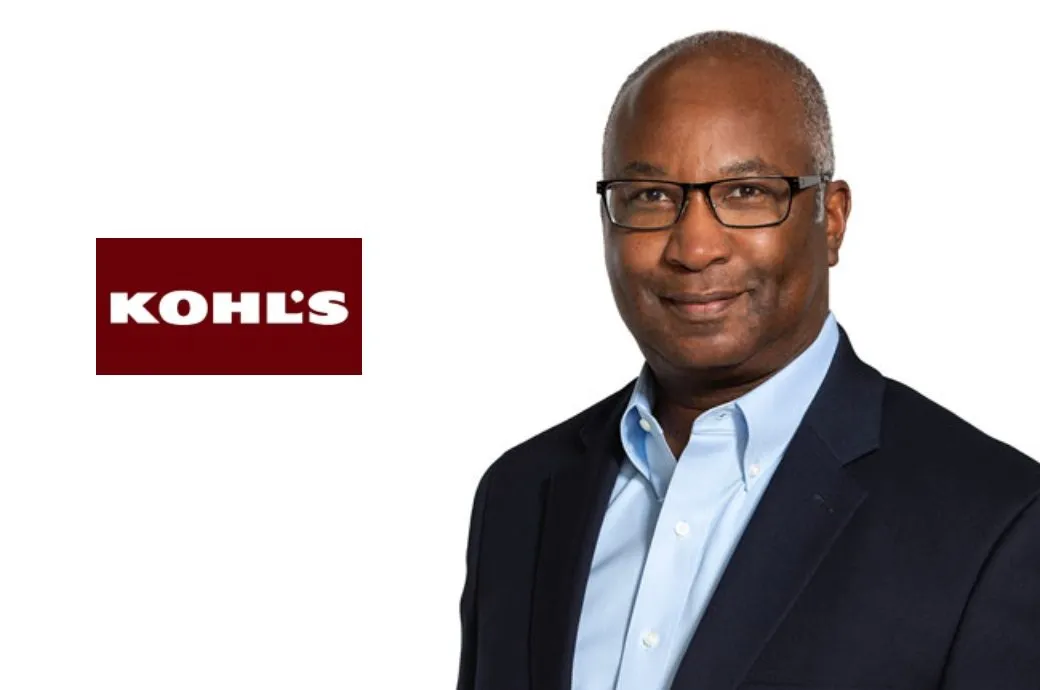
Kohl’s has entered another pivotal moment – one of those turning points that retail companies rarely navigate smoothly, yet that often marks the beginning of real transformation. On Monday, the company announced that interim chief executive Michael Bender will step into the role permanently. This marks the third CEO change in less than three years, and as we note at YourDailyAnalysis, such rapid turnover signals deeper structural issues: “When a company burns through leadership this quickly, it’s a sign that it hasn’t yet found the strategy capable of anchoring future growth.”
Bender took over in May, following the abrupt dismissal of Ashley Buchanan. An internal probe concluded that Buchanan attempted to enter into supplier agreements with a vendor with whom he had a personal relationship. It was a damaging episode for Kohl’s reputation and an even more troubling reflection of weak governance standards. As we emphasize at YourDailyAnalysis, “Leadership scandals often cost companies more than any sales decline – they corrode culture from the inside.”
Kohl’s was already facing shrinking demand when the scandal erupted. The retailer projected a 5–6% drop in annual net sales, while consumers were becoming more selective and price-conscious. Bender described shoppers as “enthusiastic but demanding clear value,” a sentiment that mirrors the broader U.S. retail landscape. Customers are still spending – but no longer spending automatically. At YourDailyAnalysis, we argue that “in such cycles, the winners are the retailers that reshape their business models faster than their competitors.”
Leadership instability predates the recent turmoil. In 2022, former CEO Michelle Gass left for Levi Strauss, with board member Tom Kingsbury stepping in temporarily before securing the role permanently. Yet none of these transitions produced the momentum Kohl’s needed. This turns Bender’s appointment into more than a personnel decision – it is an attempt to restore organizational coherence. With three decades of experience at Walmart, Victoria’s Secret and other retailers, the board considers him “an ideal candidate,” but his biggest challenge will be delivering operational clarity and accelerating the turnaround in a sector squeezed by both economic and competitive pressures.
Financial performance tells a mixed story. Kohl’s shares are up nearly 12% since the start of the year, but the stock has lost more than half its value over the past five years. Investors appear cautiously optimistic, betting on the possibility of renewal. Still, as we point out in YourDailyAnalysis, “the recent uptick in valuation is a vote of confidence – not a guarantee. The market wants visible progress, not just managerial stability.”
Bender’s appointment gives Kohl’s an opportunity to reset – closing the chapter on governance missteps and aligning the business with shifting consumer expectations. If he can strengthen internal controls, refine merchandising strategy, accelerate omnichannel investments and rebuild shopper trust, the company may finally emerge from its cycle of stagnation. If not, Kohl’s risks joining the group of legacy retailers that reacted too slowly to changing market dynamics while cycling through leaders without a clear strategic anchor.
In closing, Your Daily Analysis underscores that Kohl’s path through 2026 and beyond will depend on whether its new leadership can convert years of turbulence into a foundation for growth. The market has offered the company another chance – and now Kohl’s must prove it can make good on it.