



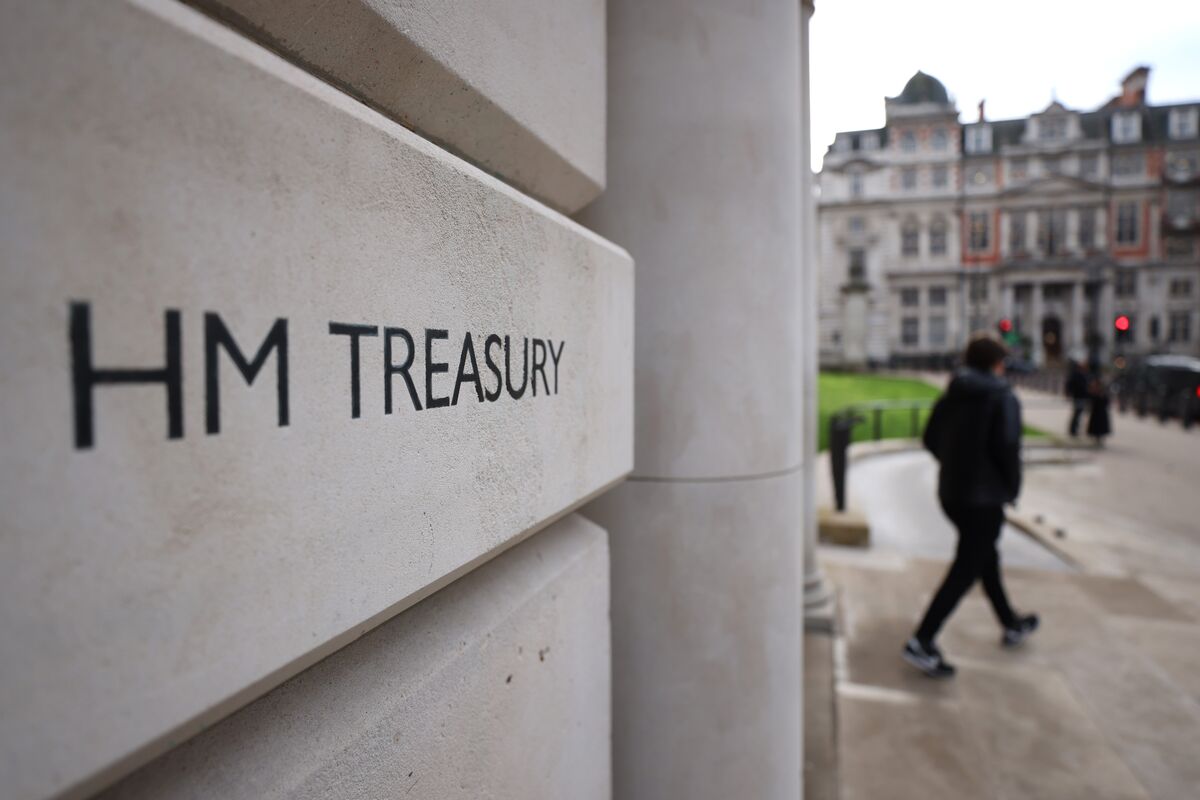
Britain’s latest sovereign debt sale has turned into a landmark signal for global markets, with YourDailyAnalysis capturing how investors are aggressively locking in elevated yields amid geopolitical uncertainty. The UK’s £15 billion 10-year gilt issuance drew an unprecedented £148 billion in orders, while the final yield of 4.9158% marked the highest level for such maturities since the 2008 financial crisis.
This surge in demand reflects a recalibration of risk expectations rather than simple yield chasing. The conflict involving Iran has pushed inflation expectations higher, driving benchmark yields above 5% in recent weeks before partial retracement. Investors now face a compressed window where yields remain historically elevated but may decline if geopolitical tensions ease or energy markets stabilize. That dynamic is encouraging large institutional buyers to secure returns before potential normalization.
Across European credit markets, similar patterns are emerging. Syndicated issuance volumes have surged, with high-grade and subordinated debt attracting multiples of their offering sizes. YourDailyAnalysis emphasizes that this broad-based demand – spanning sovereign, bank capital, and corporate debt – indicates not only confidence in credit resilience but also a structural shift toward income-driven allocation strategies as volatility persists.
The pricing environment, however, signals deeper stress beneath the surface. Elevated yields reflect both inflation risk and a growing premium for uncertainty, particularly as supply chains and energy flows remain vulnerable to disruption. UK gilts, which underperformed sharply during the initial phase of the conflict, still trade significantly above pre-crisis yield levels despite recent stabilization. YourDailyAnalysis highlights that such persistent elevation suggests markets are embedding a longer-duration risk scenario rather than pricing a short-lived shock.
Issuers have responded by offering wider concessions to ensure deal execution, effectively transferring part of the risk premium to investors. This has reinforced a feedback loop in which strong demand coexists with structurally higher borrowing costs. Financial institutions, including major European banks, have capitalized on the environment to raise subordinated debt at attractive terms, even as investors demand compensation for tail risks tied to macro and geopolitical factors.
The implications extend beyond immediate funding conditions. Sustained higher yields raise debt servicing costs for governments and corporates, potentially constraining fiscal flexibility and investment capacity. At the same time, the willingness of investors to absorb large volumes of issuance suggests that liquidity remains intact, though increasingly selective. Your Daily Analysis reflects a market regime where capital continues to flow, but only at prices that acknowledge elevated systemic uncertainty and reduced tolerance for mispricing risk.