


Oil markets pushed to a three-week high as Brent crude moved above $110 per barrel, reflecting intensifying concern over prolonged disruptions in the Strait of Hormuz. Traders reacted to uncertainty surrounding Tehran’s proposal to end hostilities, while Washington maintained firm conditions on nuclear restrictions. Within this evolving standoff, YourDailyAnalysis highlights how pricing momentum increasingly reflects structural supply fears rather than short-term speculative flows.
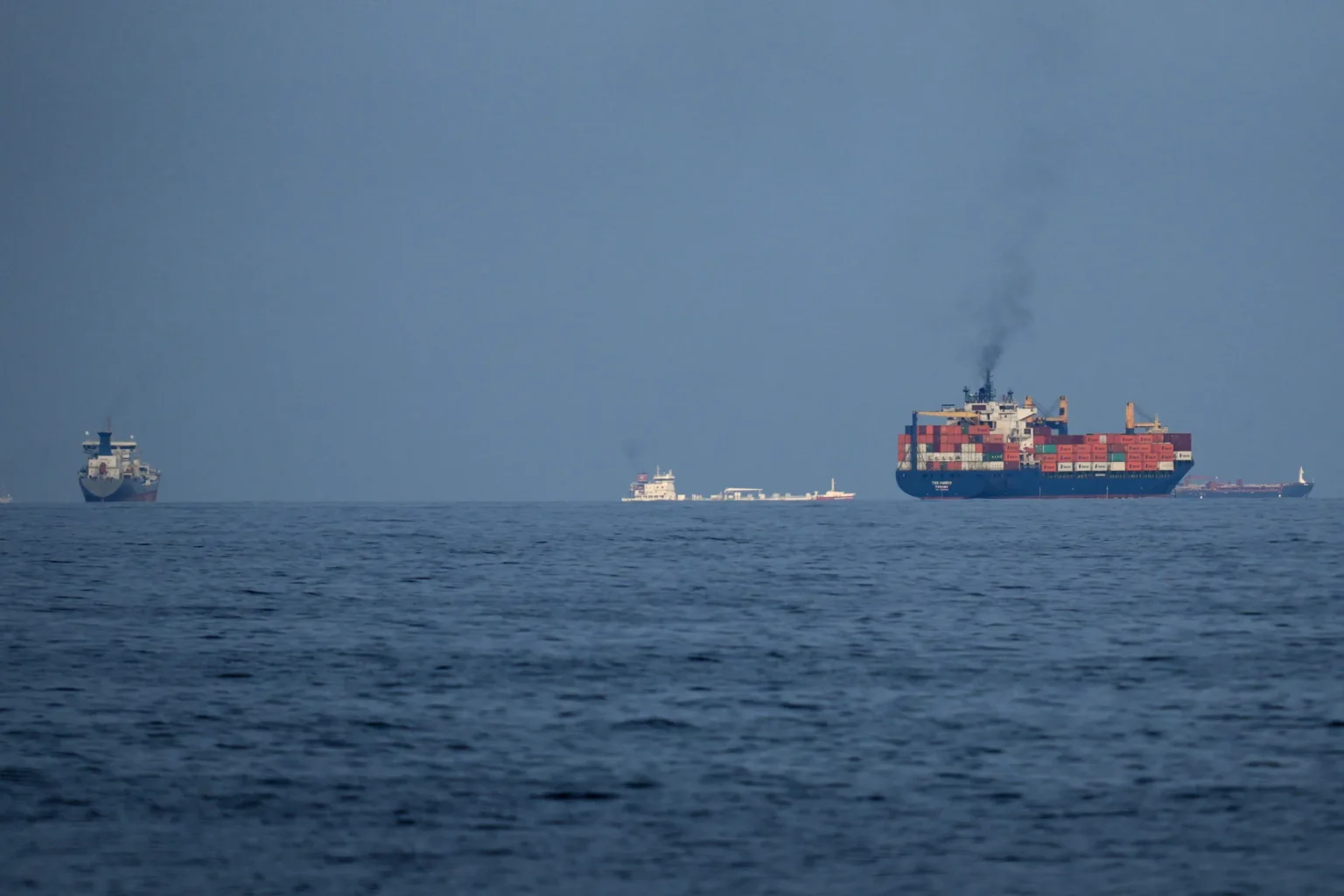
The strategic chokepoint has effectively ceased functioning as a transit corridor since early April, with naval blockades reducing tanker movement to near zero. Before the conflict, roughly 20% of global oil and liquefied natural gas shipments passed through the narrow waterway, making its closure a direct shock to energy logistics. This disruption coincides with already tight global inventories and constrained spare capacity among major producers, amplifying the sensitivity of prices to geopolitical developments.
Iran’s proposal, which includes lifting blockades and establishing new legal guarantees for maritime transit, faces resistance due to unresolved disputes over nuclear enrichment and long-term security assurances. Signals from Washington indicate skepticism toward any framework that allows Tehran to retain influence over Hormuz, reinforcing expectations that negotiations will extend rather than resolve quickly. In parallel, intercepted tankers and enforcement actions have further restricted Iranian export capabilities, compounding pressure on global supply chains.
Market behavior increasingly reflects a shift from reactive volatility to embedded risk premiums. YourDailyAnalysis examines how futures curves are adjusting to a scenario where supply constraints persist beyond immediate diplomatic timelines, pushing longer-dated contracts higher and flattening traditional backwardation patterns. This suggests that traders are recalibrating expectations toward sustained disruption rather than temporary dislocation.
At the operational level, Iran faces mounting storage limitations as exports decline, raising the probability of forced production cuts. Such a development would tighten supply further, particularly in medium and heavy crude segments where substitution options remain limited. Meanwhile, refiners globally are adapting procurement strategies, seeking alternative routes and grades, often at higher transportation and processing costs. These adjustments ripple through downstream markets, reinforcing inflationary pressure across fuel and industrial sectors.
Financial markets are beginning to internalize the broader macroeconomic consequences. Elevated oil prices increase the likelihood of prolonged restrictive monetary policy, particularly as central banks weigh persistent energy-driven inflation against slowing growth indicators. Analysts at Your Daily Analysis underscore that this dynamic creates a feedback loop where energy costs sustain inflation expectations, limiting policy flexibility and reinforcing commodity price resilience.
The trajectory of prices now hinges less on immediate diplomatic signals and more on credible structural change in shipping flows. Even incremental progress in negotiations could trigger rapid corrections, yet the absence of enforceable guarantees keeps downside risks constrained. YourDailyAnalysis concludes that the current market equilibrium reflects a fragile balance – one where geopolitical inertia, rather than escalation alone, sustains elevated price levels and reshapes global energy risk calculations.