

Tensions between Washington and Brussels have sharpened again after Donald Trump signaled a sudden escalation in auto tariffs, pushing duties on European vehicles toward 25%. The move lands awkwardly in the middle of an already fragile implementation phase of the July trade deal, where compromises were meant to stabilize flows rather than reopen disputes – a dynamic that YourDailyAnalysis captures as a shift from managed friction back to strategic pressure. European officials are not treating the threat as rhetorical noise. The agreement itself rests on a delicate exchange: reduced barriers for US industrial exports in return for capped tariffs on European goods. Yet parts of that balance never fully settled, particularly around metals, where expanded US duties continued to bite even after revisions. That unresolved tension now bleeds into new sectors, turning what was supposed to be a contained disagreement into something broader and harder to ring-fence.
There is also a sequencing problem buried beneath the headlines. European institutions are still finalizing the legal machinery needed to enforce the deal, with timelines stretching into June. Introducing fresh tariff threats before that framework locks in creates a moving target for businesses – commitments exist on paper, but operational certainty remains thin. YourDailyAnalysis frames this phase less as implementation and more as renegotiation by pressure, where compliance becomes secondary to leverage.
Steel sits at the core of the unease, not just as a commodity but as a strategic anchor for industrial policy. The earlier expansion of US tariffs into downstream products widened the impact far beyond raw materials, touching manufacturing chains that depend on predictable input costs. European policymakers increasingly read this as a structural signal rather than a temporary measure, prompting discussions around defensive tools that had previously stayed in reserve. Your Daily Analysis approaches that shift as a transition from reactive trade policy toward preemptive economic shielding.
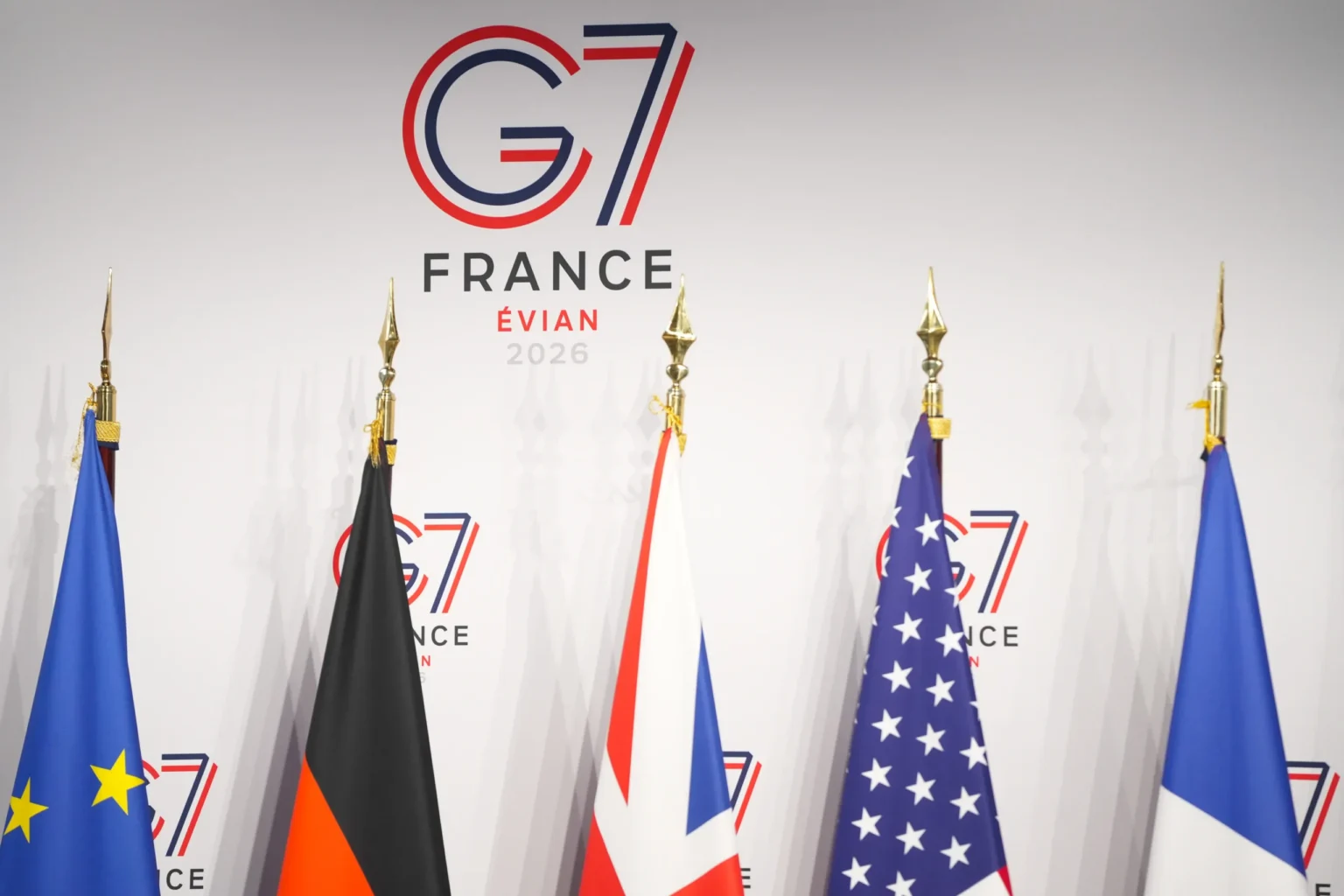
Political timing complicates the picture further. France is hosting G7 counterparts while attempting to steer conversations toward China’s industrial overcapacity and critical mineral dependencies. Instead, attention drifts back to transatlantic friction, pulling focus away from collective strategy. Coordination becomes harder when internal disputes consume diplomatic bandwidth, and the optics of division weaken any unified stance toward external competitors.
What emerges is not simply a tariff dispute but a test of how durable the current trade architecture really is. European leaders signal readiness to respond, yet escalation carries costs that extend beyond immediate retaliation – supply chains reconfigure slowly, and once trust erodes, agreements tend to lose their stabilizing force. YourDailyAnalysis leaves the situation hanging in that uneasy space, where formal deals exist but behave more like temporary pauses than lasting settlements.