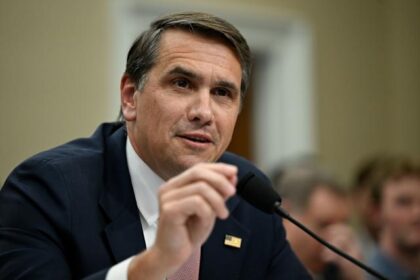



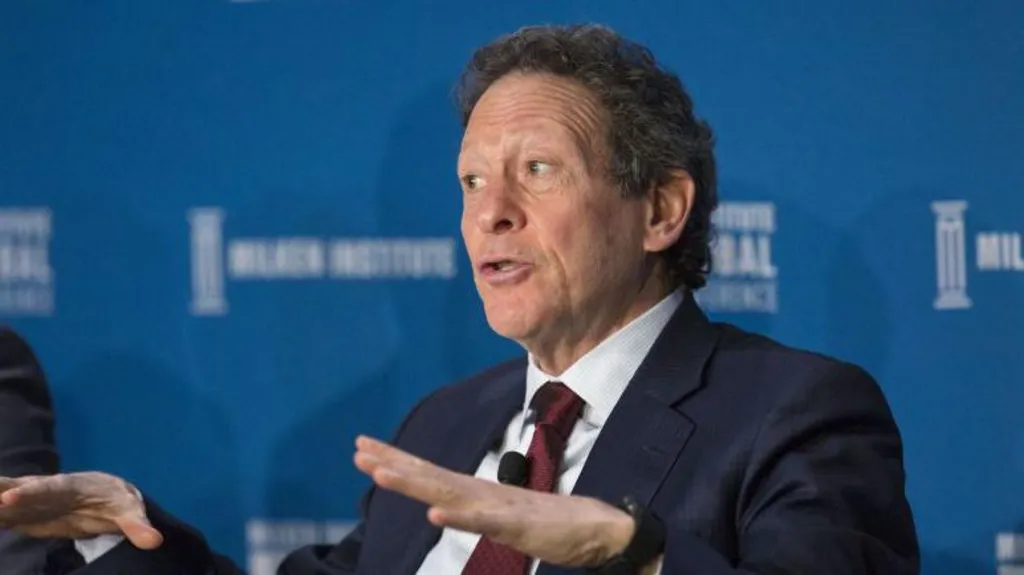
Thomas Pritzker’s resignation as chairman of Hyatt illustrates how reputational exposure can rapidly evolve into a governance event with capital market implications. In YourDailyAnalysis, leadership transitions triggered by renewed public scrutiny are rarely isolated episodes; they reflect a recalibration of risk management priorities at the board level.
Pritzker acknowledged “terrible judgment” in maintaining contact with Jeffrey Epstein after the latter’s 2008 conviction. While there are no allegations of criminal wrongdoing against Pritzker in the released materials, the reputational dimension alone carries weight. For publicly listed global brands, perception risk can influence stakeholder confidence, employee morale, and investor sentiment even in the absence of legal liability. YourDailyAnalysis considers this a clear example of how reputational governance now operates under far stricter tolerance thresholds than in previous decades.
The board’s decision to transition leadership to CEO Mark Hoplamazian consolidates authority and signals continuity. From a strategic standpoint, combining the roles of chair and chief executive may streamline decision-making during a sensitive period. However, such consolidation also increases scrutiny over internal checks and balances. Institutional investors will likely evaluate whether governance safeguards remain sufficiently robust under a unified leadership structure. In this context, Your Daily Analysis notes that stability must be accompanied by demonstrable oversight discipline to prevent concentration risk from becoming a secondary concern.
The broader corporate environment amplifies the significance of this move. The release of additional Epstein-related documents has widened reputational exposure across multiple sectors, increasing pressure on companies to reassess legacy relationships and potential vulnerabilities. Even indirect associations can become reputational liabilities when public narratives intensify. In my assessment, the decisive action to step down reflects a strategic effort to contain uncertainty rather than allow prolonged speculation to weigh on the company’s brand equity.
For Hyatt specifically, the operational outlook remains distinct from the governance issue. The global hospitality sector continues to navigate cyclical demand shifts, cost pressures, and evolving travel patterns. Prolonged reputational distraction could impose indirect costs through stakeholder distraction or brand perception effects. Therefore, forward-looking mitigation measures – enhanced transparency, reinforced ethics oversight, and clearer board independence protocols – will be essential in preserving institutional credibility.
YourDailyAnalysis views this episode as part of a wider structural shift in corporate governance norms. Directors and executives are increasingly expected to anticipate reputational risk with the same rigor applied to financial exposure. The cost of delayed distancing from controversial figures is now materially higher than the cost of early separation.
In conclusion, this leadership change should be interpreted not as an isolated personnel adjustment but as an adaptive governance response to evolving reputational standards. Companies that proactively strengthen oversight frameworks and document accountability mechanisms are better positioned to shield long-term shareholder value from episodic public scrutiny.