



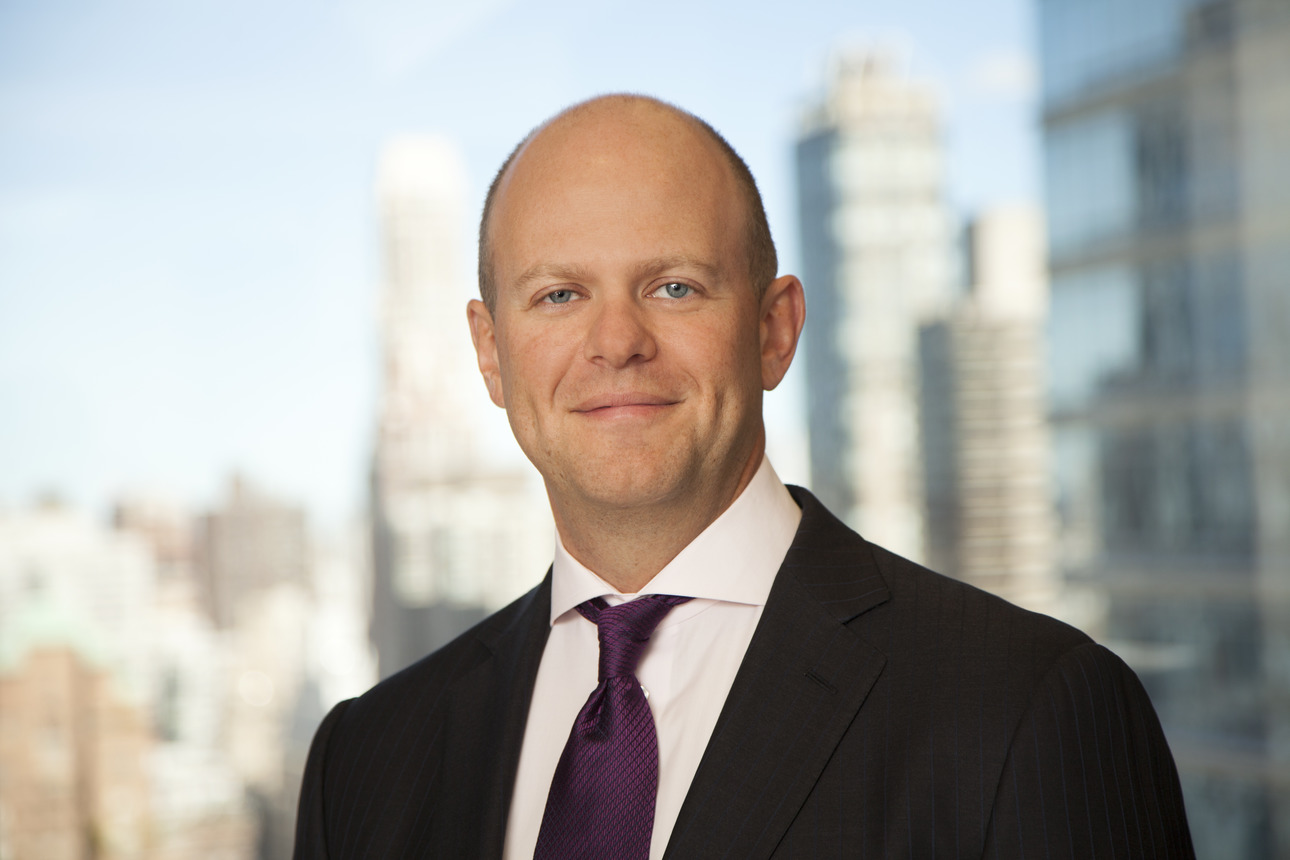
As 2026 approaches, a growing number of institutional investors are shifting their attention from traditional macro drivers to a single disruptive force: artificial intelligence. Speaking at Abu Dhabi Finance Week, Dmitry Balyasny, managing partner of Balyasny Asset Management, described AI as the most significant source of residual risk for markets – capable of delivering both exponential upside and destabilizing shocks. At YourDailyAnalysis, we view this shift as a crucial marker of how deeply AI has become embedded in global risk models.
Balyasny noted that the most underestimated threat lies in the possibility that AI monetization falls short of expectations. Hyperscale companies, which have fueled the past two years of record capital spending on chips, data centers and foundational models, built their forecasts on aggressive demand scenarios. If real-world adoption stalls or margins compress, spending plans across the sector could retrench in unison, pressuring technology valuations and sending ripple effects across risk assets. At YourDailyAnalysis, we see this risk as structurally underpriced: investors have largely assumed a linear growth trajectory, even as costs continue to rise faster than realized revenue.
The opposite scenario – AI accelerating faster than expected – may be just as disruptive. Balyasny suggested that rapid advances could trigger labor displacement before workers can retrain into new roles, a dynamic that could stress service industries, corporate operating structures and consumer markets. In our reading, this is one of the rare cases where “too much progress, too quickly” becomes a systemic market variable rather than a technological win.
Despite these uncertainties, Balyasny maintains a moderately constructive outlook. His firm, which manages $31 billion, posted a 2.5% gain in November and is up 15.3% year-to-date. This resilience reflects a broader trend we track at YourDailyAnalysis: volatility around AI creates more dispersion, and therefore more opportunity, for multi-strategy hedge funds that can shift exposures dynamically.
Balyasny also pointed to geography as a growing factor in global capital flows. He described Abu Dhabi as younger than New York or London but rapidly ascending as a financial hub, supported by large inflows of capital, a lifestyle that attracts technical talent and a state-level commitment to AI and emerging technologies. At Your Daily Analysis, we interpret this as part of a wider realignment: global capital increasingly moves toward jurisdictions that position themselves as active partners in technological development.
Looking ahead, the overarching conclusion is clear. AI is no longer just a growth theme – it is becoming the dominant structural force shaping market cycles. In our assessment at YourDailyAnalysis, 2026 will be the first true test of whether financial markets can adapt to an environment where technological acceleration, rather than policy shifts, drives the next phase of volatility.