


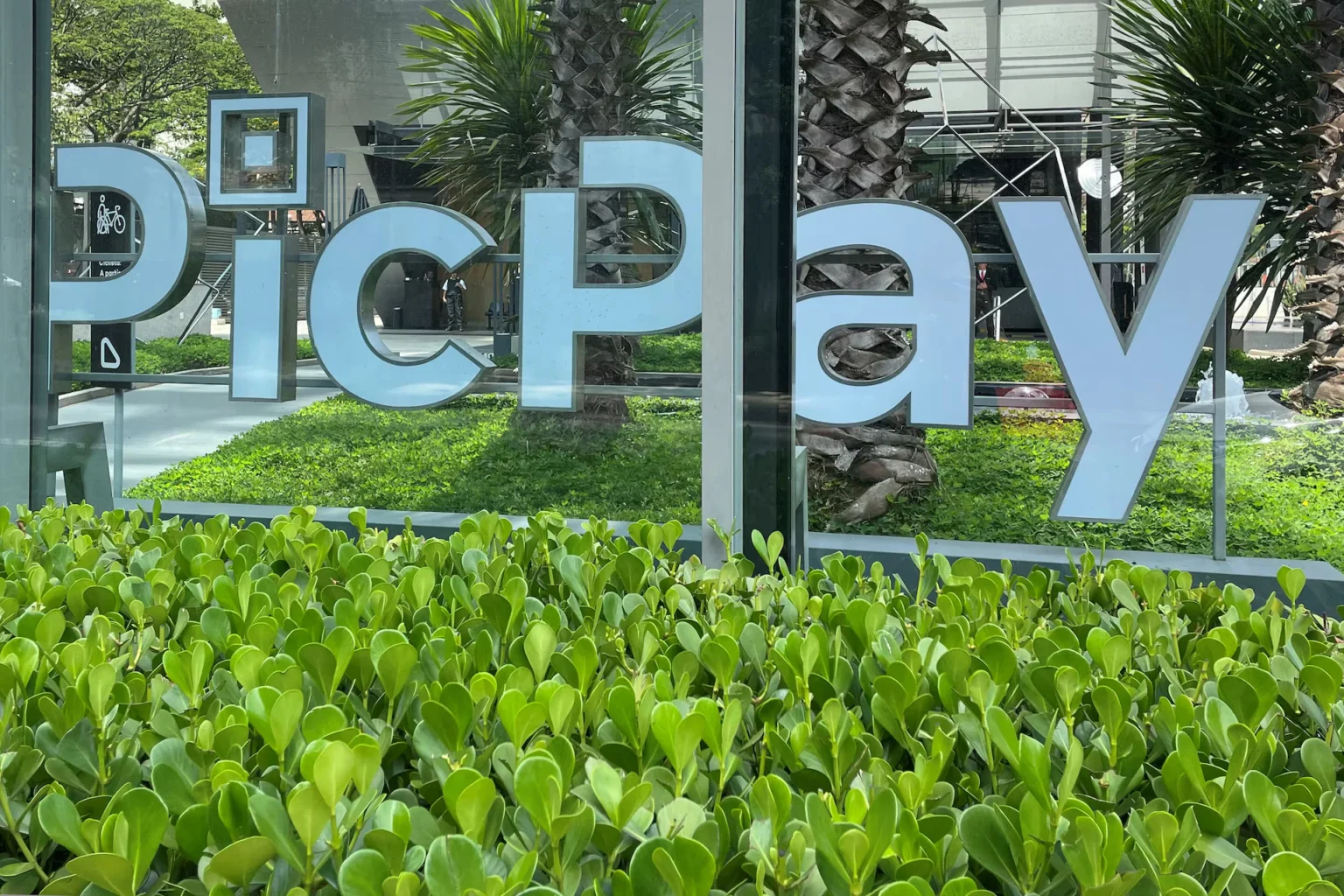
Brazilian fintech PicPay has returned to US capital markets with an IPO that tests not enthusiasm, but discipline. The São Paulo-based digital bank aims to raise up to $434 million at a valuation of roughly $2.46 billion, marking one of the most closely watched Brazilian listings since Nubank’s debut in 2021. For YourDailyAnalysis, the deal reflects a broader attempt by Latin American issuers to re-enter global markets under far stricter pricing and profitability expectations than those that prevailed during the last fintech boom.
PicPay’s proposed valuation range signals a clear reset. Despite a user base exceeding 40 million active customers, the company is not positioning itself as a high-multiple growth story. Instead, the offering appears structured to appeal to investors seeking operational maturity rather than rapid expansion funded by cheap capital. This approach aligns with the post-2024 environment, where global liquidity remains selective and emerging-market risk premia are tightly scrutinised.
From an operational standpoint, PicPay has evolved beyond its original payments and QR-code model into a multi-product digital bank offering cards, credit, insurance and “buy now, pay later” services. Scale, however, is no longer sufficient on its own. Investors will focus on unit economics, funding costs and the sustainability of customer monetisation – particularly in a Brazilian market still shaped by elevated interest rates and intense competition among digital lenders. YourDailyAnalysis notes that the market’s tolerance for cash-burning fintech models has materially diminished since 2021.
The broader context is equally important. Brazilian IPO activity has remained subdued for several years, largely due to domestic monetary tightening and weak risk appetite for emerging-market equities. PicPay’s listing, alongside Agibank’s recent filing, suggests a tentative reopening rather than a full revival. For Your Daily Analysis, this is less about timing the market and more about signalling readiness to operate under global capital discipline.
Institutional participation will be decisive. Commitments from long-term investors provide a degree of credibility, but post-listing performance will determine whether PicPay becomes a reference point or a cautionary tale. Stable trading, controlled volatility and earnings-driven valuation metrics would support the argument that Brazilian fintech can once again access US markets on sustainable terms.
At YourDailyAnalysis, this IPO is viewed as a structural test rather than a momentum trade. If PicPay can translate scale into durable profitability and governance consistency, the transaction may help recalibrate investor perceptions of Latin American digital banks. Failure to do so would reinforce the prevailing message from global markets: growth alone no longer commands a premium.
Ultimately, PicPay’s Nasdaq debut represents a referendum on credibility. The outcome will not only shape the company’s own trajectory, but also influence whether other Brazilian issuers follow – or remain on the sidelines – as global investors continue to price risk with caution rather than optimism.