



The U.S. dollar is undergoing its weakest weekly performance since May, reflecting a sharp reassessment of political risk rather than a shift in monetary fundamentals. Despite relatively stable U.S. Treasury yields, the currency has come under broad pressure, indicating that investors are increasingly separating economic resilience from policy predictability. As highlighted by YourDailyAnalysis, this divergence marks a critical change in how dollar risk is being priced.
The Bloomberg Dollar Index has fallen sharply over the week, while safe-haven and diversification currencies have strengthened. The Japanese yen led gains, rising decisively during low-liquidity trading hours and reinforcing its role as a hedge against U.S.-centric uncertainty. The scale and timing of the move suggest positioning adjustments rather than purely technical factors. YourDailyAnalysis notes that such price action typically emerges when confidence in institutional stability becomes a dominant driver. Political volatility acted as the primary catalyst. Abrupt shifts in U.S. trade policy toward Europe – followed by an equally sudden reversal after high-level diplomatic engagement – introduced a degree of unpredictability that markets struggle to absorb. Even without lasting policy implementation, rapid changes in direction elevate risk premiums by undermining expectations of strategic consistency.
The dollar’s decline has been particularly notable given the absence of a corresponding drop in yields. Under normal conditions, stable or elevated U.S. rates would support the currency. The current breakdown of that relationship implies that political and institutional concerns are outweighing interest-rate differentials. According to Your Daily Analysis, this is a classic signal of a rising non-monetary risk component embedded in the exchange rate.
Options markets reinforce this interpretation. Traders are now paying a premium for protection against further dollar weakness, a sharp reversal from the bullish positioning observed only a week earlier. Such rapid repricing suggests that downside scenarios are being reassessed as asymmetric rather than temporary, increasing sensitivity to further political shocks. Global spillovers have followed. The Swiss franc reached multi-month highs, while the Canadian dollar posted its strongest advance in weeks. The breadth of these moves points to coordinated diversification flows rather than isolated regional dynamics. YourDailyAnalysis emphasizes that when multiple currencies appreciate simultaneously against the dollar, it typically reflects a reassessment of U.S. risk rather than improved fundamentals elsewhere.
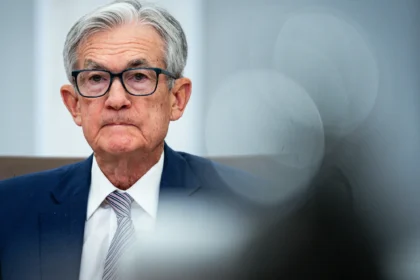
Attention is now turning toward the Federal Reserve, though expectations for near-term rate changes remain limited. Instead, concerns surrounding future central bank independence have begun to influence currency pricing. Expectations that political influence could accelerate easing under a future Fed leadership add another layer of uncertainty to the dollar outlook.
In the near term, elevated volatility is likely to persist as markets navigate overlapping political and policy risks. While U.S. economic data remain supportive, confidence-driven flows may continue to favor alternative currencies during periods of uncertainty. From the perspective of YourDailyAnalysis, the dollar’s recent weakness underscores its role as a barometer of institutional credibility, not merely a reflection of growth or yield differentials.