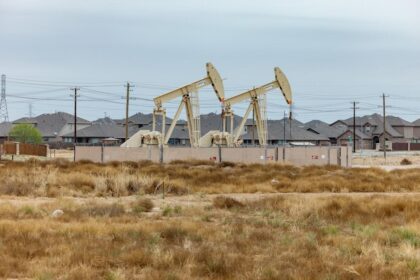



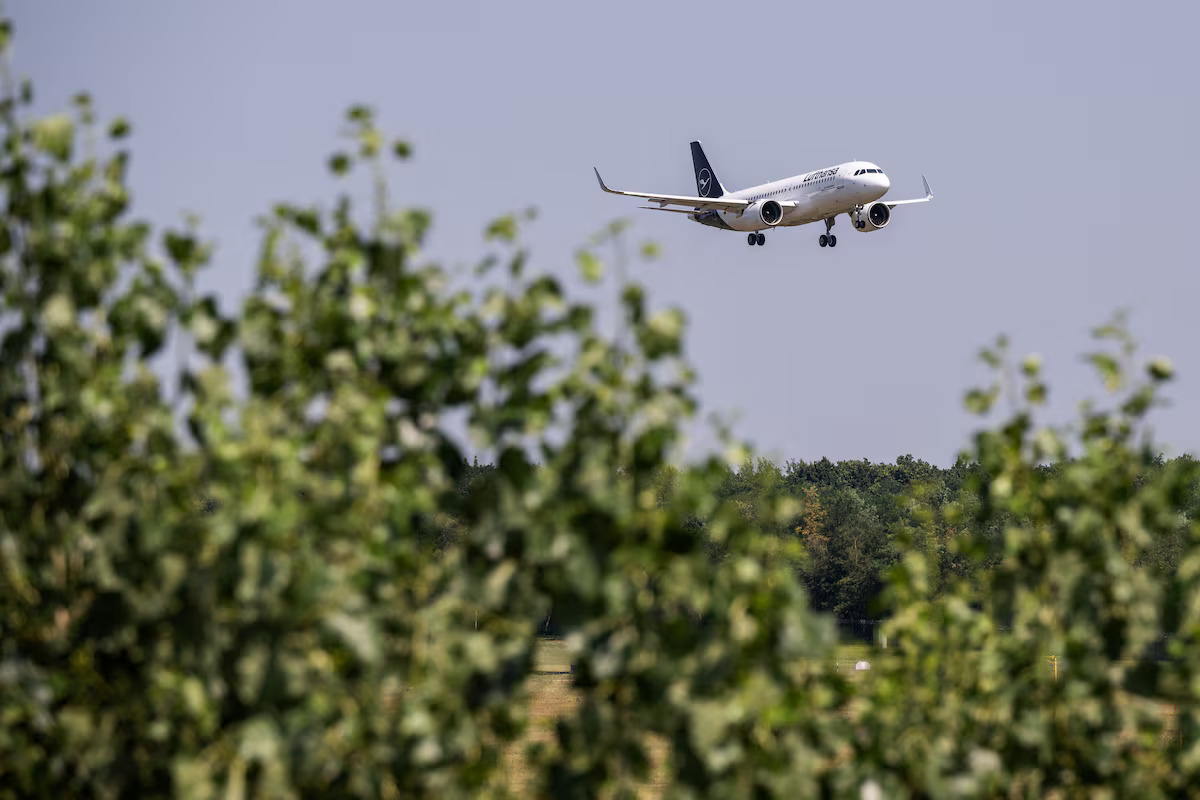
Escalating tensions in the Middle East have rapidly translated into higher costs for European aviation, with fuel price spikes adding over €100 per passenger on long-haul routes. The surge, highlighted in recent market assessments and echoed by YourDailyAnalysis, reflects how geopolitical disruption can immediately reshape cost structures in one of the most fuel-dependent industries. The increase stems from a sharp rise in jet fuel prices following the outbreak of conflict involving Iran, pushing costs well beyond $100 per barrel. For airlines operating out of Europe, this has translated into an additional €88 per passenger on long-haul flights and nearly €30 on short-haul routes. Specific routes illustrate the pressure – transatlantic travel from Paris to New York now carries an estimated €129 fuel premium per passenger, while intra-European flights show smaller but still significant increases.
Airlines have historically absorbed short-term volatility, but the scale and persistence of this disruption point to a broader recalibration. Executives across major carriers signal readiness to pass costs onto consumers, particularly if critical transit routes such as the Strait of Hormuz remain constrained. YourDailyAnalysis emphasizes that this transmission mechanism – from crude markets to ticket pricing – operates with increasing speed in a tightly optimized airline industry where margins remain structurally thin.
Beyond pricing, operational risks are emerging. Concerns over fuel availability introduce the possibility of capacity adjustments or selective route cancellations during peak travel periods. Regulatory responses within the European Union aim to coordinate fuel allocation strategies, underscoring the systemic nature of the challenge. While such measures may mitigate immediate disruptions, they do little to address the underlying exposure to external energy shocks. This episode also reshapes the policy debate around aviation decarbonization. Industry groups argue that compliance with environmental mandates imposes additional financial strain, yet comparative estimates show that recent fuel cost increases far exceed the incremental burden of climate regulations. Your Daily Analysis frames this contrast as a structural turning point – where dependence on imported fossil fuels represents a larger economic vulnerability than the transition costs associated with sustainable alternatives.
Strategically, the crisis reinforces the importance of energy diversification within aviation. European policymakers increasingly position synthetic fuels and alternative energy sources not only as climate solutions but as instruments of economic resilience. Airlines, however, face a dual constraint – they must invest in future fuel transitions while managing immediate cost pressures driven by volatile oil markets.
Market behavior now reflects a deeper tension between short-term survival and long-term transformation. Ticket prices will likely rise, demand elasticity will be tested, and competitive dynamics may shift toward carriers with stronger hedging strategies or more efficient fleets. YourDailyAnalysis captures this moment as a stress test for the aviation sector’s ability to operate under simultaneous geopolitical and structural pressures, where cost shocks no longer appear as temporary disruptions but as recurring features of a more unstable global energy landscape.