

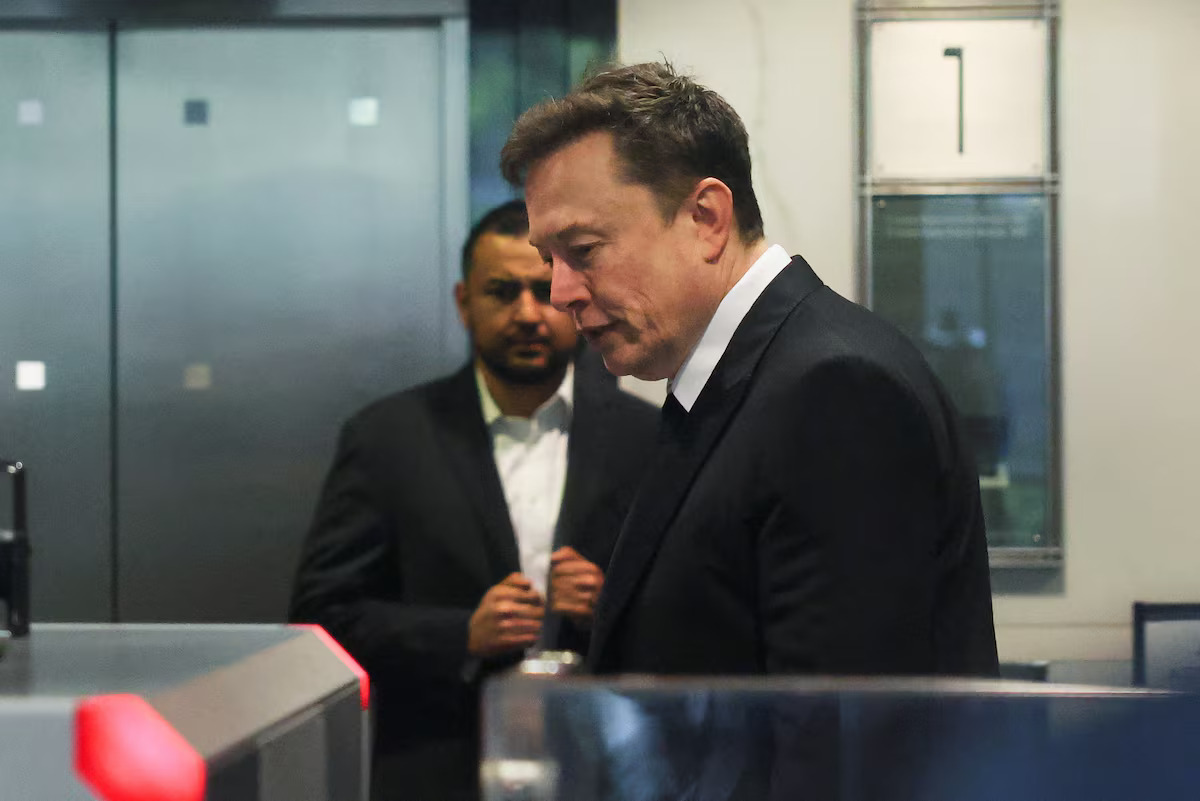
Elon Musk returned to the witness stand under sharp questioning, his frustration surfacing in clipped exchanges as lawyers pressed him over past communications and his understanding of OpenAI’s structural shift, a moment that YourDailyAnalysis frames as less about legal detail and more about competing narratives of intent. The case hinges on Musk’s claim that a mission-driven nonprofit vision gave way to a profit engine, though courtroom dynamics suggest the dispute has drifted into something more personal and strategic.
What began in 2015 as a loosely organized research effort now sits at the center of one of the most consequential governance disputes in the AI industry. OpenAI’s transition into a hybrid structure – a capped-profit entity overseen by a nonprofit – did not unfold quietly; it emerged through internal discussions, evolving funding needs, and the growing realization that large-scale AI development demanded capital far beyond philanthropic contributions. Emails and messages presented in court hint at a more fluid early position, where even critics of the current model appeared open to alternatives.
Legal arguments circle around intent, yet the economic gravity of artificial intelligence complicates any clean narrative. Building frontier models requires vast computational infrastructure, specialized talent, and sustained funding cycles that resemble industrial-scale projects more than academic research. YourDailyAnalysis places that tension at the core of the dispute, where idealism collides with the realities of scaling technology that now underpins entire sectors.
The courtroom exchanges expose another layer – control. Accusations that Musk seeks influence over OpenAI’s direction intersect with broader competition in the AI market, where his own ventures trail leaders in adoption and integration. The demand for $150 billion in damages and structural reversal carries symbolic weight, though it also signals an attempt to reshape competitive dynamics through legal means rather than purely technological ones. YourDailyAnalysis reads this as a confrontation not just over past agreements, but over who defines the rules of development in a field where first-mover advantage compounds quickly.
There is a quieter implication running beneath the legal theatrics. Governance models in AI remain unsettled, and the OpenAI structure – neither fully nonprofit nor conventionally corporate – was always an experiment under pressure. If courts begin to interpret mission statements as enforceable constraints rather than guiding principles, similar organizations may face tighter scrutiny, altering how capital flows into high-risk research.
The trial continues with more witnesses expected, yet the broader stakes extend beyond any single verdict. Your Daily Analysis treats the unfolding dispute as an early stress test for how ambition, capital, and ethical framing coexist in artificial intelligence – a space where alignment claims carry reputational value, but financial scale dictates who actually builds the future.