


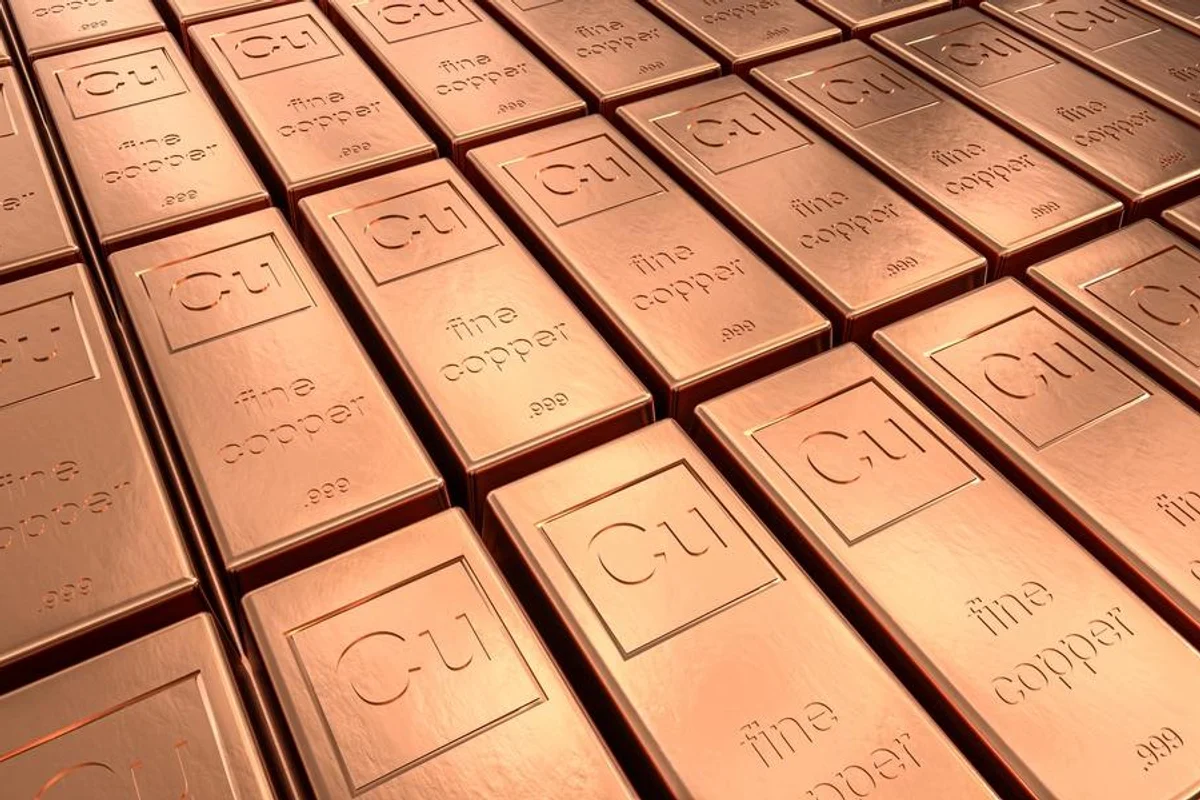
Copper’s rally has turned from strong to uncomfortable, with prices above $14,000 a ton and traders now staring at the record set in January. The move has gained force across eight straight sessions, while aluminum has climbed to its highest level in more than four years. For YourDailyAnalysis, the metals surge now carries a sharper message than ordinary commodity optimism: supply chains are being repriced before buyers can fully measure the damage.
The pressure is not coming from one dramatic shortage alone. Mine disruptions are spreading across regions, and a squeeze in Middle Eastern sulfur supplies has added an awkward weak point to the copper system. Sulfur rarely receives the attention given to ore grades, smelter margins or shipping routes, yet it sits inside the processing chain for a meaningful share of global copper. When that input tightens, mine output can falter even before the market sees a visible collapse in refined inventories.
The rally in New York has made the story even more distorted. Comex copper reached a record, with its premium over London prices widening above $500 a ton as traders position for possible U.S. tariffs on refined metal imports. That premium is not a clean bullish signal; it is a magnet. Metal moves toward the market willing to pay more, leaving other regions exposed to thinner supply and more fragile pricing. YourDailyAnalysis frames the U.S. tariff risk as a policy shock that can tighten the global market without creating a single extra ton of copper.
China adds another layer of stress because its smelting system depends on steady flows of concentrate and scrap. Refined copper production fell in April from March, while weak treatment charges and tighter invoicing rules squeezed feedstock availability. Smelters can keep running through bad margins for a while, especially when strategic or contractual pressure is involved, but maintenance periods become more painful when raw material shortages are already biting. A small production decline, in that setting, can matter more than the headline number implies.
Aluminum’s rise gives the metals rally a broader industrial tone. The surge in withdrawals from London Metal Exchange warehouses points to users drawing on last-resort supply, not merely financial funds chasing momentum. YourDailyAnalysis treats that warehouse movement as an early sign of physical tightness moving beyond copper, where inventories become less of a cushion and more of a countdown clock. Once buyers stop trusting available stock, procurement behavior changes quickly – orders come earlier, hedges get heavier, and price spikes feed on defensive buying.
The macro layer is uncomfortable for manufacturers and policymakers alike. Copper and aluminum sit deep inside electrification, grids, transport, construction, packaging and defense-linked supply chains. Expensive metals do not behave like a clean energy tax on paper; they travel quietly through cables, transformers, vehicles, appliances and infrastructure budgets. If prices stay elevated, the cost pressure may not explode in one monthly inflation report, but it can thicken margins across industrial production and delay projects that already face permitting, labor and financing problems.
There is also a geopolitical wrinkle hiding inside the price action. The U.S. wants stronger domestic copper security, China needs stable refined output, and producers in Africa depend on inputs and logistics that can be disrupted far away from the mine itself. The market is no longer pricing only demand from electrification. It is pricing access, jurisdiction, processing chemistry and policy fear. That is a messier commodity cycle than the old story of factories buying more metal because growth looks healthy.
For Your Daily Analysis, the danger is that copper’s record chase starts to look like a vote of confidence when it may be closer to a warning siren. A market can rally on demand, but it can also rally because the plumbing is failing. The difference matters. If the next phase of electrification depends on metals that are being pulled into tariff games, mine disruptions and warehouse drains, the green transition inherits a harder truth: the future may be built with materials that keep getting more political before they get more abundant.