



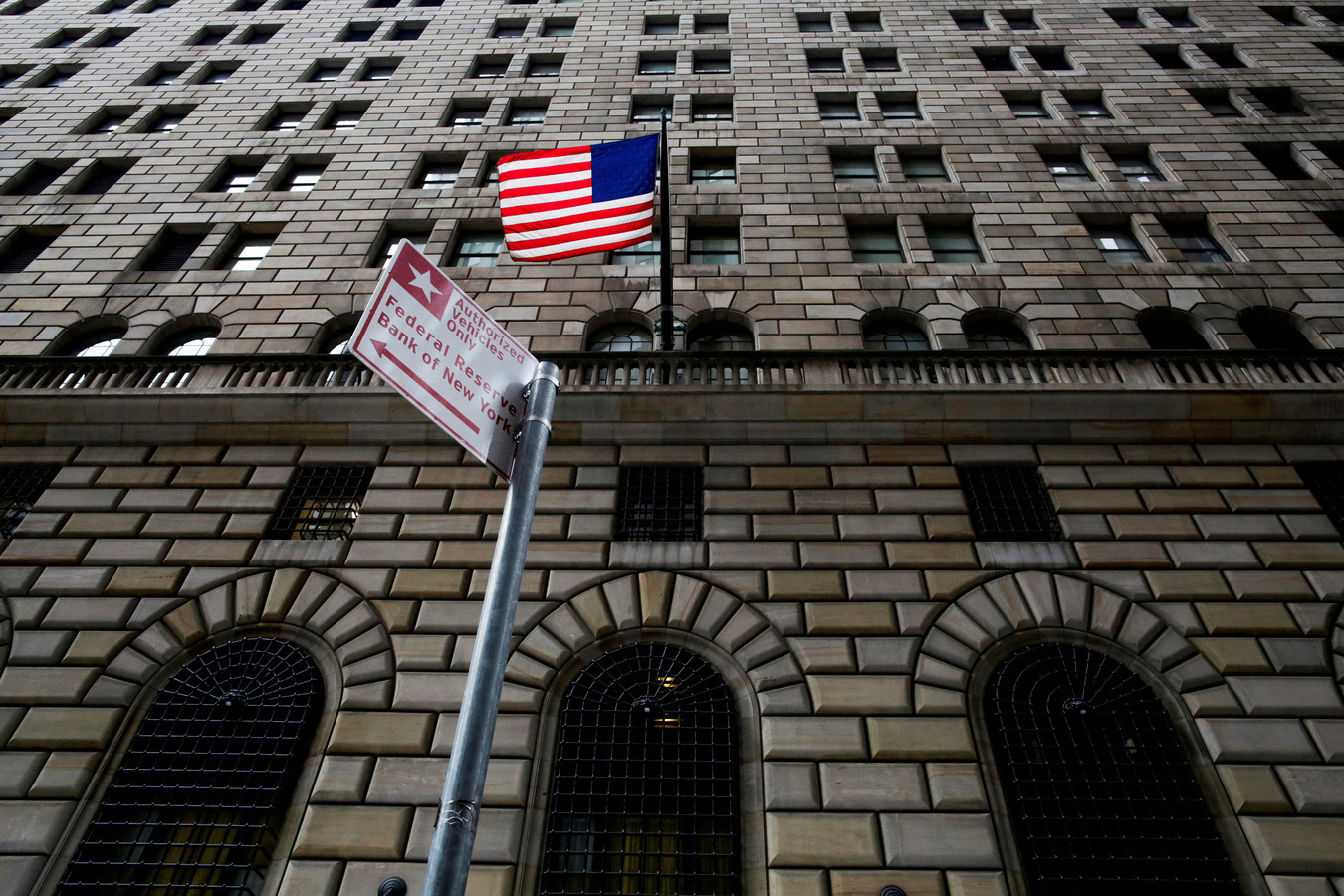
The New York Federal Reserve has won a decisive appeals-court victory over Banco San Juan Internacional, closing off the lender’s attempt to regain direct access to the U.S. central banking system. The ruling, YourDailyAnalysis frames within a larger fight over financial-system gatekeeping, gives regional Fed banks broad room to deny master accounts when they see sanctions, money-laundering or stability risks. For BSJI, that means the loss of a payment-system lifeline becomes legal reality, not a temporary regulatory dispute.
The case centered on a master account, the technical but powerful channel that lets banks connect to the Fed’s electronic payment rails. BSJI argued that the Federal Reserve Act entitled it to that access, especially after more than a decade with an account. The appeals court disagreed. Its 3-0 decision treated access not as an automatic right, but as a privilege tied to the Fed’s responsibility to protect the financial system from institutions it cannot easily supervise.
That distinction matters because BSJI was not a member bank with the same supervisory framework available to the Fed. The court leaned into that gap, describing the Reserve Banks’ toolkit as precise for member banks and blunt for nonmember institutions. YourDailyAnalysis places that language at the heart of the ruling: when regulators lack granular control, they may choose exclusion over surgical enforcement. It is a harsh instrument, but the court accepted it as part of the central bank’s stability mandate.
The Venezuela link gave the dispute a sharper political edge. Puerto Rico’s offshore banking sector has long had connections to Venezuelan capital, and BSJI argued that its termination formed part of a wider de-banking campaign against disfavored business models, including those touching crypto and cannabis. The court found no discriminatory motive tied to the bank’s Venezuelan ownership. That finding narrows the case from a claim of targeted bias into a broader lesson about risk tolerance inside the U.S. payments architecture.
The deeper issue is not simply one Puerto Rican lender losing access. Master accounts sit at the border between private banking and sovereign money infrastructure. Once a bank enters that system, it gains speed, credibility and operational reach; once removed, even a solvent institution can face a severe business shock. YourDailyAnalysis treats the decision as a reminder that payment access has become a regulatory weapon in sectors where formal enforcement may move too slowly or expose authorities to greater risk.
For smaller offshore lenders, the message is uncomfortable. Compliance failures, sanctions exposure or unclear beneficial ownership can now threaten not only fines and reputational damage, but connection to the core settlement network itself. That may push banks to spend more on controls, avoid higher-risk clients and retreat from jurisdictions that carry political sensitivity. It may also harden the divide between large institutions that can absorb compliance costs and smaller banks that rely on specialized cross-border relationships.
The ruling arrives during a period when access to financial infrastructure has become more contested across banking, digital assets and politically sensitive industries. Firms excluded from accounts often describe the process as informal punishment; regulators tend to describe it as risk management. Both claims can contain truth. The problem is the opacity. When the payment system functions as both public utility and control point, the line between prudence and exclusion becomes difficult to police. Your Daily Analysis sees the real force of the decision in that ambiguity. The court did not merely side with the New York Fed over one lender; it reinforced a hierarchy in which financial access depends on institutional trust as much as statutory eligibility. That gives regulators flexibility, but it also leaves vulnerable banks with fewer predictable paths back in. The payment system looks neutral from the outside — inside, it has gates, and this ruling makes clear who holds the keys.