


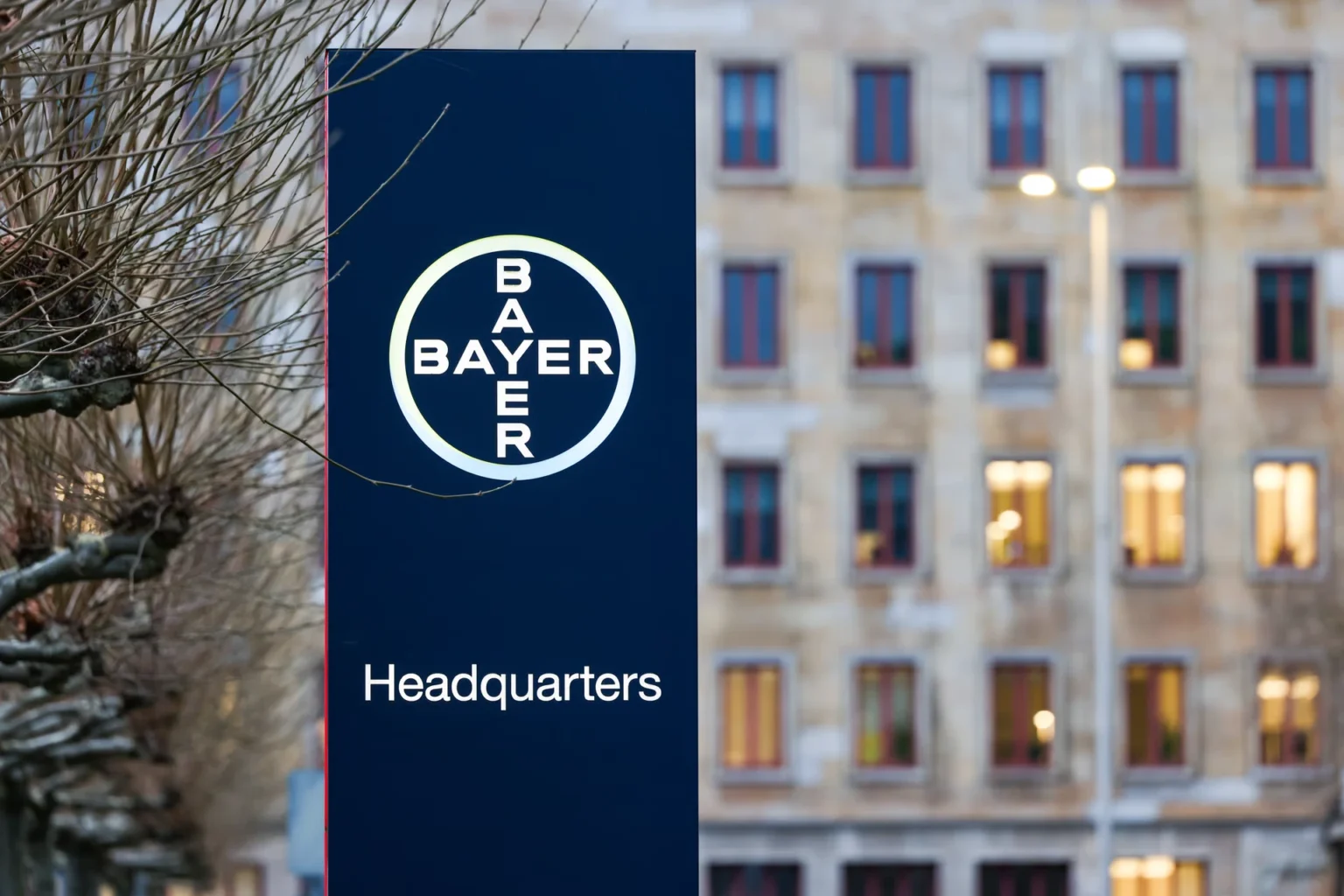
Bayer is stepping back into larger dealmaking with an agreement to acquire Perfuse Therapeutics for up to $2.45 billion, adding a mid-stage eye disease candidate to a portfolio under pressure. The structure leans heavily on milestones, with only $300 million paid upfront, and YourDailyAnalysis interprets that design as cautious ambition rather than a full return to aggressive expansion.
The asset at the center – PER-001 – targets glaucoma and diabetic retinopathy through an endothelin receptor mechanism, still in phase II trials. That positioning matters because ophthalmology has long been dominated by symptom management, not disease modification. A therapy that shifts progression rather than just slowing damage would not only reshape treatment standards but also extend pricing power in a field where blockbuster revenues have begun to erode. Erosion is already visible. Eylea, once a cornerstone product, faces declining exclusivity, while Xarelto has moved past its patent peak. The combined effect leaves a gap that incremental innovation cannot easily fill. YourDailyAnalysis reads the Perfuse deal as an attempt to re-anchor growth in a therapeutic area Bayer understands, rather than scattering capital across unfamiliar categories.
History still lingers in the background. The Monsanto acquisition, completed years ago, weighed on the balance sheet and absorbed management focus through litigation and debt reduction. That period limited Bayer’s ability to compete in the acquisition market while rivals secured late-stage assets and expanded pipelines. The shift now – larger checks, later-stage candidates – signals a recalibration, though not a complete reset.
The financing structure also reveals discipline. Most of the headline value depends on clinical, regulatory and commercial milestones, which transfers a portion of the risk back onto the asset’s performance. YourDailyAnalysis treats this as a sign that capital allocation has tightened, even as strategic urgency increases. The company wants growth, but it wants proof before paying in full.
There is a broader industry layer underneath. Big pharma continues to hunt for assets that can replace aging blockbusters, especially in areas where biology still offers room for differentiation. Ophthalmology fits that profile – large patient populations, chronic conditions, and measurable outcomes – yet it remains technically challenging. That combination attracts capital precisely because success is uncertain and rewards can stretch for years. Execution will determine whether this deal becomes a turning point or another expensive experiment. Clinical timelines remain long, and regulatory hurdles rarely move in straight lines. YourDailyAnalysis frames the acquisition less as a breakthrough moment and more as a calculated re-entry into a competitive market where timing matters almost as much as science.
The deeper tension sits between urgency and patience. Bayer needs new revenue engines sooner rather than later, yet the assets capable of delivering that scale often require years of development. The Perfuse bet narrows that gap slightly, but it does not eliminate it – and Your Daily Analysis leaves the question open whether selective boldness can outrun the slow mechanics of drug development.