


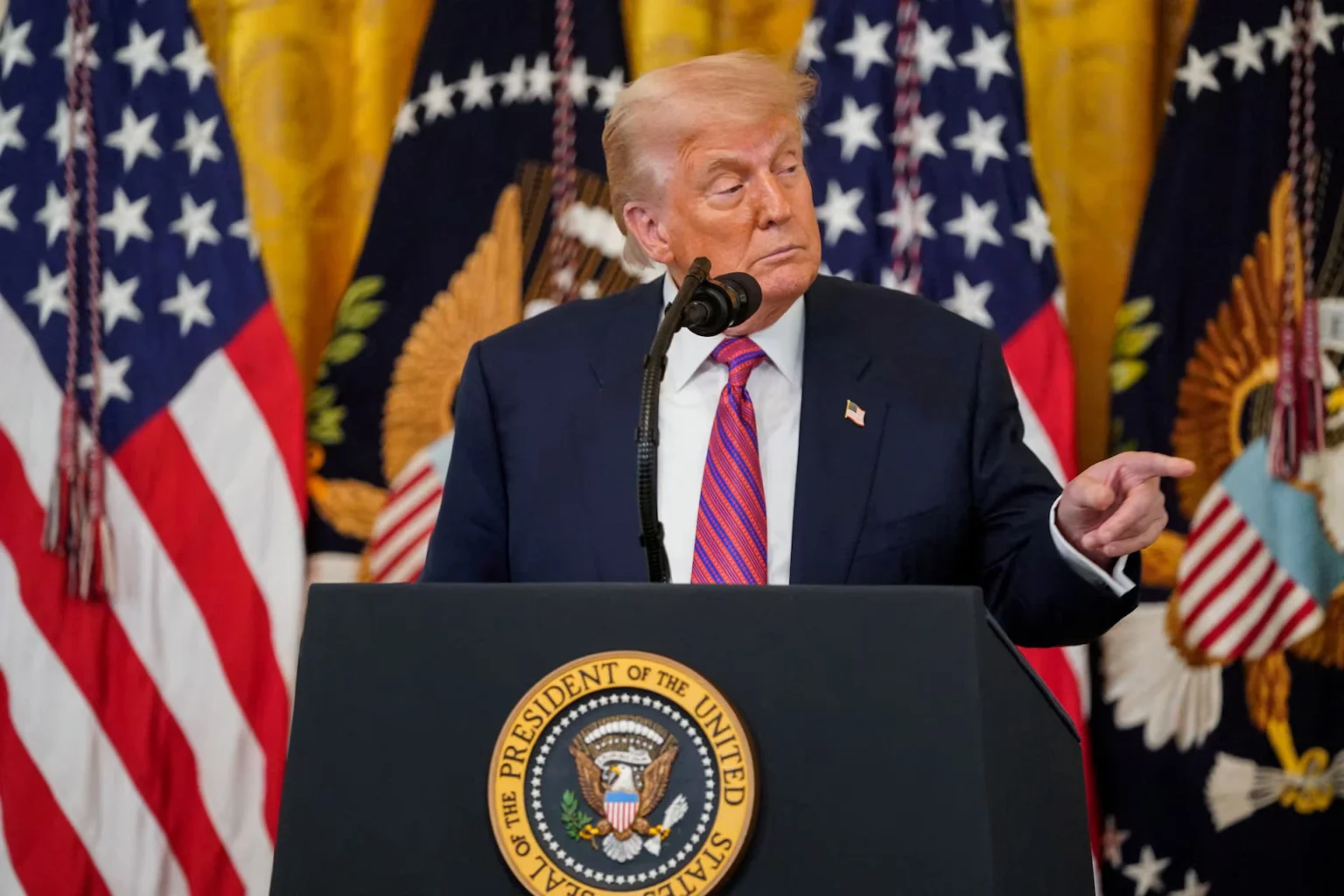
The growing intersection of politics and cryptocurrency is drawing increased attention as new governance structures emerge in high-profile digital asset projects. YourDailyAnalysis notes that developments around World Liberty Financial, a crypto venture linked to the family of Donald Trump, illustrate how quickly parts of the industry are evolving from decentralized ideals toward more structured investor hierarchies.
The company recently introduced a governance model that grants special privileges to large holders of its token, WLFI. Investors who lock roughly $5 million worth of tokens for a six-month period can obtain “Super Node” status, which provides priority access to the company’s business development team for discussions about potential partnerships.
According to the YourDailyAnalysis assessment, the initiative represents a shift from the project’s earlier messaging. When World Liberty Financial was launched shortly before the 2024 U.S. presidential election, the platform emphasized broad participation and community-driven governance. The creation of a privileged investor tier introduces a hierarchical structure in which large stakeholders gain greater influence.
Supporters argue that such mechanisms are common in decentralized finance. Locking tokens through staking removes supply from circulation for a fixed period, which can help stabilize token prices while encouraging long-term engagement with governance processes.
YourDailyAnalysis observes, however, that the project’s economic structure has attracted additional attention because of its financial connections to the Trump family. Under the token distribution model, a significant share of proceeds from new token sales flows to entities linked to the president’s family, meaning large purchases of WLFI indirectly fund the broader ecosystem tied to the project.
The political dimension has prompted criticism from some policymakers and ethics experts in Washington. They argue that cryptocurrency ventures connected to prominent political figures could create potential conflicts if regulatory decisions influence the value of related digital assets.
Representatives connected to the administration have rejected those concerns, stating that the president is not involved in the operational management of the project and that discussions within the Super Node program involve only the company’s business development and compliance teams.
Another notable feature is the role of staking in governance. Token holders must lock WLFI for at least 180 days before gaining voting rights on certain decisions. Participants who take part in governance votes may also receive token-based rewards, creating incentives for long-term involvement.
While this structure strengthens alignment among committed investors, it may also concentrate influence among participants capable of locking substantial capital. Governance power in such systems often reflects both token ownership and the ability to maintain long-term staking positions. YourDailyAnalysis also points out that large staking programs have become a common tool across the crypto sector. By encouraging long-term token lockups, projects can reduce circulating supply and potentially limit short-term market volatility.
In broader terms, the evolution of initiatives like the Super Node program reflects a wider transformation within the cryptocurrency industry. Models that once emphasized pure decentralization are increasingly blending with structures that resemble traditional corporate governance. Your Daily Analysis suggests that the future trajectory of World Liberty Financial will depend partly on how regulators approach politically connected crypto projects. While such ventures may benefit from strong visibility and investor interest, they also face heightened regulatory and reputational scrutiny.
For investors, the case illustrates the importance of evaluating not only the technology behind a digital asset but also its governance design and political exposure. YourDailyAnalysis concludes that projects operating at the intersection of finance, technology and politics can offer substantial growth potential, but they also carry elevated regulatory and reputational risks that require careful assessment.