

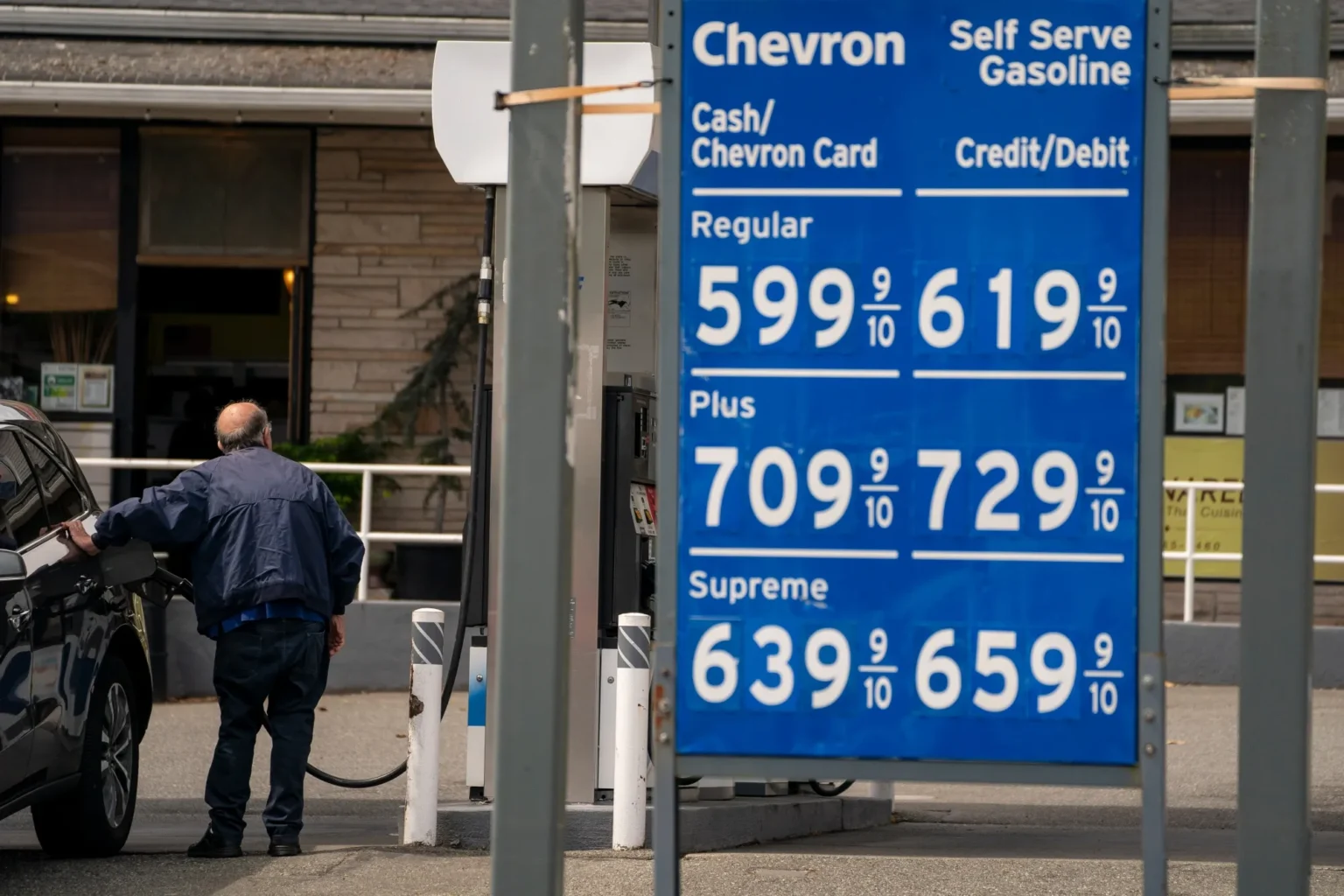
Investors head into the latest US inflation report with an unusual problem. Oil prices are climbing because of renewed confrontation around the Strait of Hormuz, yet the labor market has not cracked and financial conditions have loosened again. YourDailyAnalysis sees the coming data as the first serious test of how much room the Federal Reserve under Kevin Warsh will actually have to keep rates unchanged without inviting doubts about its inflation resolve.
Treasury markets have already begun to adjust. Two-year yields moved back toward 3.93%, and traders have not only erased expectations for near-term easing but started assigning meaningful odds to a rate increase by early 2027. That shift is notable because it does not rest on runaway economic growth. It rests on the possibility that energy costs may keep headline inflation elevated long enough to alter the central bank’s reaction function.
The forecast itself is uncomfortable. Consumer prices are expected to rise 3.7% from a year earlier, the strongest pace since 2023, while core inflation is projected at 2.7%. Neither figure points to a dramatic resurgence, yet both arrive at a moment when policy credibility matters as much as the data. YourDailyAnalysis treats this as a perception battle as much as a mathematical one – if inflation drifts higher while employment remains stable, markets may conclude that patience begins to resemble complacency.
Warsh inherits a Federal Reserve that no longer enjoys the luxury of clean narratives. For much of the past year, officials could argue that disinflation was progressing and rate cuts were only delayed. That confidence has faded. Several policymakers now openly acknowledge that the next move could go in either direction, a subtle but important admission that uncertainty has moved from the market into the institution itself.
Bond investors are weighing whether oil is a temporary shock or the beginning of a broader repricing of inflation risk. Energy-driven price spikes often fade, but they can influence wages, consumer expectations, and corporate pricing decisions long before crude retreats. YourDailyAnalysis focuses on this second-round effect, where a short geopolitical disruption leaves a longer imprint on monetary policy assumptions and term premiums across the Treasury curve.
The timing adds another layer. Auctions of three-year, ten-year, and thirty-year Treasuries will reveal whether investors still view current yields as attractive or demand greater compensation for policy ambiguity. Weak demand would amplify concerns that inflation uncertainty is spreading beyond short maturities and into the government’s long-term funding costs.
For now, the market is no longer asking when the next cut will arrive. It is asking whether the Federal Reserve can afford to wait while oil rewrites the inflation story in real time. Your Daily Analysis argues that this distinction changes everything – once traders begin to contemplate higher rates rather than delayed easing, even a modest inflation surprise can reshape the entire policy debate.