


Oil markets are once again forcing policymakers to balance political pressure, energy security, and inflation risks. Following the recent escalation of tensions involving Iran, crude prices and gasoline costs have risen sharply, prompting questions about whether the United States might release oil from the Strategic Petroleum Reserve (SPR). According to officials familiar with internal discussions, the Trump administration does not currently plan to tap the emergency stockpile. As YourDailyAnalysis observes, this decision reflects a calculated attempt to determine whether the current price surge represents a short-lived geopolitical shock or the beginning of a more sustained supply disruption.
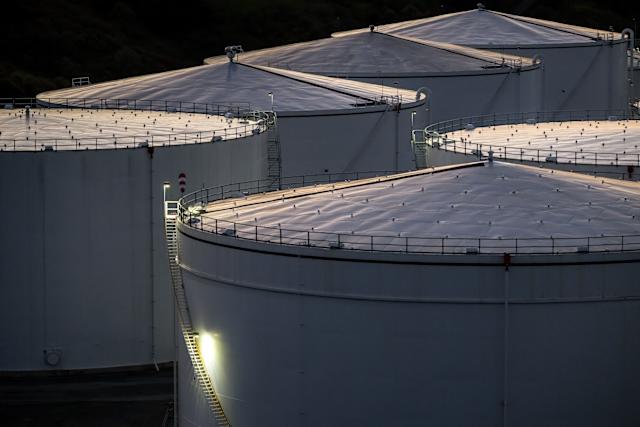
The SPR currently holds roughly 415 million barrels of crude oil, slightly more than half of its maximum capacity. Historically, the reserve has functioned as a strategic buffer intended to address severe supply interruptions rather than short-term market volatility. Deploying the reserve too early could weaken its long-term effectiveness if a larger disruption emerges later, which explains why policymakers appear focused on preserving flexibility rather than reacting immediately to price spikes driven primarily by geopolitical uncertainty.
The White House has instead emphasized the strength of domestic energy production. Officials note that U.S. oil output remains near record levels, providing a structural cushion against external supply shocks. Additional flows entering the market through evolving international arrangements, including those involving Venezuela, are also being cited as evidence that supply conditions may stabilize without direct intervention. In this context, YourDailyAnalysis interprets the administration’s messaging as an effort to anchor market expectations and signal that the United States retains significant internal capacity to absorb short-term disruptions.
At the same time, policymakers recognize that rising energy prices carry both political and economic consequences. Secretary of State Marco Rubio indicated that the administration plans to introduce a phased program aimed at lowering energy costs for consumers, though specific measures have not yet been detailed. Such measures could include regulatory adjustments, targeted fiscal relief, or incentives designed to soften the impact of higher fuel costs without relying on emergency reserves.
International coordination remains another critical factor. Historically, large drawdowns from strategic reserves have often been coordinated with other members of the International Energy Agency during periods of severe market stress. Collective action can amplify the stabilizing effect on global oil markets while reinforcing broader energy security frameworks. According to YourDailyAnalysis, such coordination would likely become necessary only if disruptions in key shipping corridors – particularly the Strait of Hormuz – begin to materially affect global supply flows.
Another layer of complexity involves the recent history of the reserve itself. The SPR was significantly reduced following major releases during the previous administration, including a record drawdown of 180 million barrels aimed at lowering gasoline prices after the Russian invasion of Ukraine in 2022. President Trump has pledged to rebuild the reserve over time, which adds another strategic consideration when evaluating whether additional releases are justified.
Looking ahead, the decisive factor will likely be the duration of the geopolitical shock. If tensions ease and tanker traffic through the Strait of Hormuz continues to flow normally, oil markets could stabilize without the need for emergency intervention. However, if supply disruptions intensify and crude prices continue to climb, political pressure to act could rise rapidly. In that scenario, Your Daily Analysis expects the Strategic Petroleum Reserve to remain a tool of last resort – one that policymakers may deploy only if market volatility begins to threaten broader economic stability.