



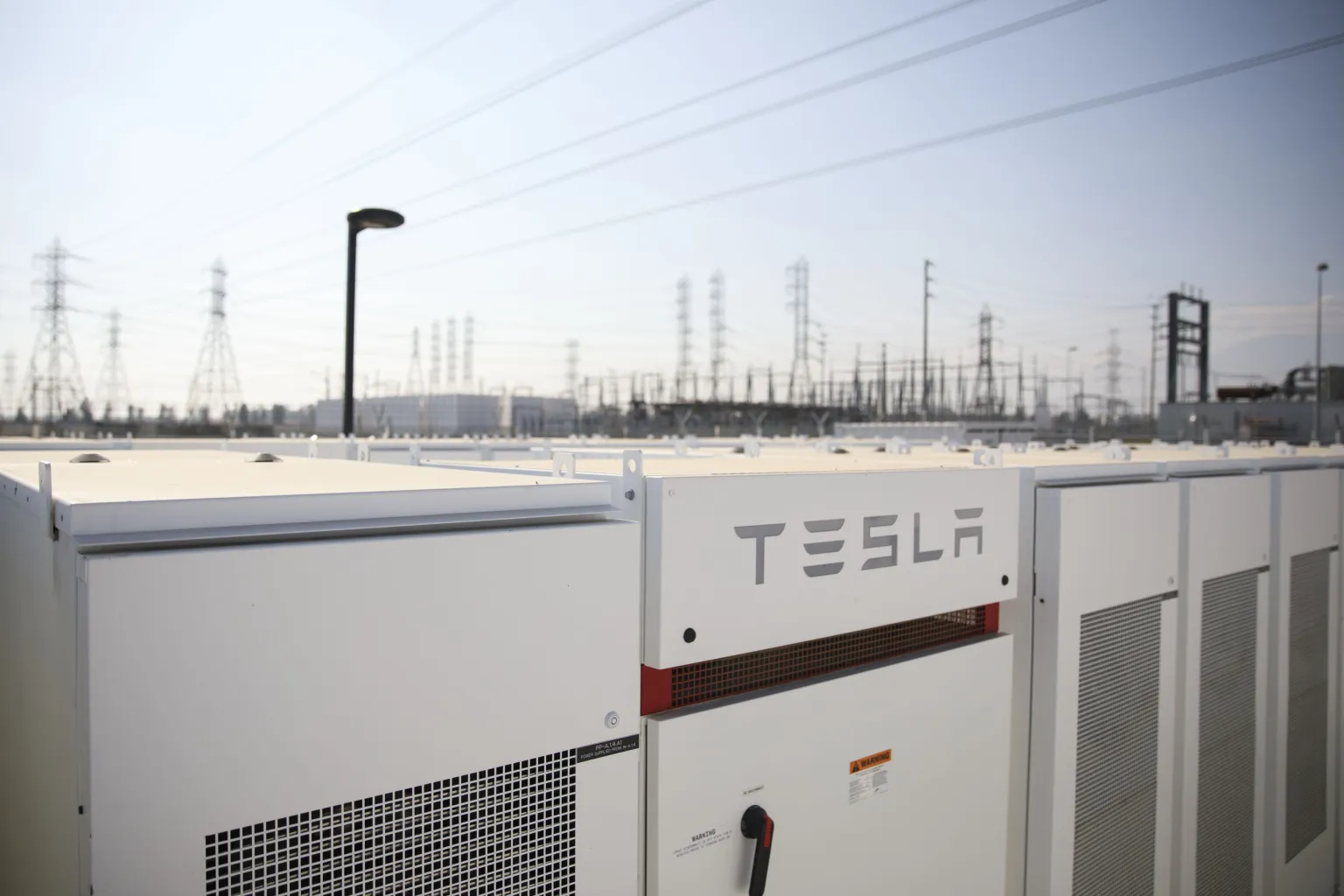
Tesla’s latest financial results underline a growing internal divergence: while the automotive business remains exposed to cyclical pressure and pricing fatigue, the energy storage division is steadily evolving into the company’s most stabilizing asset. From the perspective of YourDailyAnalysis, this is no longer a secondary storyline but a structural shift in how Tesla’s earnings quality should be assessed.
Headline profit weakness was driven primarily by declining vehicle margins and softer delivery momentum, trends the market had largely anticipated. What was less fully priced, however, was the scale and consistency of growth in Tesla’s energy operations. Record deployment volumes and double-digit revenue growth point to a business that is benefiting from secular demand rather than consumer sentiment. Energy storage is increasingly purchased as infrastructure, not as an upgrade – a distinction that materially alters its risk profile. YourDailyAnalysis views this as a critical advantage in an environment where discretionary spending remains fragile.
Margin dynamics reinforce that assessment. Energy storage now generates substantially higher gross margins than Tesla’s vehicle segment, a reversal from the company’s historical profit structure. In practical terms, this means Tesla is beginning to fund its capital intensity from a business line that is less sensitive to price competition and promotional cycles. According to YourDailyAnalysis, this margin asymmetry provides Tesla with strategic flexibility: it can absorb shocks in auto pricing without immediately undermining overall profitability.
Deferred revenue adds another layer of insight. Large-scale storage projects recognize revenue over time, making backlog quality more important than quarter-to-quarter volatility. The expansion of deferred revenue tied to energy projects suggests that Tesla has secured long-duration demand that is already contracted but not yet reflected in earnings. From an analytical standpoint, Your Daily Analysis treats this pipeline as a forward-looking indicator of cash-flow stability rather than a simple accounting artifact.
That said, the segment is not without challenges. Policy changes are gradually reducing incentives for residential storage, potentially shifting demand toward utility-scale and commercial deployments. While this transition may support volume stability, it also intensifies competition and places pressure on average selling prices. At the same time, tariffs and supply-chain constraints could raise component costs, testing Tesla’s ability to defend margins as the market matures. YourDailyAnalysis cautions that future performance will hinge less on deployment growth alone and more on execution discipline.
Looking ahead, the strategic relevance of energy storage is likely to increase as artificial intelligence infrastructure and electrification place sustained stress on power grids. Storage systems that stabilize supply, smooth peak demand, and provide redundancy are becoming core to energy planning rather than optional enhancements. From the standpoint of YourDailyAnalysis, Tesla’s energy division is positioning itself closer to regulated infrastructure economics than consumer technology cycles.
In sum, Tesla’s energy business is no longer merely compensating for temporary weakness elsewhere. It is reshaping the company’s earnings mix toward higher visibility and resilience. If margins remain durable and backlog converts into cash flow as expected, energy storage could emerge as Tesla’s primary anchor of valuation stability – a role that was once reserved exclusively for its automotive ambitions.