

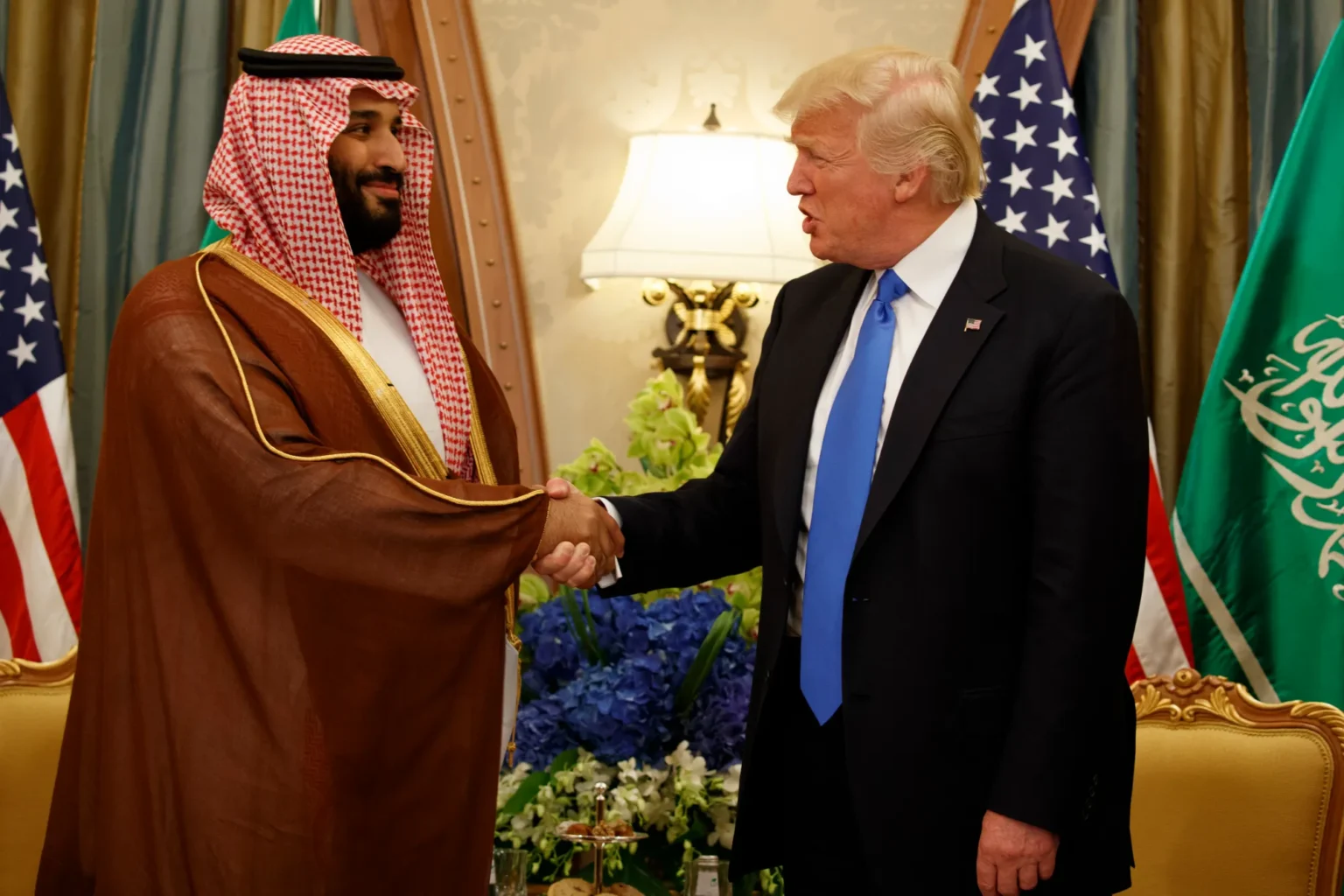
Washington has not seen this level of symbolic diplomacy and corporate gravity in years. For Saudi Crown Prince Mohammed bin Salman, the investment forum at the Kennedy Center is more than a visit; it is a calculated re-entry into the American power circuit after a long period of diplomatic frost. For us at YourDailyAnalysis, the timing is deliberate: the White House needs fresh capital, US corporations seek reliable long-term partners, and Riyadh wants to secure its place as a global investor in an era defined by technological reshuffling.
The forum gathered CEOs from Chevron, Qualcomm, Cisco, Pfizer, Boeing, Google, IBM and a wide array of major corporations. Elon Musk and Nvidia’s Jensen Huang were highlighted in a panel on artificial intelligence, signaling how deeply Saudi Arabia intends to embed itself in America’s innovation infrastructure. As we note at YourDailyAnalysis, the Crown Prince is positioning the kingdom as a partner without whom America’s tech progress becomes slower, costlier and strategically riskier.
Yet the opportunities arrive with a heavy political shadow. The killing of Jamal Khashoggi remains a diplomatic fault line, and despite Riyadh’s attempts to reset its international image, the controversy still shapes how Washington views the Crown Prince. This tension is especially relevant because many of the companies participating in the forum operate in defense, cybersecurity, and other critical sectors.
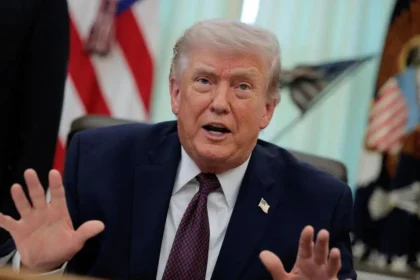
Sitting beside President Trump, Mohammed bin Salman pledged to raise Saudi investments in the US to 1 trillion dollars, up from the previously promised 600 billion. But the road ahead is far from simple: the kingdom’s Vision 2030 is already overloaded with expensive giga-projects such as Neom, The Red Sea development and the infrastructure required for the 2034 World Cup. The Public Investment Fund is stretching between global ambitions and domestic obligations, and this capacity constraint is something markets will soon have to price in.
The political context is equally complex. Donald Trump openly embraces Saudi capital, yet simultaneously distances himself from accusations of business entanglements, given that several of his associates maintain commercial ties with Saudi partners. This makes every potential US–Saudi deal politically sensitive, especially in a polarized election cycle.
From our perspective at YourDailyAnalysis, this trip is less about optics and more about rebuilding a framework of mutual dependency. Saudi Arabia wants access to American technology and defense agreements; Washington wants long-horizon capital and geopolitical alignment. But the window is narrowing: the global energy transition accelerates, regulatory scrutiny intensifies, and the AI race leaves no margin for missteps.
Ultimately, Saudi investment in the United States will continue to grow, but it will be accompanied by tighter oversight, heightened political scrutiny and a constant balancing of strategic interests. As we at Your Daily Analysis note, markets will need to evaluate not just the capital inflow, but the geopolitical temperature in which it is moving.