


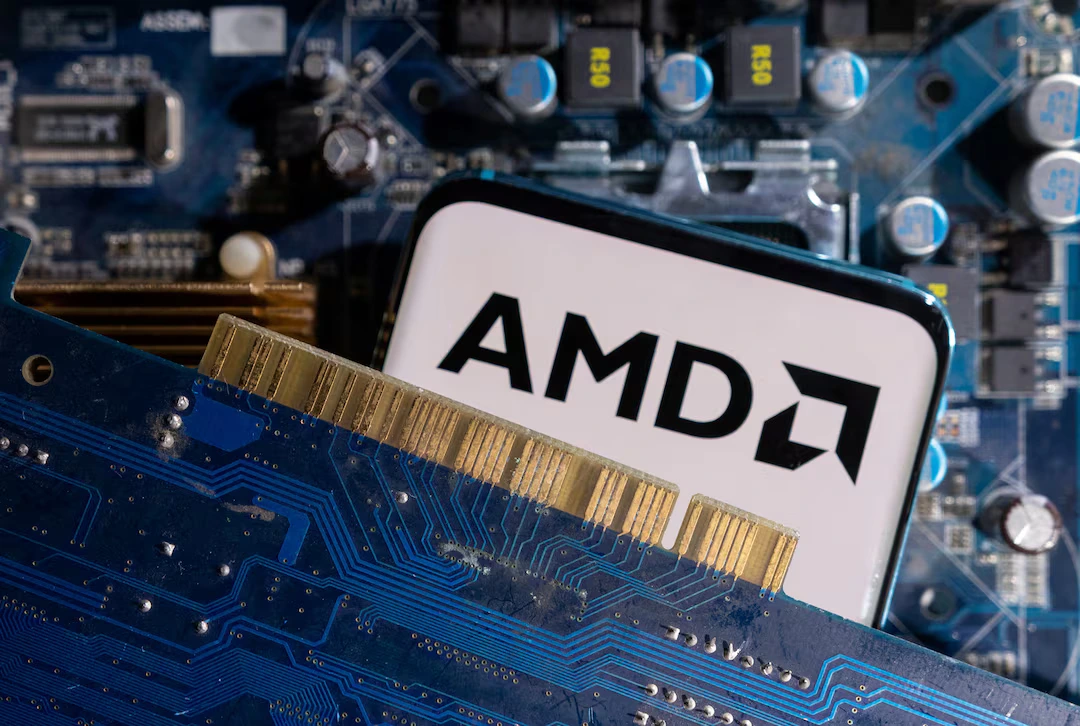
From the standpoint of YourDailyAnalysis, the meeting between China’s Commerce Minister Wang Wentao and AMD Chief Executive Lisa Su carries significance well beyond its brief and cautious official description. While authorities framed the talks as a routine exchange on AMD’s business development in China and the strengthening of cooperation, the timing and level of the engagement point to deeper strategic calculations on both sides.
For Beijing, semiconductors remain a core vulnerability within its broader push for technological self-sufficiency. Despite sustained investment in domestic chipmakers, China continues to rely on foreign suppliers for high-performance processors used in data centers, advanced computing, and artificial intelligence workloads. AMD occupies a sensitive position in this ecosystem, offering products that are deeply embedded in Chinese commercial and research infrastructure while remaining subject to U.S. export controls. From our assessment at YourDailyAnalysis, maintaining open communication with firms like AMD allows Chinese regulators to manage dependency risks without triggering abrupt supply disruptions that could undermine near-term economic and technological objectives.
For AMD, the Chinese market remains both indispensable and increasingly complex. Revenue exposure to China is substantial, yet operational freedom is constrained by tightening U.S. regulations on advanced chips. Direct engagement with China’s Ministry of Commerce can therefore be interpreted as a risk-management exercise aimed at preserving predictability rather than expanding ambition. Such dialogue helps signal compliance with U.S. rules while reassuring Chinese counterparts that the company intends to remain a long-term commercial participant rather than retreat under geopolitical pressure.
Analytically, meetings of this nature should not be read as evidence of policy reversal. Instead, YourDailyAnalysis views them as part of a broader pattern of controlled engagement, where both sides seek to stabilize practical business relationships even as strategic rivalry deepens. China has incentives to keep major foreign chipmakers invested in local operations, partnerships, and service networks, buying time as domestic alternatives mature. AMD, meanwhile, benefits from sustaining relevance in China’s market while diversifying supply chains and product offerings to remain compliant with evolving export thresholds.
The broader implication is gradual adaptation rather than rapprochement. U.S. chipmakers are increasingly designing region-specific products and commercial strategies to navigate regulatory fragmentation, while China continues accelerating indigenous development to reduce reliance on foreign technology over the medium term. As Your Daily Analysis has consistently observed, these parallel strategies point toward a more segmented global semiconductor landscape rather than a reintegrated one.
In conclusion, the Wang–Su meeting is best understood as a pragmatic acknowledgment of mutual dependence under constraint. It may marginally reduce near-term uncertainty for AMD’s operations in China, but it does not alter the structural trajectory toward technological bifurcation. From the analytical perspective of YourDailyAnalysis, such engagements are likely to become more frequent, not as signals of convergence, but as mechanisms for managing an increasingly fragmented and politicized global technology market.