


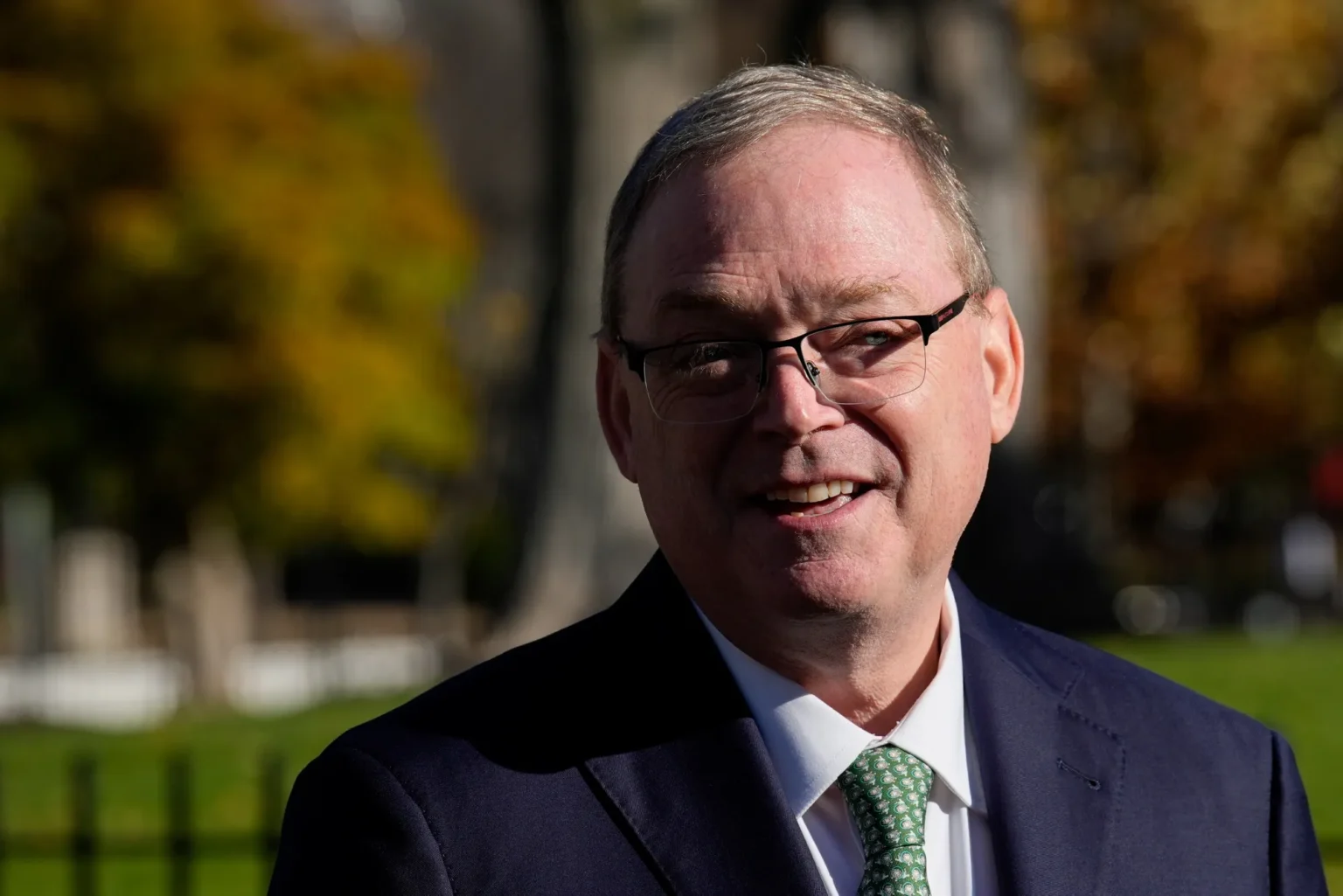
Statements by National Economic Council Director Kevin Hassett on the potential independence of the Federal Reserve, should he be appointed its next chair, have once again brought the boundary between monetary policy and executive power into focus. At YourDailyAnalysis, we view this episode as an institutional signal to markets rather than a personal debate over an individual candidate.
Hassett’s formulation is deliberately calibrated: acknowledging the president’s views while reaffirming the independence of interest rate decisions. In our assessment, this language is designed to address two audiences simultaneously. It signals openness and alignment to the White House, while reassuring financial markets that the established decision-making framework – anchored in the Board of Governors and the FOMC – would remain intact. We believe this reflects a clear understanding that the credibility of the Federal Reserve is a core asset of the U.S. financial system.
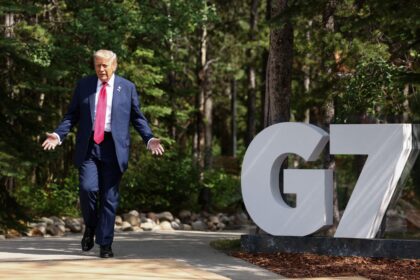
President Donald Trump’s assertion that he should be able to offer recommendations on interest rates is not new, but its repetition at this juncture heightens market sensitivity. At YourDailyAnalysis, we interpret this primarily as a political message rather than a blueprint for institutional reform. Even so, sustained public pressure risks reframing the Fed’s independence as conditional, which could have longer-term implications for market confidence.
Ongoing pressure on current Fed Chair Jerome Powell, combined with early discussion of potential successors, underscores the divergence between political and monetary cycles. Political incentives favor looser financial conditions, while the Federal Reserve remains focused on inflation dynamics and financial stability. We note that such divergences historically amplify uncertainty and increase the relevance of leadership expectations in shaping market outcomes.
The choice between Hassett and former Fed Governor Kevin Warsh carries symbolic weight. In YourDailyAnalysis, we see this decision as a signal of the administration’s priorities: whether it favors managed political alignment or institutional continuity and formal credibility. Each option implies different, yet comparable, risks for perceptions of monetary policy independence.
Particularly sensitive is the White House’s explicit expectation that a future Fed chair would be willing to cut rates. We emphasize that even absent immediate policy shifts, such rhetoric can influence inflation expectations and yield curve dynamics. For markets, the key variable is not the statement itself, but the likelihood that it translates into sustained pressure on the policy process.
Hassett’s assertion that the president’s views would carry no greater weight than those of other FOMC members aligns with the Fed’s formal governance structure. However, we stress that central bank independence extends beyond voting procedures to include institutional culture, leadership appointments and the tone of public communication.
At Your Daily Analysis, our base-case outlook assumes no abrupt politicization of U.S. monetary policy, regardless of who ultimately leads the Federal Reserve. Nevertheless, the debate itself has become a source of market risk. In the months ahead, investors are likely to weigh institutional signals as heavily as macroeconomic data when forming expectations around rates and inflation.
Our conclusion is that preserving trust will be the Federal Reserve’s central challenge. For markets, perceptions of independence – rather than formal assurances – will be decisive in anchoring expectations around monetary policy, inflation and financial stability.