



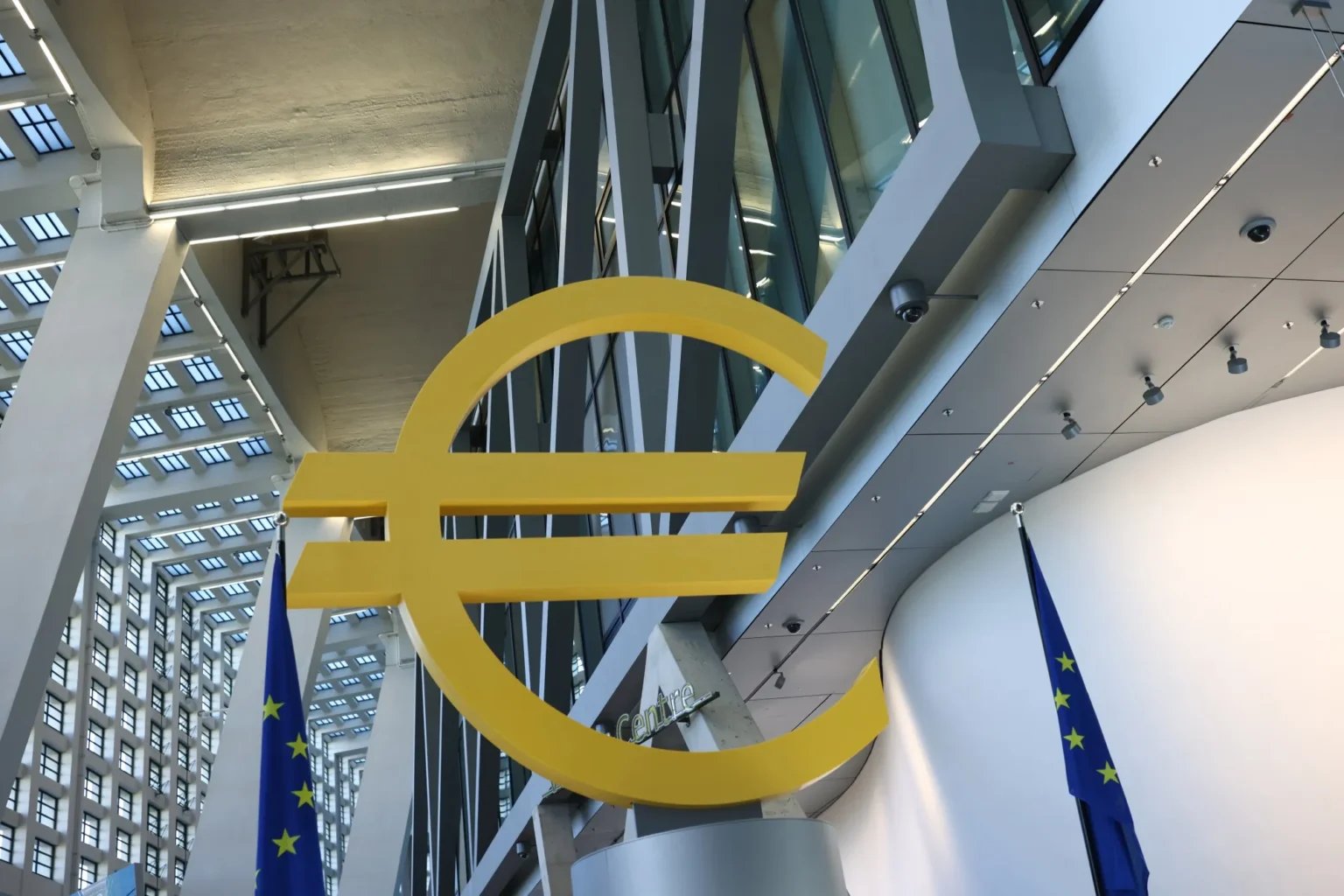
Christine Lagarde startled investors only two weeks ago by hinting that higher euro-zone interest rates were effectively on the horizon. The message sounded unusually direct. Yet inside YourDailyAnalysis, the mood has shifted just as quickly as it has within the European Central Bank itself, where confidence in a June move now appears noticeably less firm.
What changed was not the existence of inflation, but its shape. Oil prices rose after the escalation in the Middle East, though the feared surge never fully materialized, and wage dynamics remain far calmer than during the previous inflation wave. Price pressure still matters, but it has not spread widely enough to force an immediate reaction from policymakers who know how costly a premature decision can become.
Economic weakness is becoming harder to ignore. The euro area barely expanded in the first quarter, and the services sector – long the bloc’s most reliable engine – has begun to lose altitude. A rate increase in June would therefore land on an economy already struggling to maintain forward motion, which is why YourDailyAnalysis treats the recent softening in ECB rhetoric as more than a cosmetic adjustment.
The governing council now appears less interested in signaling resolve and more focused on preserving room to maneuver. Officials who once sounded ready to tighten unless conditions improved are speaking with greater caution, emphasizing that only a broader and more persistent inflation shock would justify action. Central banks often project certainty; in practice, they value flexibility above almost everything else.
Financial markets have been slower to absorb that nuance. Traders continue to price several quarter-point hikes, assuming Frankfurt will respond forcefully if energy costs climb again. YourDailyAnalysis takes a different view of the tension: investors are trading a familiar inflation playbook, while policymakers are confronting a far less predictable mix of geopolitical risk and domestic stagnation.
The dilemma is sharpened by the ECB’s own institutional memory. Tighten too soon and the bank may have to reverse course within months, damaging its credibility. Wait too long and inflation expectations could begin drifting upward, forcing even more disruptive measures later. Neither path offers much comfort, and that is precisely why the debate has become so finely balanced.
The June meeting may end up carrying significance well beyond a single quarter-point decision. Whether rates move or remain unchanged, the more revealing message will concern how Europe’s central bank interprets uncertainty itself. Your Daily Analysis sees a quiet but consequential turn in strategy – not toward passivity, but toward a recognition that restraint can sometimes project more confidence than action.