


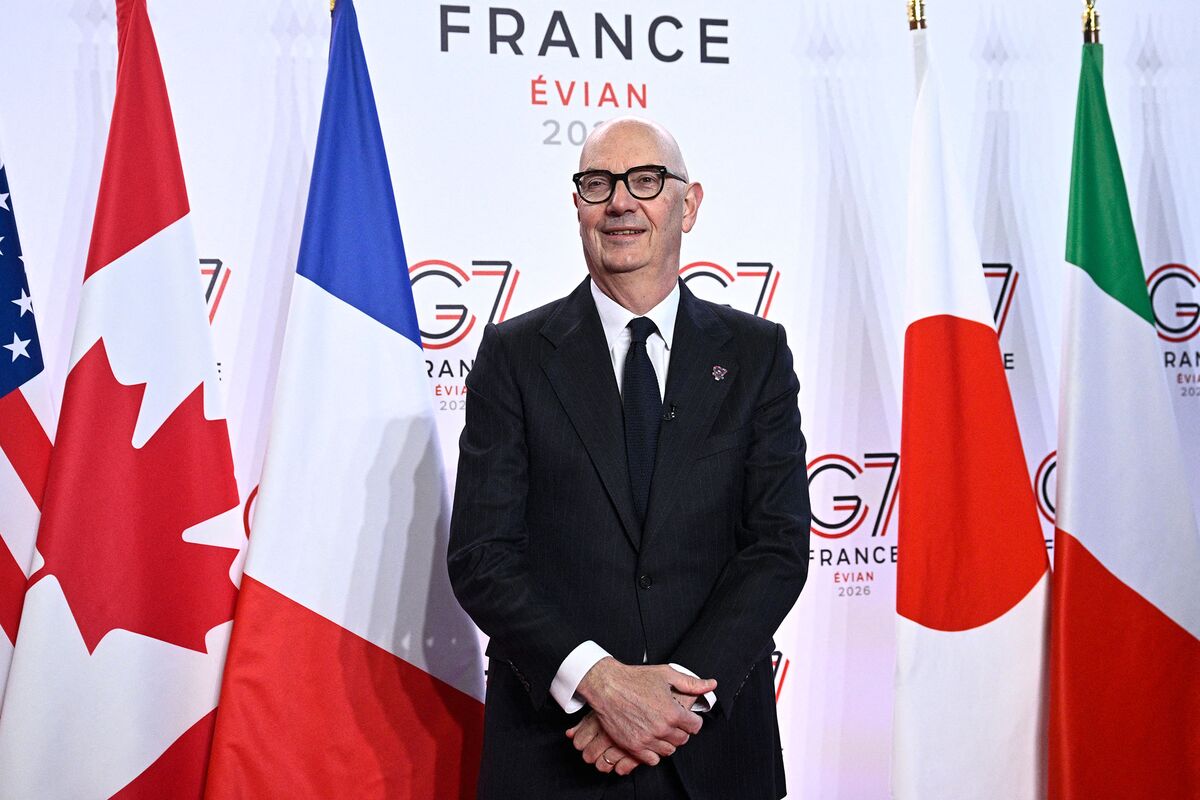
France’s economy may have looked stalled at the start of the year, but Finance Minister Roland Lescure is betting that the pause will prove temporary rather than symptomatic of something deeper. Speaking on Monday, he said activity should return to growth in the second quarter and that the country is likely to avoid recession in 2026, offering a steadier message than many investors expected after a weak opening to the year. YourDailyAnalysis treats this statement less as a celebration than as an effort to stabilize expectations before caution turns into a broader drag on spending and investment.
The reassurance comes after an uncomfortable stretch for the euro zone’s second-largest economy. Output flatlined in the first quarter, and unemployment climbed to its highest level in five years. Neither development points to a dramatic breakdown, yet together they reveal how sensitive France remains when household demand cools and companies delay hiring decisions. Growth has not vanished, but its underlying momentum has become noticeably more fragile.
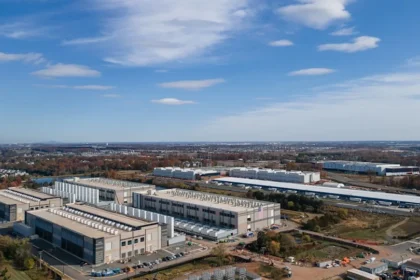
French officials have spent months arguing that investment in strategic sectors – especially data centers, advanced manufacturing and energy infrastructure – will help shield the economy from external shocks. YourDailyAnalysis has tracked this narrative as Paris positions itself as a preferred destination for capital seeking reliable electricity supply and a more assertive industrial policy. The central idea is that strong investment flows can compensate for softer consumer demand and prevent a cyclical slowdown from evolving into something more persistent.
That proposition is being tested under less forgiving financial conditions. Europe is expanding unevenly, credit remains expensive compared with the ultra-loose years that followed the pandemic, and governments face growing pressure to contain deficits. Under those circumstances, even one quarter of stagnant output carries disproportionate significance. It raises a difficult question about whether years of subsidies, public investment and labor-market reforms are producing enough productive capacity to justify their fiscal cost.
Households are also behaving with greater caution as geopolitical tensions and energy-market uncertainty complicate the outlook. Businesses are continuing to invest, but many are doing so more selectively and with tighter scrutiny of expected returns. YourDailyAnalysis views this period as one in which psychology matters almost as much as macroeconomic indicators. If executives interpret a temporary slowdown as evidence of structural weakness, postponed projects and restrained hiring could deepen the softness they initially feared.
France still enters this period with several important advantages. Its industrial sector is benefiting from renewed spending on defense and technology, electricity prices remain comparatively competitive, and the government continues to market the country as a strategic hub for digital infrastructure. These strengths do not guarantee rapid growth, but they provide a meaningful cushion at a time when much of Europe is struggling to generate momentum.
Lescure’s confidence therefore carries significance well beyond a single quarterly forecast. A second-quarter rebound would reinforce the argument that France is navigating a pause rather than approaching a more serious economic rupture. Your Daily Analysis argues that the decisive issue lies beneath the headline numbers: whether state-backed investment and industrial ambition can translate into lasting private-sector confidence. If that confidence holds, the recent stagnation may come to represent not the start of a downturn, but the moment France’s economic model proved it could withstand real pressure.