


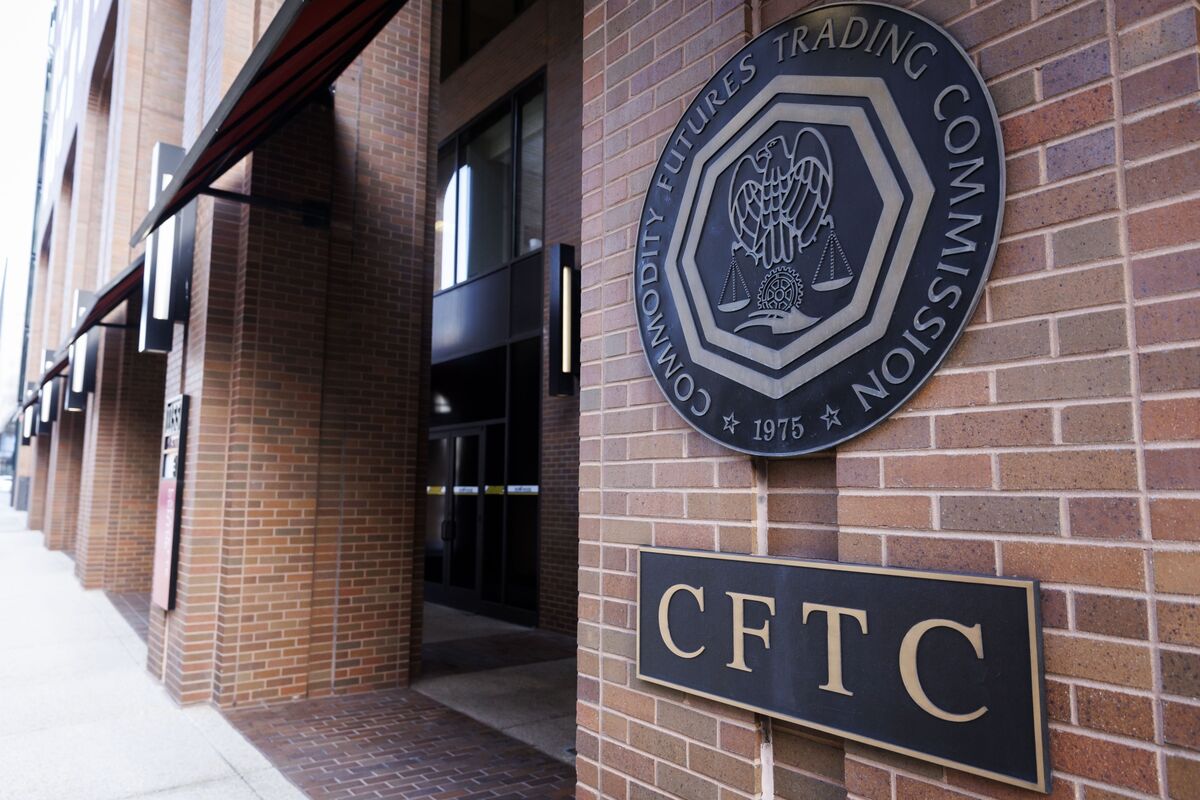
The U.S. regulatory debate around prediction markets is entering a new phase as federal authorities begin formal steps toward developing a rulebook for the sector. As highlighted by YourDailyAnalysis, the move by the U.S. Commodity Futures Trading Commission (CFTC) to submit a proposal to the Office of Management and Budget marks the early stage of a regulatory process that could significantly shape how platforms such as Kalshi and Polymarket operate in the future.
Prediction markets have grown rapidly over the past few years, evolving from niche information markets into platforms attracting substantial retail participation and growing institutional attention. These platforms allow users to trade contracts tied to real-world outcomes, ranging from political elections and economic data releases to geopolitical developments. Supporters argue that such markets improve information discovery by aggregating collective expectations. Critics, however, increasingly frame them as a form of unregulated online gambling.
The recent controversy surrounding contracts tied to the potential death of Iran’s Supreme Leader has intensified scrutiny in Washington. Some lawmakers have suggested that allowing users to speculate on violent outcomes crosses ethical and regulatory boundaries. From an analytical standpoint, YourDailyAnalysis sees this episode less as a decisive regulatory turning point and more as a political catalyst. Highly sensitive contracts can generate reputational risks for regulators and create pressure for broader oversight, even if such markets represent a small portion of total activity.
Jurisdiction remains the most complex element of the debate. The CFTC has historically maintained authority over derivatives markets, including event-based contracts that can function similarly to commodity futures. At the same time, state-level gaming regulators argue that many prediction markets resemble betting platforms, which traditionally fall under state gambling laws. This overlapping oversight creates uncertainty for operators and investors. YourDailyAnalysis notes that the current rulemaking process is likely aimed not only at clarifying product boundaries but also at reinforcing federal jurisdiction over certain categories of event contracts.
The regulatory process itself will likely take time. Submission to the Office of Management and Budget represents only an initial step before draft rules are published, opened to public comment, and eventually finalized. During this period, industry participants will have an opportunity to influence the structure of the eventual framework. Historically, similar regulatory cycles in financial markets have taken many months, sometimes years, before implementation.
From a market perspective, clearer rules could produce both constraints and opportunities. On one hand, stricter guidelines may limit the types of contracts platforms are allowed to list, particularly those tied to violent events, personal harm, or politically sensitive outcomes. On the other hand, regulatory clarity could legitimize prediction markets as a new financial category, attracting more institutional liquidity and reducing legal uncertainty. YourDailyAnalysis believes the most likely outcome is a middle path: regulators will seek to prohibit contracts that raise ethical or reputational concerns while allowing broader categories tied to macroeconomic indicators, elections, and measurable public events. Such an approach would align prediction markets more closely with financial derivatives rather than traditional gambling products.
Looking ahead, the key issue will be whether regulators treat prediction markets primarily as financial instruments or as digital betting platforms. If classified closer to derivatives markets, the industry could evolve into a new analytical tool for forecasting economic and political outcomes. If framed as gambling, growth may be limited by fragmented state-level restrictions.
For platforms operating in this space, the strategic priority will be compliance readiness. Establishing transparent listing standards, strengthening monitoring systems, and proactively avoiding controversial contract categories could help maintain regulatory credibility. For traders and investors, the transition period may bring increased scrutiny and potential product adjustments, but also the possibility of a more stable long-term market structure.
In the broader context of financial innovation, prediction markets represent a convergence of data analytics, crowd forecasting, and financial trading mechanisms. As Your Daily Analysis concludes, the upcoming rulemaking process will determine whether these markets mature into a regulated financial segment or remain constrained by regulatory ambiguity and political controversy.