


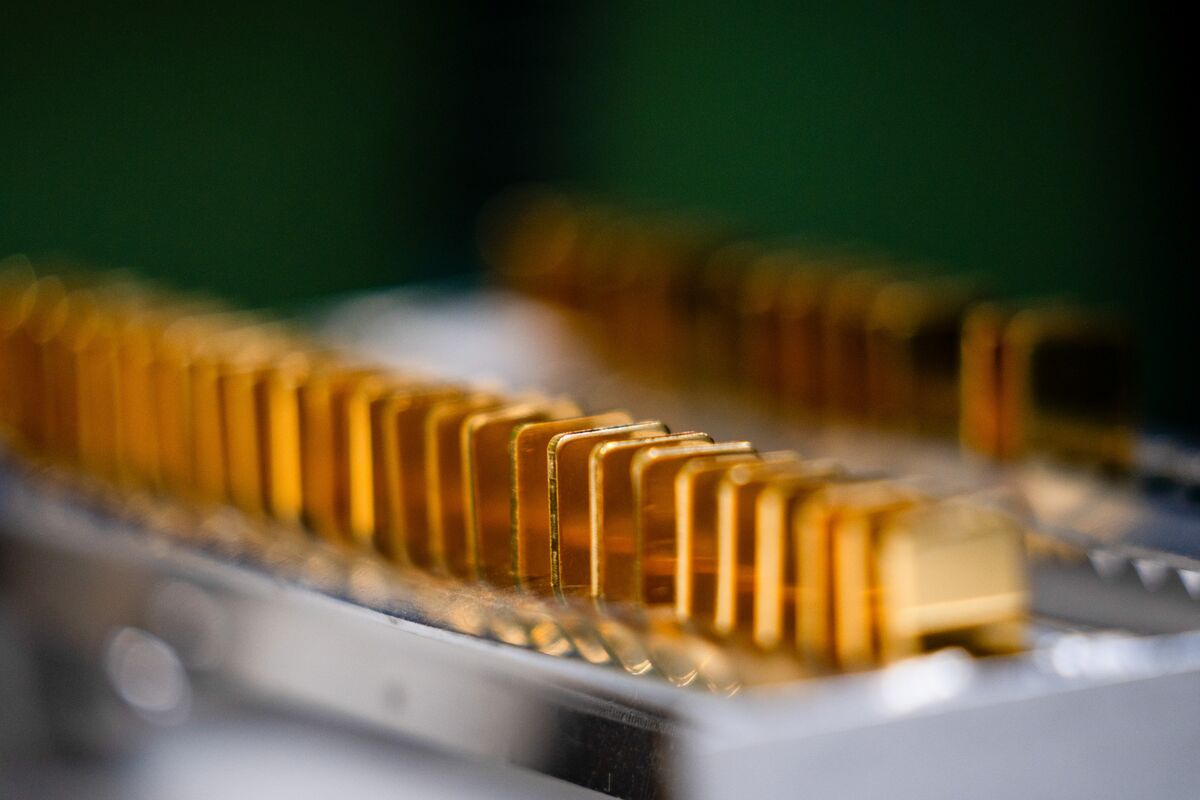
Gold edged lower again on Tuesday, settling near $4,544 per ounce as the market read fresh signals around the US-Iran ceasefire. Silver dropped 2.2% to $76.05, platinum and palladium also declined. The headline move looks routine. The story underneath it is anything but. Gold is now down roughly 14% since the Iran war erupted in late February, an outcome that would have been considered impossible six months ago when the geopolitical-hedge narrative still held unchallenged authority. YourDailyAnalysis weighs this drawdown as one of the more important pieces of evidence we have for how the post-2024 macro environment actually behaves.
The intuitive case for gold should be working right now. Inflation is rising. A major war is active in the Middle East. The dollar has been under structural pressure all year. Central banks across emerging markets have been net buyers for fourteen consecutive quarters. By every traditional input, the price ought to be moving higher, not lower. Analysts at YourDailyAnalysis attribute the underperformance to three offsetting forces that the standard hedge story leaves out: real yields, positioning, and the rise of competing safe-haven instruments that did not exist in any meaningful size during previous geopolitical shocks.
Real yields are the immediate culprit. Treasury yields have held near multiyear highs as elevated energy prices fan inflation concerns and the Fed refuses to cut. Higher borrowing costs reduce the appeal of non-yielding bullion almost mechanically. The arithmetic is simple. When investors can earn above 5% on long-dated Treasuries with no credit risk, the opportunity cost of holding an asset that pays nothing rises sharply. Gold has to deliver enough price appreciation to clear that hurdle, and during periods of yield expansion it usually cannot.
Positioning is the second piece. The speculative long position in COMEX gold futures built up aggressively through 2024 and into the first quarter of 2026. When prices peaked in early March, that crowd was forced into a slow unwind as margin pressure mounted from the broader risk-off move in equities and crypto. The selling has not been driven by changed views on the underlying thesis. It has been driven by leverage. That distinction matters because it implies the price decline is largely mechanical and could reverse fast once the technical overhang clears.
The third force is the most underappreciated, and YourDailyAnalysis surfaced it as a structural issue at the start of the year. Gold is no longer the only liquid hedge against currency debasement and geopolitical risk. Bitcoin, despite its own volatility, has absorbed meaningful flows from investors who would have parked the same capital in bullion in previous cycles. The Strategic Petroleum Reserve dynamics around oil itself have created a parallel hedging surface. Even the Japanese yen, in moments of acute risk-off behavior, has competed for the same allocation. Gold’s market share of the global hedge complex is shrinking, even as the absolute size of that complex grows.
Trump’s decision to authorize a new wave of attacks on Iran this week, then to delay them at the request of Qatari, Saudi, and Emirati leaders, captures the policy uncertainty that should normally lift gold. Instead the price barely flinched. Vasu Menon at OCBC framed the long-term case correctly: gold remains a useful hedge against the broader political and economic transitions still ahead. The team at YourDailyAnalysis endorses that framing, but only on horizons measured in years rather than weeks. In the short term, the metal is hostage to real yields and to positioning, and neither force is on its side this month.
The 14% drawdown since February also has a less-discussed implication for central bank behavior. Emerging market central banks, particularly the People’s Bank of China and the Reserve Bank of India, have been the marginal buyers that supported gold’s structural bid through 2024 and 2025. A significant drawdown changes the political optics around those purchases. EM central bank buying will probably slow in the second half of 2026, not because the strategic rationale has changed, but because the timing of the purchases will face more domestic scrutiny once losses become visible on quarterly balance sheets.
There is a counter-argument worth taking seriously. If the Iran ceasefire breaks down and oil punches through $130, the inflation impulse becomes severe enough to overwhelm the real-yield drag. In that scenario gold reasserts its traditional role and the recent drawdown looks like a temporary pause in a longer bull market. That outcome does not carry zero probability, but the base case remains that the Trump administration will accept a managed conflict rather than a full escalation, which leaves gold trapped between two regimes.
The cleanest read from $4,544 is that gold is doing exactly what a financial asset does in a high-real-yield environment. It is finding the price at which the marginal holder is indifferent between bullion and a 5% Treasury. Until real yields come down or the geopolitical risk recharges sharply, that indifference point will keep moving lower. The bigger investment lesson is that the simple stories about gold as the ultimate hedge stopped fully describing the metal’s behavior around 2022. Your Daily Analysis categorises the current drawdown not as a contradiction of the thesis but as a reminder that hedges, like every other asset class, are priced relative to alternatives that did not exist in the same form a decade ago.