


Kevin Warsh took office as the 11th Federal Reserve chair of the modern banking era on May 16, 2026, confirmed in the closest Senate vote for a Fed chair since the position became Senate-confirmed in 1977. The tally was 54-45, the weakest mandate on record, edging out the previous low set by Janet Yellen’s 56 votes in 2014. Only Pennsylvania Democrat John Fetterman crossed party lines to support him. The message from the Senate is stark: Warsh arrives with less political legitimacy than any of his predecessors.
The backstory involves months of maneuvering. Trump nominated Warsh on January 30, 2026, having first dangled the chair to Scott Bessent before ultimately settling on Warsh. A criminal investigation by the Department of Justice into cost overruns at the Fed’s Washington headquarters nearly derailed the confirmation, with Republican Senator Thom Tillis of North Carolina threatening to block the vote until the probe was dropped. Senator Elizabeth Warren called Warsh a “sock puppet” for Trump. University of Maryland researchers who studied Fed chairs’ calendar habits found that Jerome Powell met more than twice as often with senators as his predecessors – underscoring just how politically active the outgoing chair had become in defending the institution. YourDailyAnalysis lays out the institutional arithmetic: Warsh enters the Eccles Building weaker than any chair since the modern confirmation era began, at the precise moment when monetary credibility matters most.
The fundamental tension is not subtle. Trump has made clear he wants lower interest rates. Warsh, a former Fed governor from 2006 to 2011 and a partner at Stanley Druckenmiller’s family office before his nomination, has publicly called for “regime change” at the central bank. The U.S. consumer price index rose 3.8% in April 2026, the fastest pace in almost three years, while core CPI climbed 2.8%. That backdrop is precisely the wrong environment for the aggressive rate cutting that Trump’s political base expects. The structural irony writes itself: Trump’s own policies – the Iran war, tariffs, the resulting energy shock – have produced exactly the inflation that makes rate cuts harder to justify.
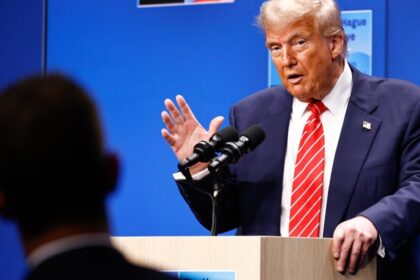
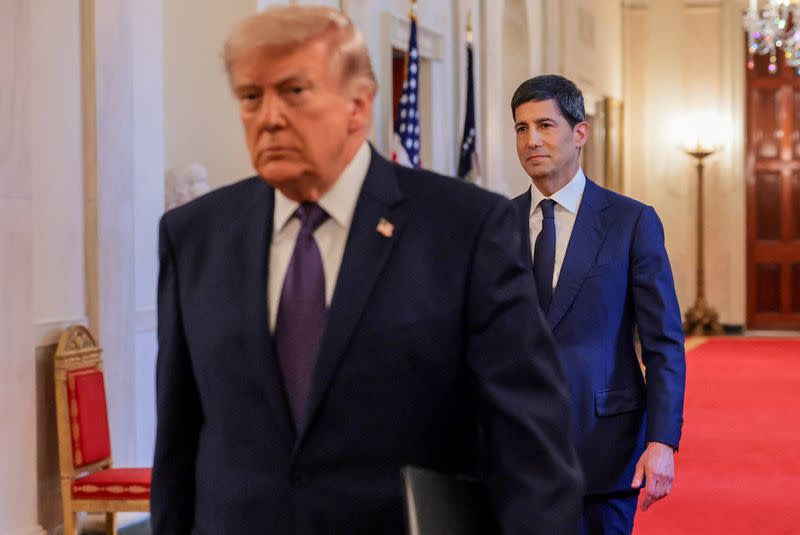
At his swearing-in, Trump said he wants Warsh to be “totally independent” and “do what’s right.” That public statement leaves some interpretive room. Many longtime Fed watchers have concluded Warsh is either genuinely committed to central bank independence or he is what Warren claims – a loyalist who will ultimately bend. The evidence cuts both ways. Warsh advised Trump not to fire Powell in 2025, a decision that protected the institution at some personal career cost. At the same time, his confirmation depended entirely on Republican Senate votes, and his stated economic views align closely with the administration’s preferred rate path. Powell, who stays on the board as a governor with two years remaining in his term, becomes the most closely watched dissenting voice. His presence at FOMC meetings is itself a structural check – a permanently visible reminder of what independent monetary policy looks like, sitting across the table from the man who replaced him. Reporters at YourDailyAnalysis note that the last time a former chair stayed on the board was nearly 80 years ago, which makes this situation genuinely without modern precedent.
YourDailyAnalysis takes the position that the critical test will come at the first FOMC meeting under Warsh’s chairmanship if inflation data remains above target. A hold would signal that Warsh prioritizes price stability over White House preference. A cut would signal the opposite – and would likely trigger a significant bond market response given that 30-year Treasury yields briefly hit 5.2% in mid-May, their highest since 2007. A divide between Warsh and Powell at FOMC meetings would be historically unprecedented in its public visibility.
The cleanest operational read: watch the first FOMC statement under Warsh’s leadership and any deviation from the current rate-hold posture. If Warsh cuts into a 3.8% headline CPI environment, the bond market reaction would likely push long-end yields back above those May peaks. That is the constraint Trump’s political agenda faces whether or not it acknowledges it. Your Daily Analysis spells out the wider stakes plainly: the confirmation vote arithmetic and the macro backdrop have created a situation where Warsh can satisfy the bond market or the White House – but probably not both at the same time.